The ADAM at a glance
- Jun 1983
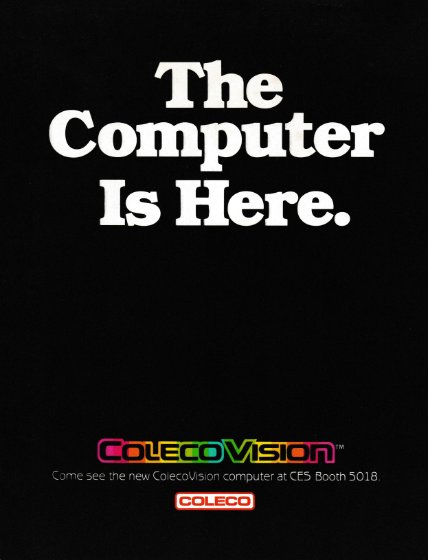
Unveiled at Summer CES
Coleco shows the ADAM in Chicago at about $600, or $400 as an add-on for ColecoVision owners.
- Sep–Oct 1983
Shipping dates slip
Four promised ship dates are missed; the price creeps up.
- Oct 1983
First machines reach stores
The stand-alone ADAM lists at about $725 (store prices vary). Roughly 95,000 ship by December.
- Apr 1984
Byte review
Four units fail on a reviewer in two months and tells readers to wait.
- Summer 1984
Revisions and the scholarship
Later production fixes many faults, and buyers are offered a $500 college scholarship.
- Jan 1985
Coleco ends the ADAM
On January 2, just before Winter CES, Coleco announces it is leaving the computer business.
- 1988
Coleco files for Chapter 11
Computer losses and later toy problems take their toll.
A bold debut at Summer CES
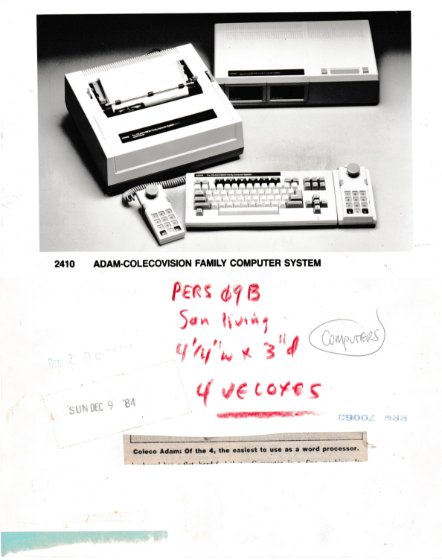
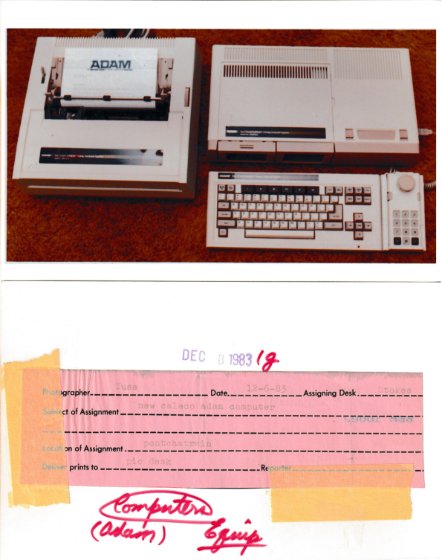
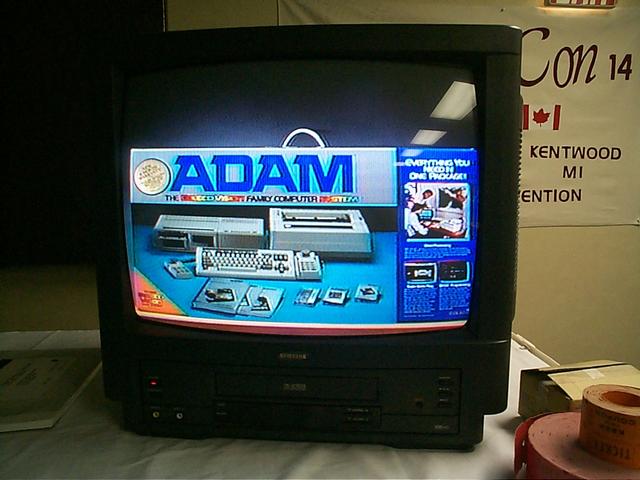
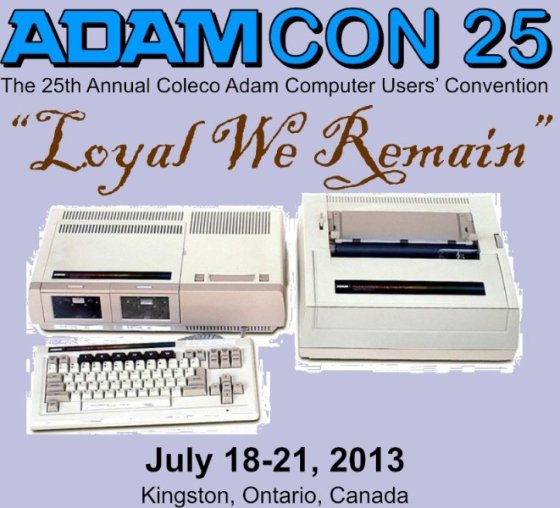
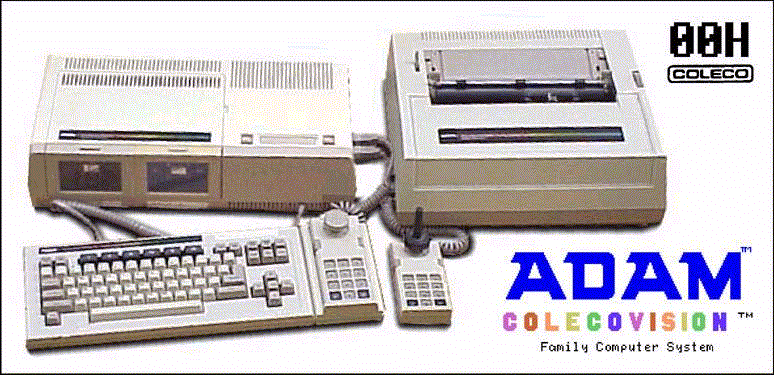
Coleco revealed the ADAM at the Summer Consumer Electronics Show in Chicago in June 1983. The idea was simple and very ambitious. A family would buy one box and get everything it needed: a Z80-based computer, a full-size keyboard, a high-speed tape drive, a daisy-wheel printer and a built-in word processor, all for about the price of a bare computer from a rival. An early preview in Byte compared its possible impact to the Osborne 1, the machine that had made the "bundled" computer famous.
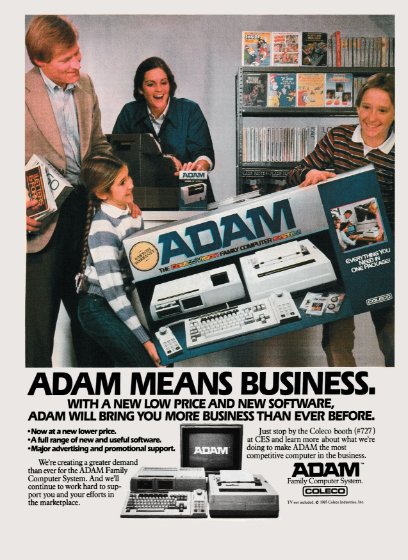
Most show-floor reports put the complete ADAM at about $600 (Byte printed $599; some later accounts quote $525 or $700), and ColecoVision owners could add the computer module for $400. That was well under the cost of a comparable system from IBM, Apple or Commodore once a printer and storage were added, and executives talked openly about selling hundreds of thousands of units before Christmas 1983.
Two ways to join the family
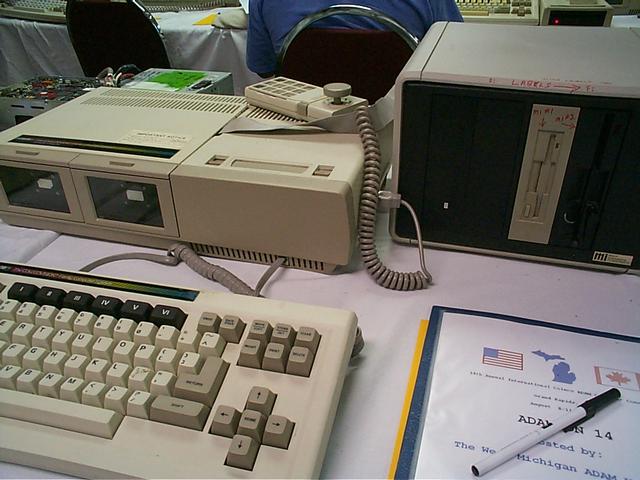
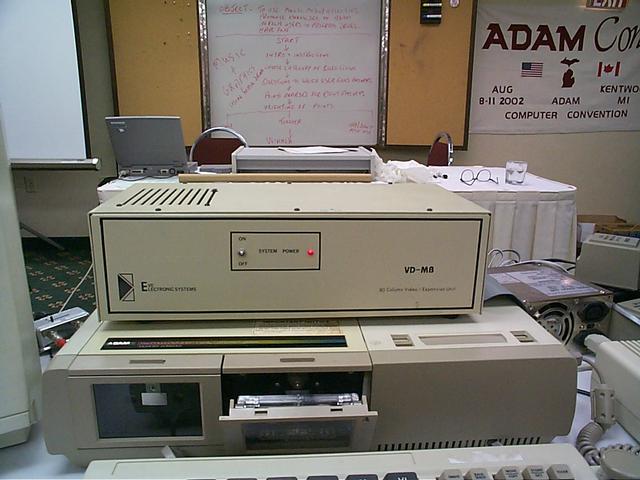
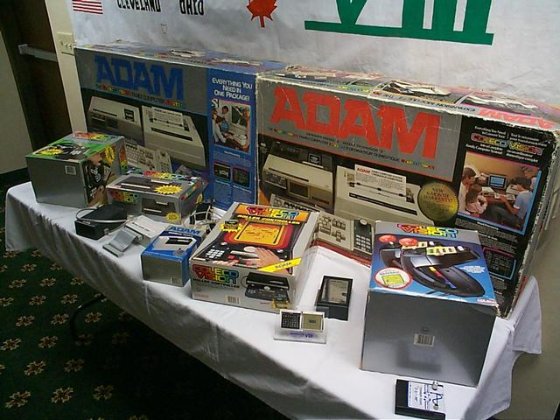
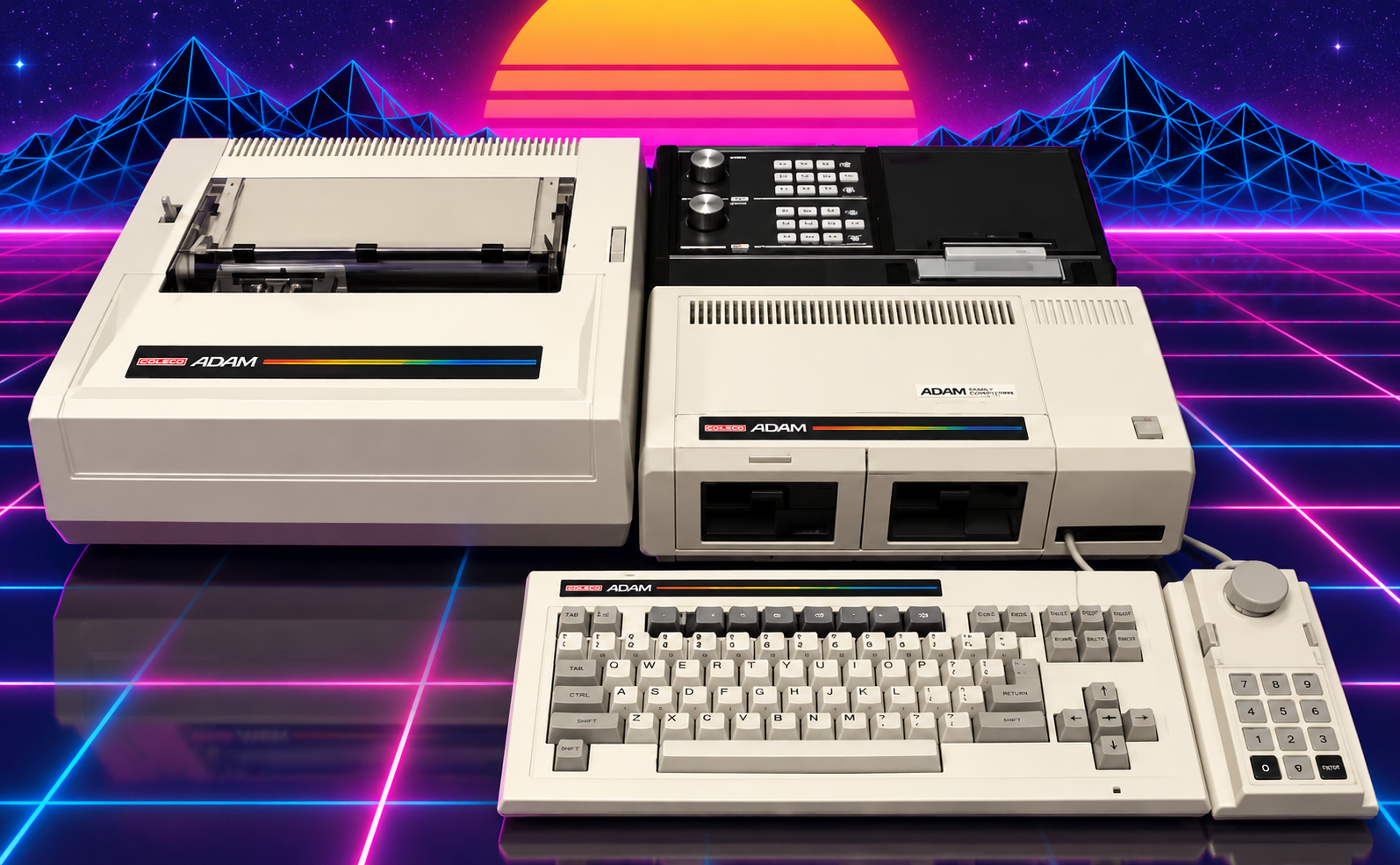
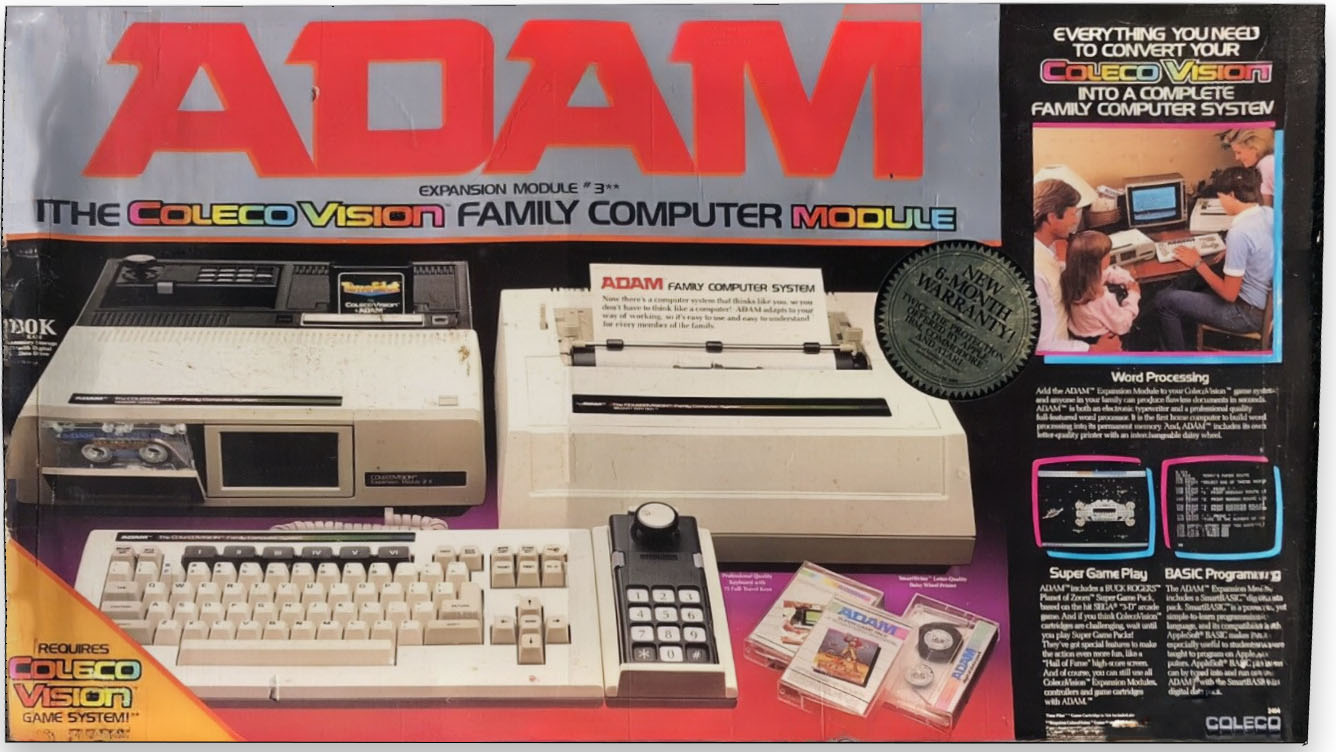
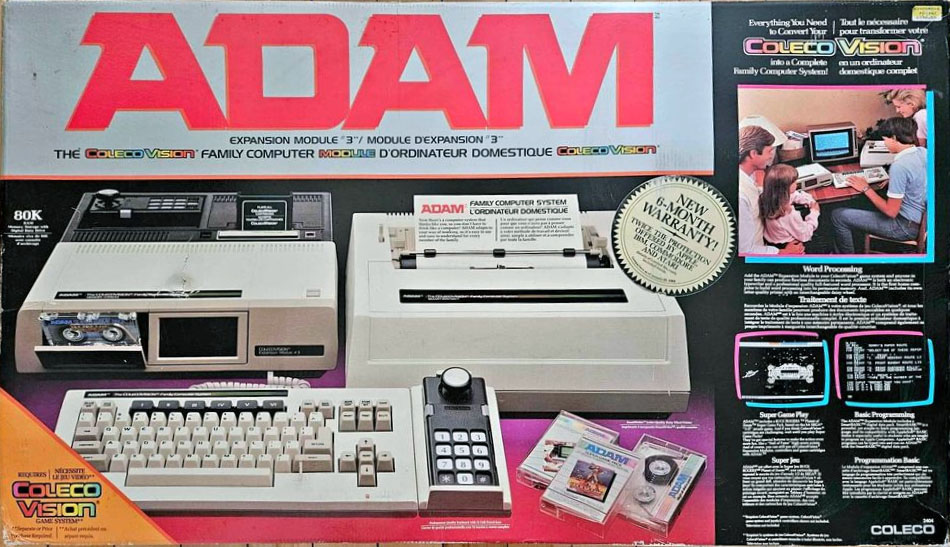
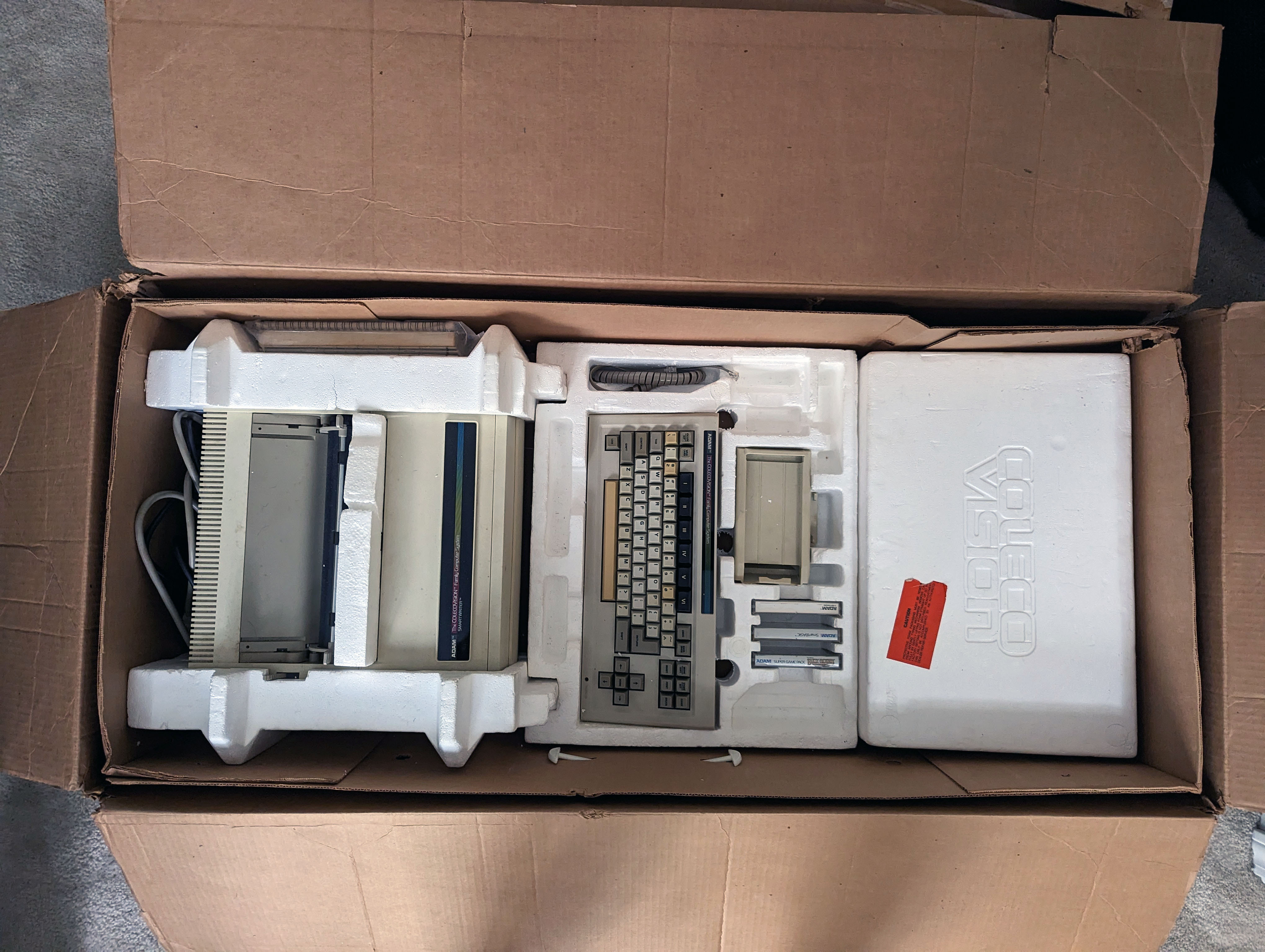
ColecoVision owners did not have to buy a whole new machine. Coleco sold the ADAM as Expansion Module #3, which plugged into the console's front expansion port and used the ColecoVision's own processor, video and sound hardware. It came with the same keyboard, tape drive and printer as the stand-alone model, which had all of its electronics in its own memory console. Either way, every ADAM could play the existing library of ColecoVision cartridges. The Hardware page compares the two side by side.
Missed dates and a rising price
Production did not keep up with the promises. Shipping targets of 1 September, mid-September, 1 October and mid-October 1983 all slipped. Meanwhile the retail price climbed, and by the time machines reached stores the stand-alone ADAM sold for about $725 in the US (about CAD $999 in Canada). Reports say demonstration units at shows were partly hand-built, and some had non-working tape drives hidden behind tinted panels.
Machines finally began trickling out in October 1983. Coleco had talked of up to half a million units for the holiday season; about 95,000 actually shipped by December. Kmart and J.C. Penney both stepped back from selling it during the 1983 Christmas season, and Coleco could fill only about a third of its Canadian holiday orders.
Quality problems
The machines that did ship soon had a reputation problem. The best-known flaw was a burst of electromagnetic energy at power-on that could corrupt or erase a Digital Data Pack left in a drive. Collectors often say some early documentation made this worse by giving the wrong advice about when to insert tapes, though that is hard to confirm.
The design had other weaknesses. The power supply was inside the SmartPrinter, so a dead printer meant a dead computer. Tapes could stretch or unwind. Byte's April 1984 review became famous: four units failed on the reviewer in two months (only the keyboard never did), he was waiting for a fifth, and he advised readers to wait.
Return rates are disputed. Coleco said fewer than 10 percent of units were defective (Arnold Greenberg, December 1983), while some retailers reported far worse. To support customers, Coleco set up a nationwide repair network with Honeywell Information Systems.
Fighting back: revisions and the scholarship offer
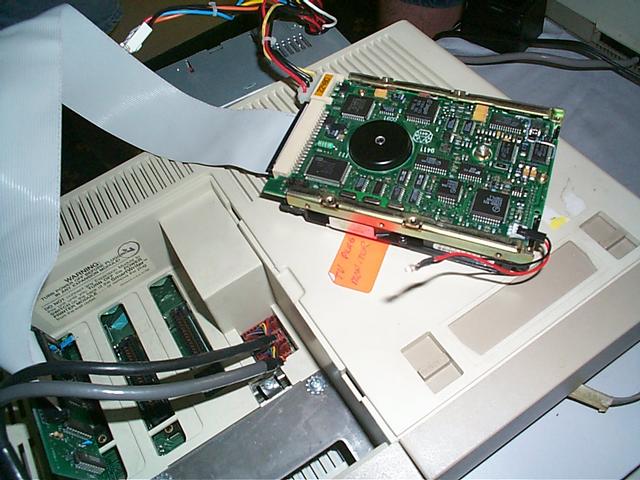
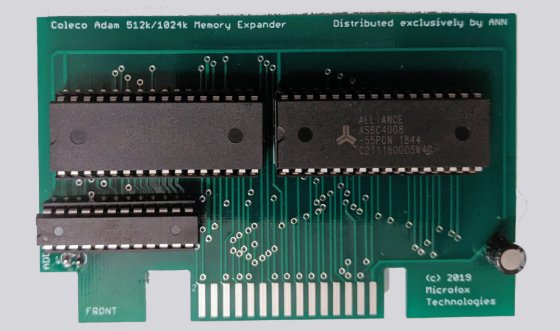
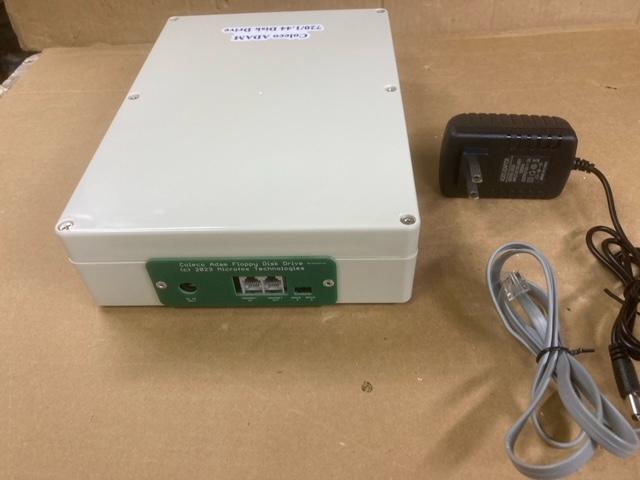
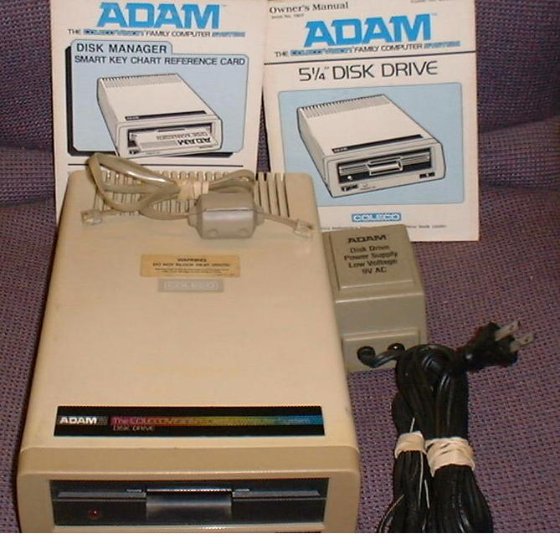
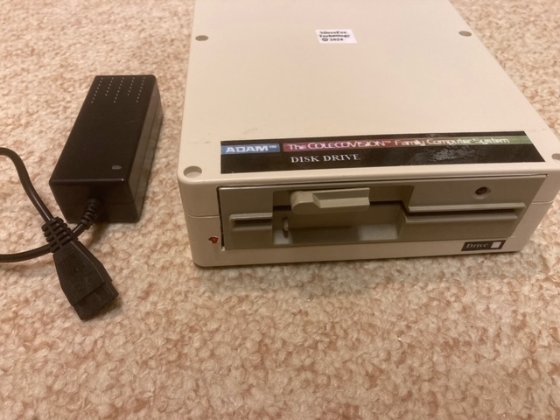
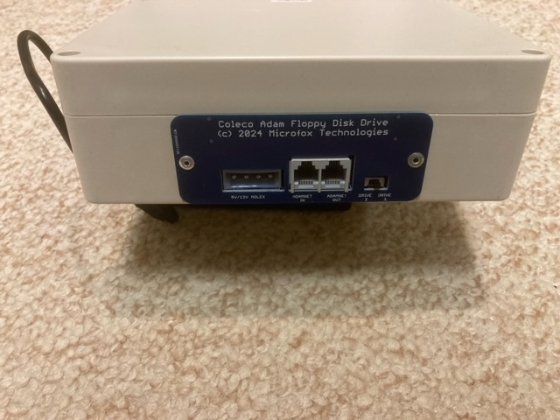
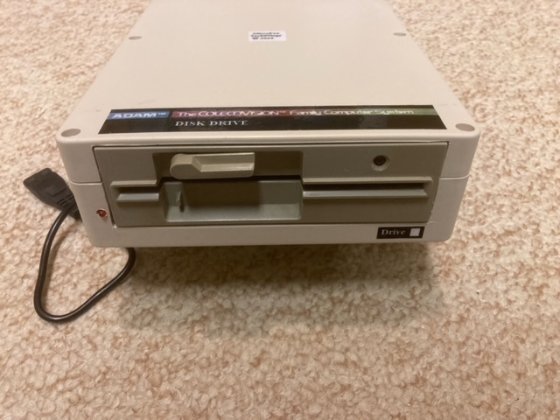
Coleco kept working on the ADAM through 1984. Later production fixed many early faults, and the company added peripherals such as a 5.25-inch disk drive and a 64K memory expander, plus more software, including CP/M and the Super Game data packs (see Peripherals and Software).
The most memorable push came in the second half of 1984: buyers of a new ADAM were promised a $500 college scholarship for a child, backed by TV and print ads with a graduation-cap theme. It was reportedly paid in installments of $125 for each completed year of college. Unused certificates still turn up in collections of Coleco paperwork; how many were ever claimed is unknown.
The end of the line
None of this was enough. Coleco later revealed a loss of about $35 million in late 1983, the months of the ADAM launch (reports differ on the exact quarter), and it kept losing money on computers through 1984. On January 2, 1985, days before the Winter CES in Las Vegas, the company announced it was ending the ADAM and selling the remaining stock to a retail chain. Coleco said it would refocus on toys (its Cabbage Patch Kids were earning hundreds of millions of dollars) and that the ColecoVision line would continue.
Lifetime ADAM sales are uncertain, with estimates from under 100,000 to about 350,000 units. The losses, together with later toy-line problems, weakened Coleco, and the company filed for Chapter 11 bankruptcy in 1988.
Why it still matters
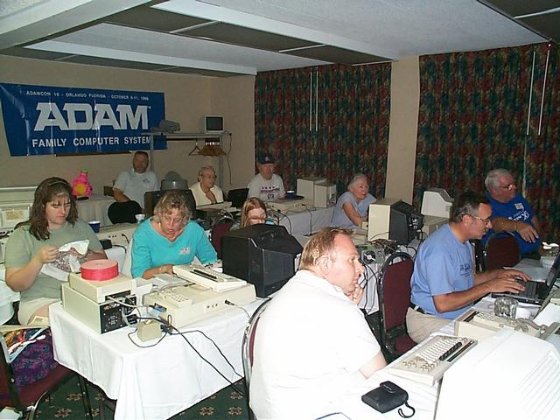
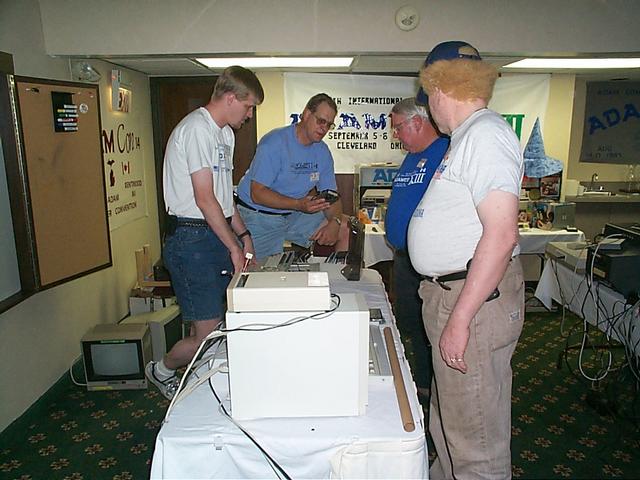
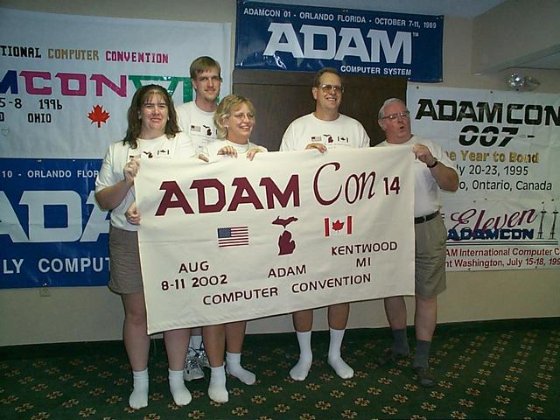
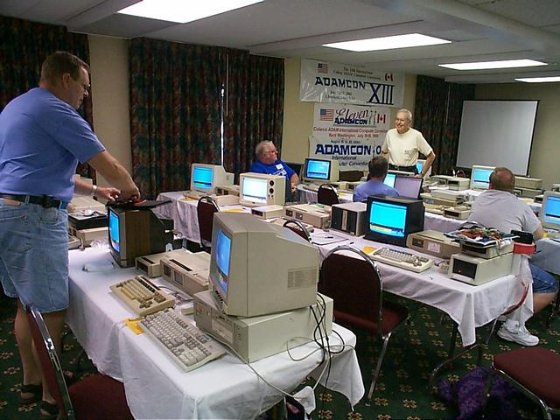
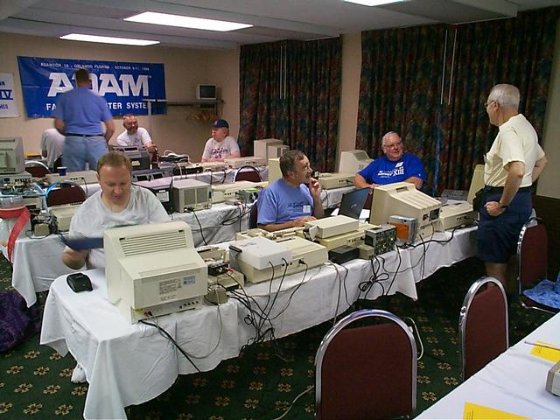
Today the ADAM is often listed among the great computer flops. Collectors see more in it than that: an early all-in-one family computer with a letter-quality printer in the box, a very good keyboard, a clever networked design and full compatibility with one of the best game consoles of its day. Those strengths are why a dedicated community has kept it running for four decades (see Community Today).
The boxes
Pick a view.
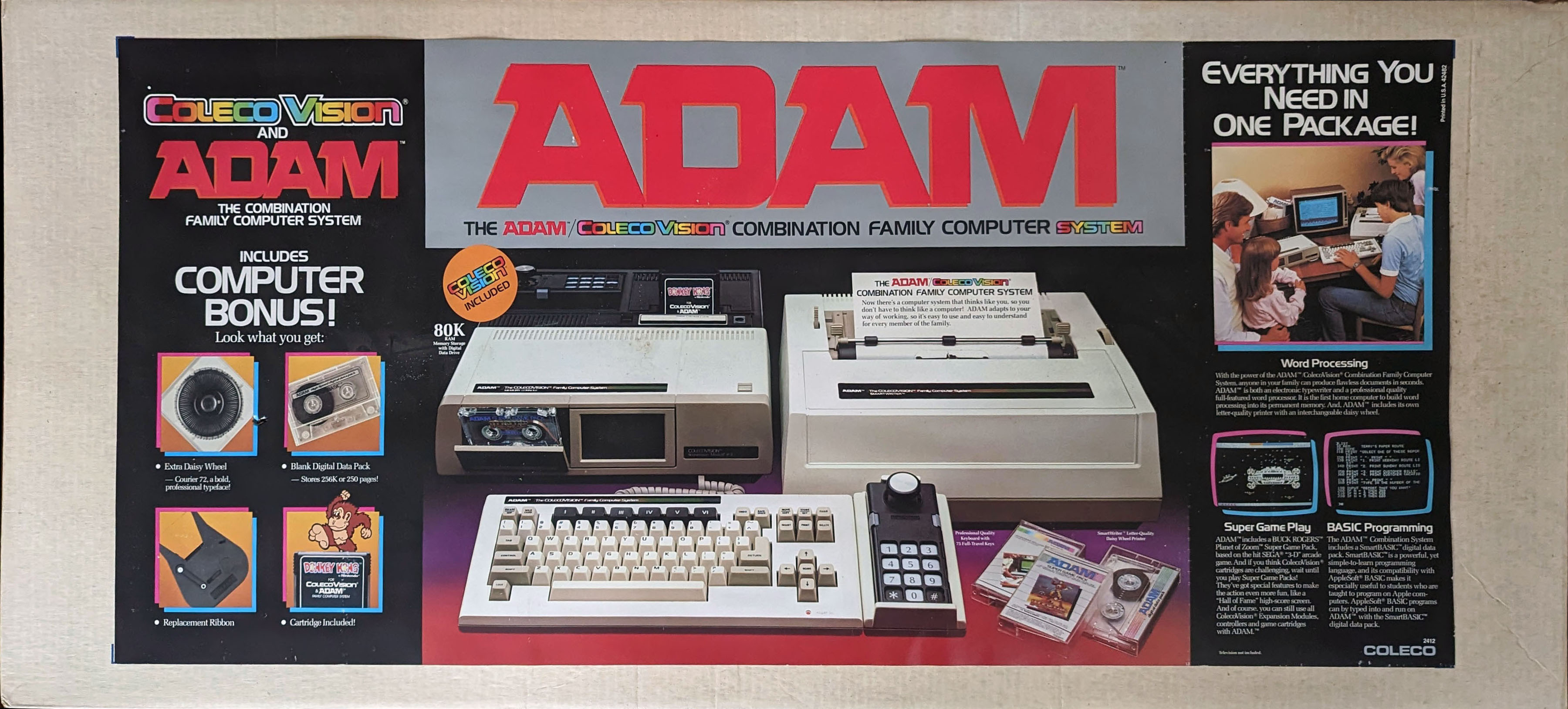
Track the ones you own in your collection.
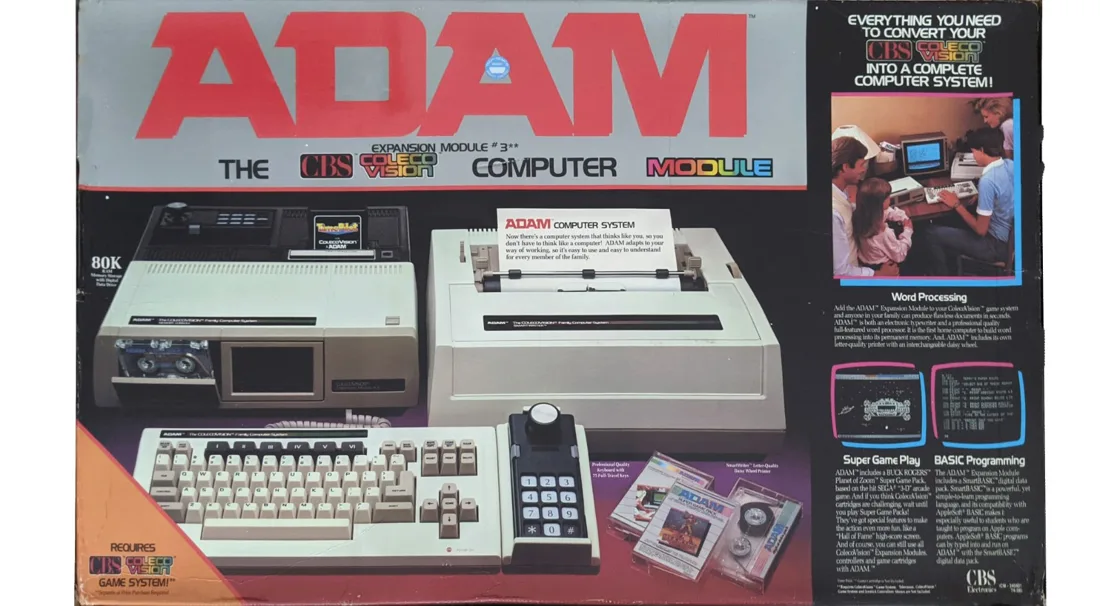 Expansion Module #3