
ADAM Computer System
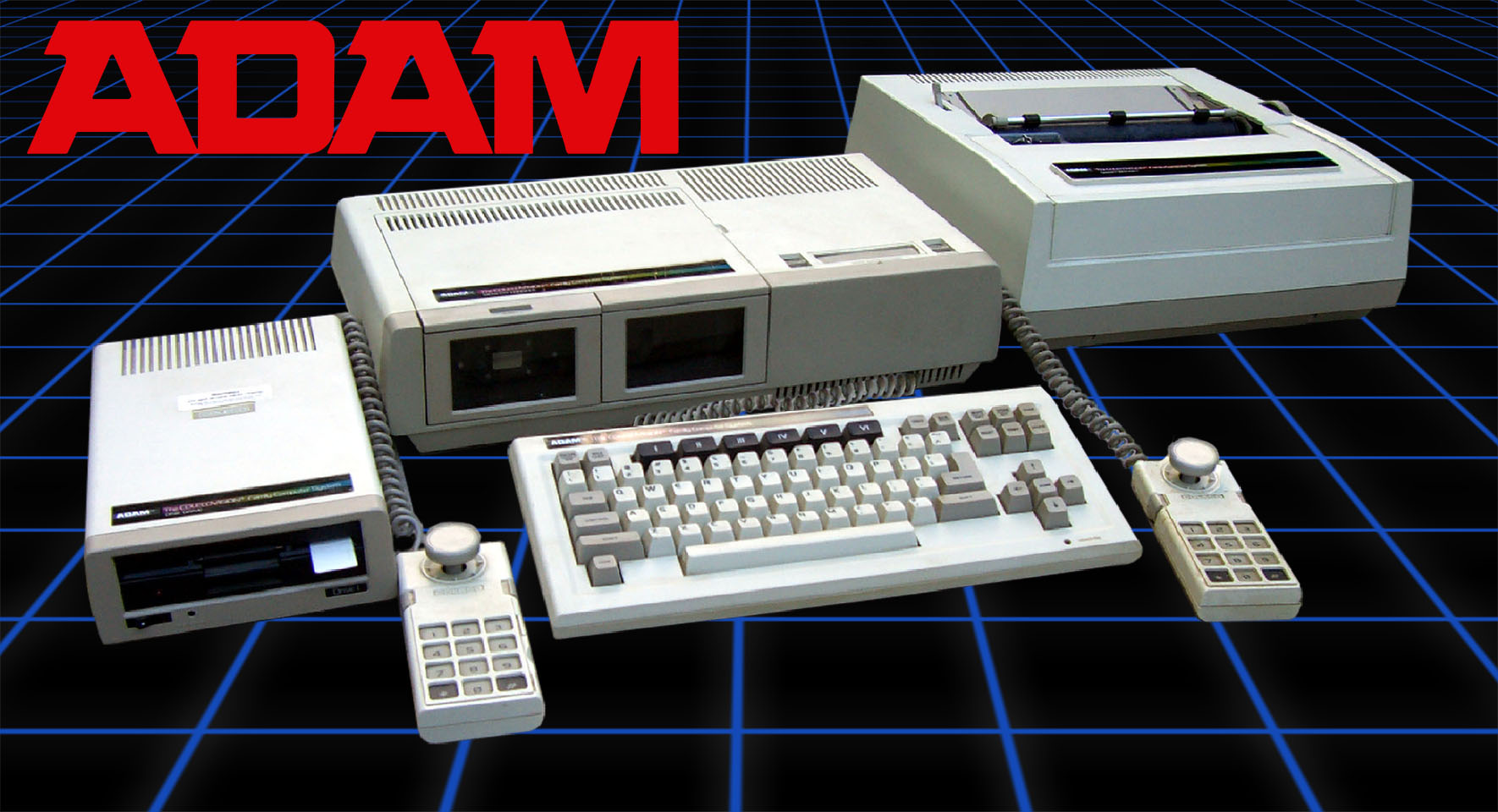
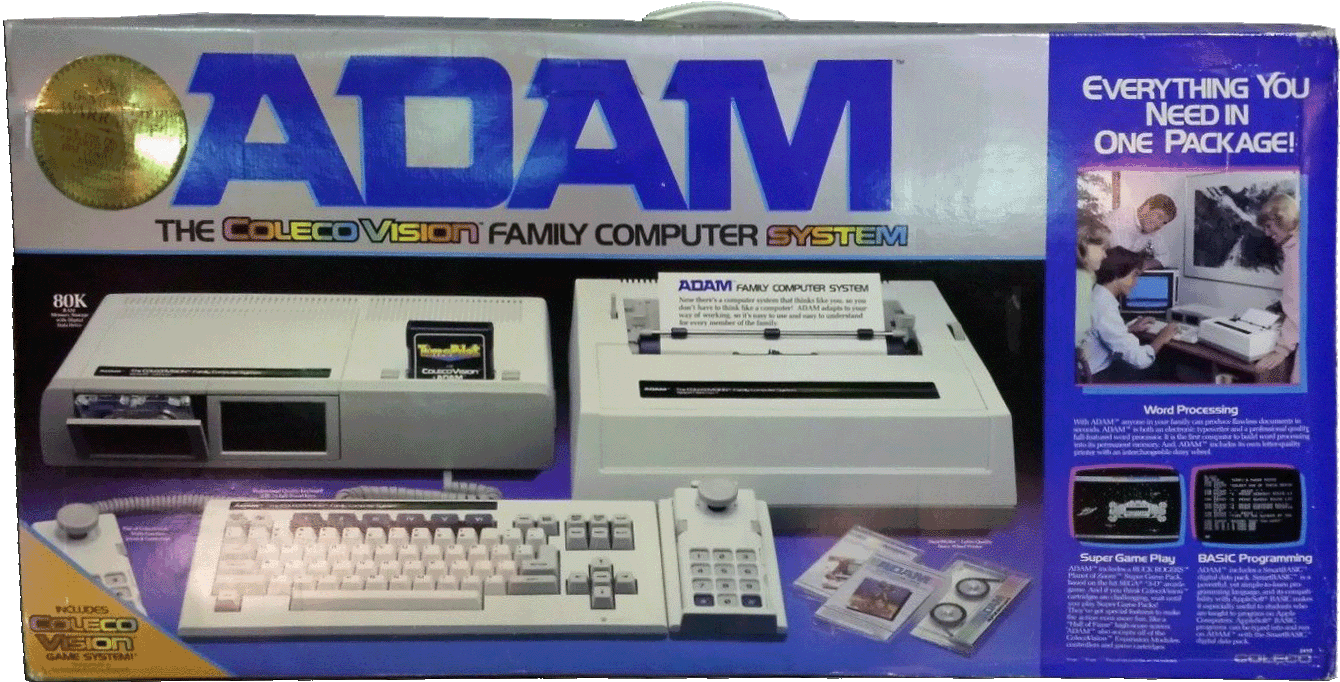
The Coleco ADAM was one of the most eagerly anticipated home computers of the early 1980s. Introduced at the Consumer Electronics Show (CES) in June 1983, the ADAM was revolutionary in concept - Coleco promised a complete family computer system, including a daisy-wheel printer, digital data pack storage system, and software, all for the breakthrough price of $600.
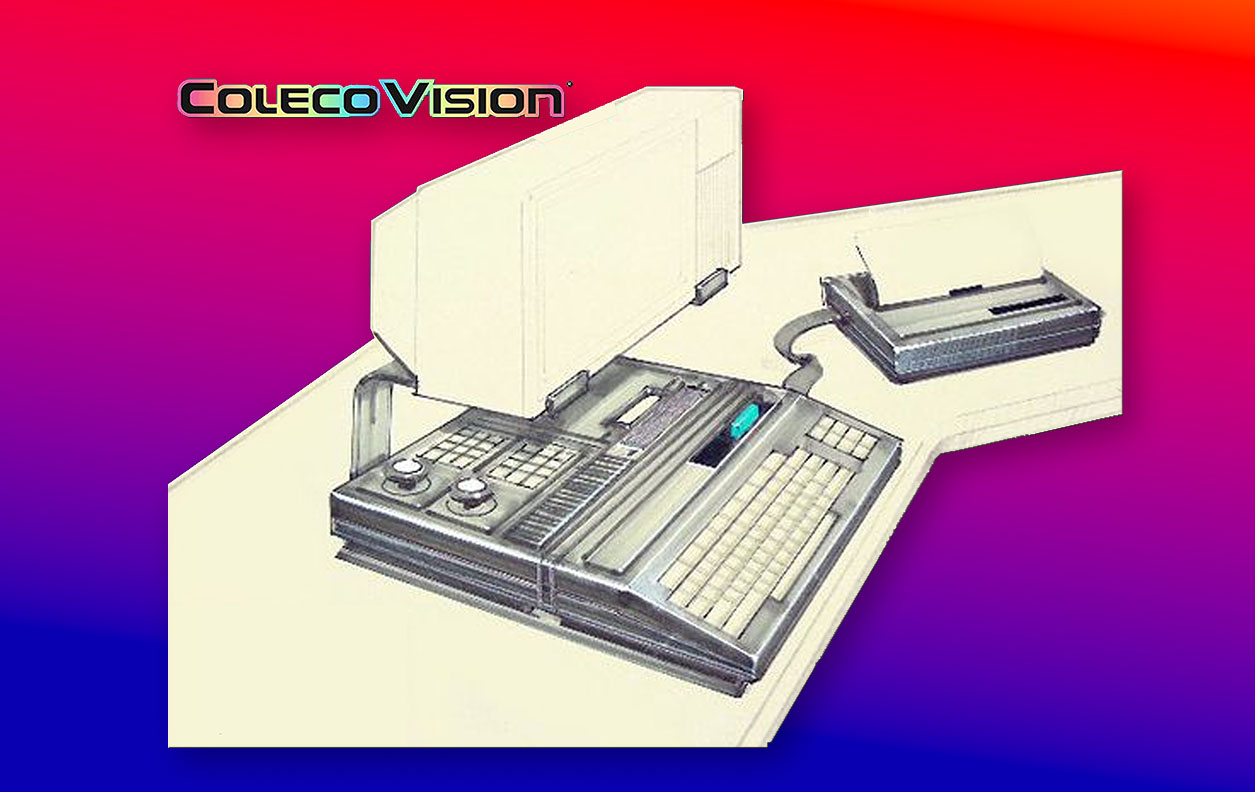
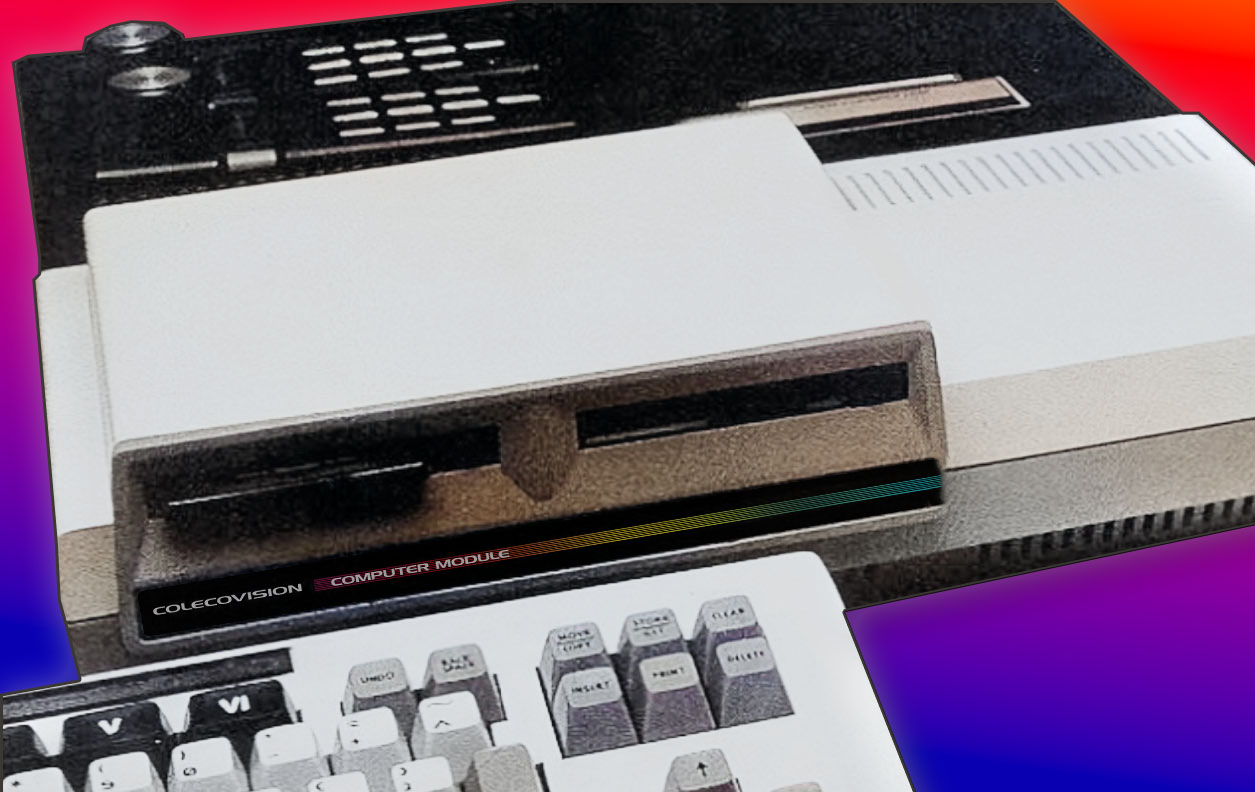
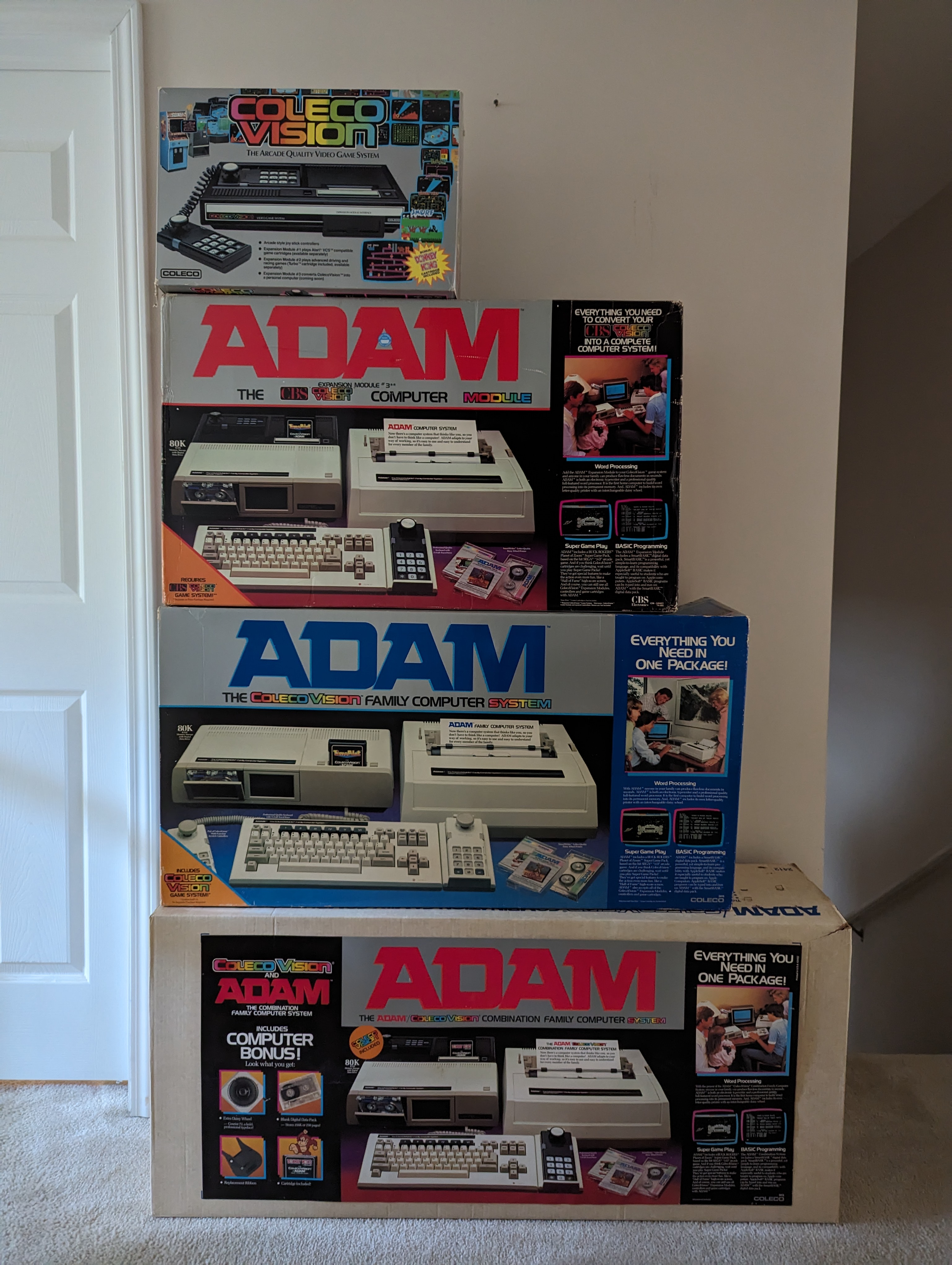
Coleco's president Arnold Greenberg proclaimed the ADAM as a "logical progression" from their highly successful ColecoVision video game system. The system was available in two configurations: a standalone unit, and an expansion module that connected to the ColecoVision gaming console. This strategy allowed Coleco to leverage their established gaming market while entering the growing home computer space to compete with Apple, Commodore, and Atari.
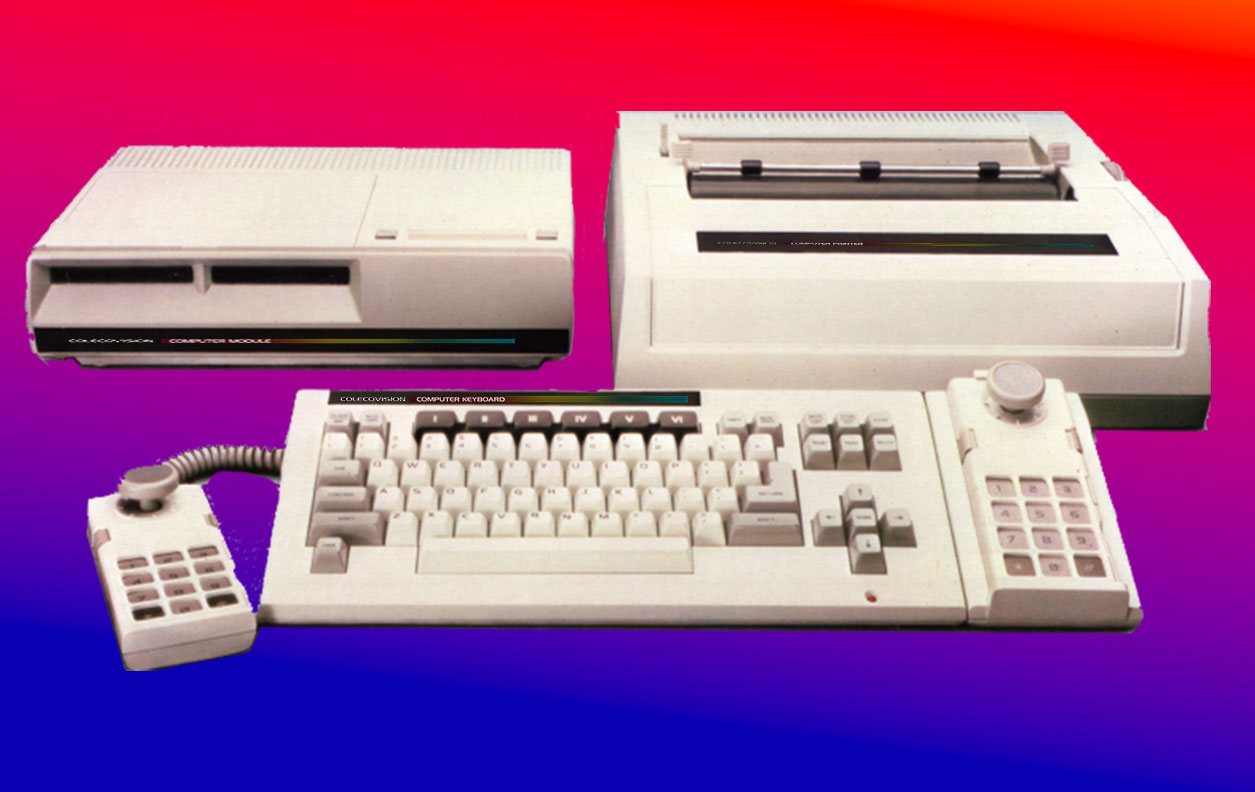
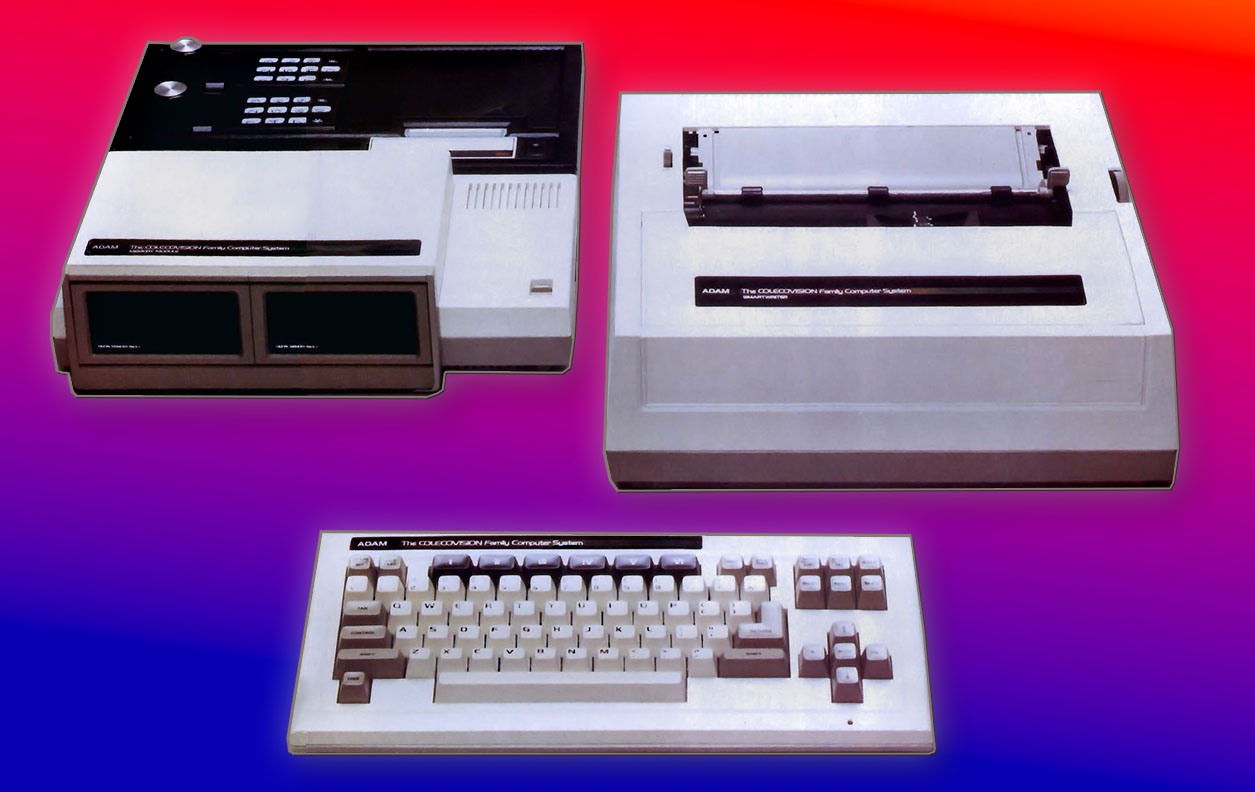
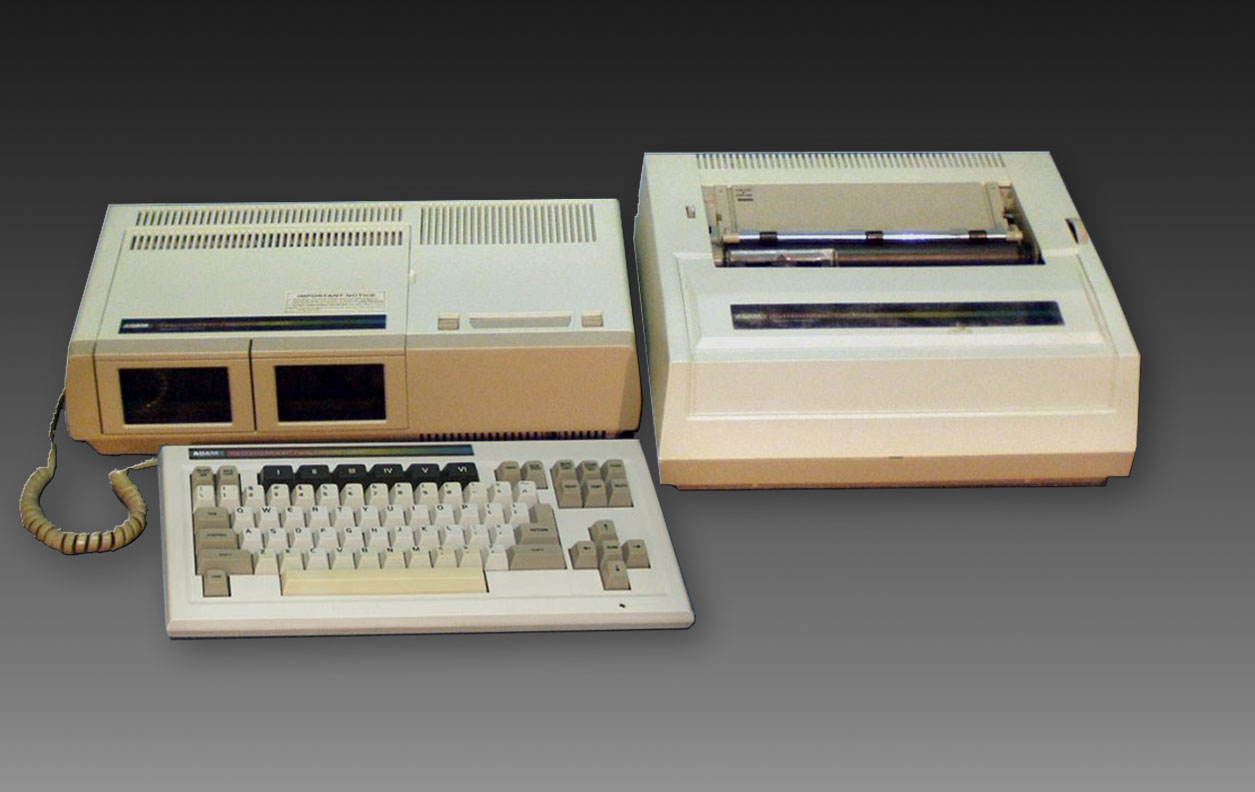
The ADAM's hardware was impressive for its time. It was built around the Zilog Z80A microprocessor running at 3.58 MHz, with 64K of RAM expandable to 144K. The system included a full-size keyboard with dedicated function and SmartKeys, a digital data pack tape system for storage, and the "SmartWriter" word processor in ROM. Most remarkably, every ADAM came with a daisy-wheel letter-quality printer - a significant value when such printers typically cost hundreds of dollars on their own.
Unfortunately, the ADAM's launch was plagued by production delays, pushing its release from August to late 1983, missing much of the crucial holiday shopping season. When units finally reached consumers, they were often plagued by technical problems. The ADAM's power supply was notoriously placed in the printer rather than the main unit, causing the entire system to fail if the printer malfunctioned. Even more concerning were reports that the electromagnetic pulse generated when the system was turned on could erase nearby digital data packs.
By early 1984, Coleco had fixed many of these issues, but the damage to ADAM's reputation was done. The system also faced increasingly fierce competition in the home computer market, with price wars between Commodore, Atari, and others driving computer prices below what Coleco could match. The video game crash of 1983-84 further complicated matters, as retailers became wary of the entire electronic entertainment industry.
Coleco ultimately discontinued the ADAM in October 1984, barely a year after its troubled launch. The company took a $35 million loss on the project, which contributed to Coleco's eventual bankruptcy. Despite its commercial failure, the ADAM retains a special place in computing history as an ambitious, feature-rich system that embodied the optimism and innovation of the early home computer era. Today, the ADAM has a dedicated collector community that continues to develop new software and hardware expansions for this unique computer system.
SYSTEM SPECIFICATIONS
CPU: Zilog Z80 @ 3.58 MHz
Support processors: Three Motorola 6801 processors at 1 MHz (memory & I/O, tape, and keyboard control)
Memory: 64 KB RAM, 16 KB video RAM; 32 KB ROM
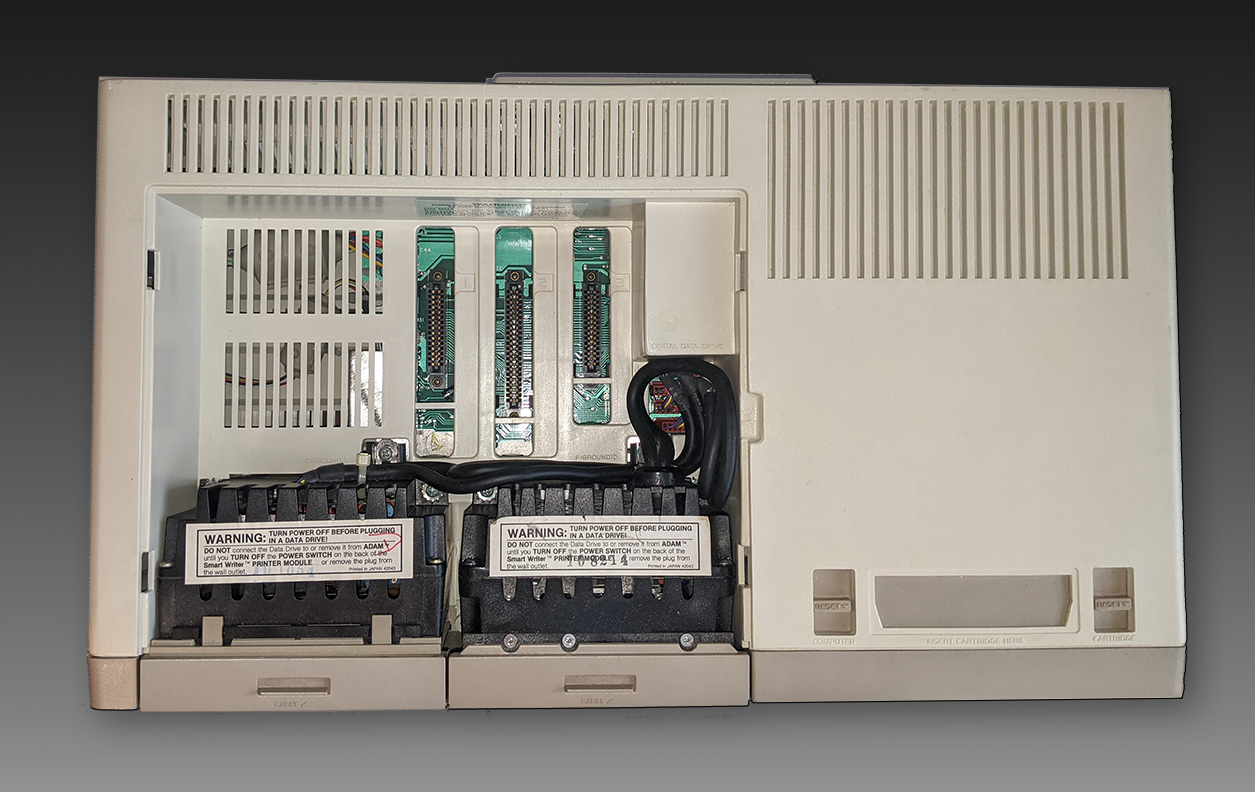
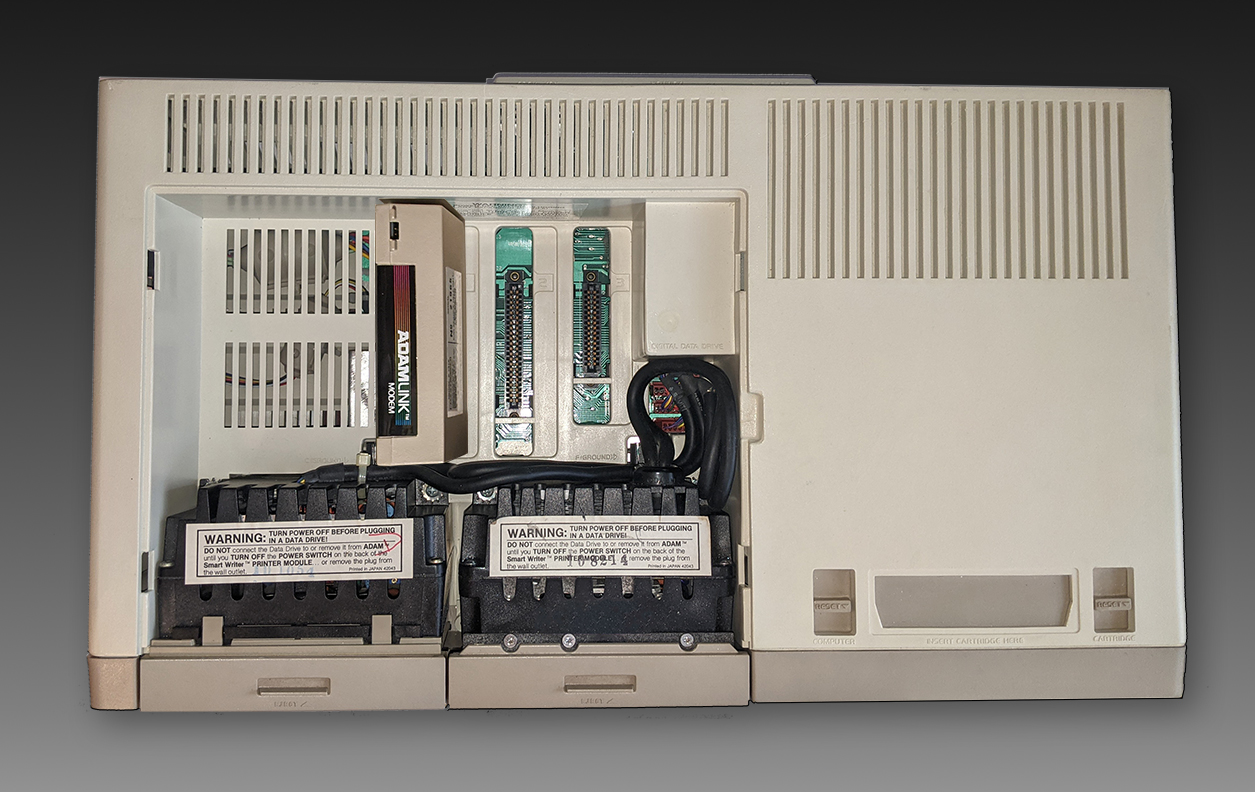
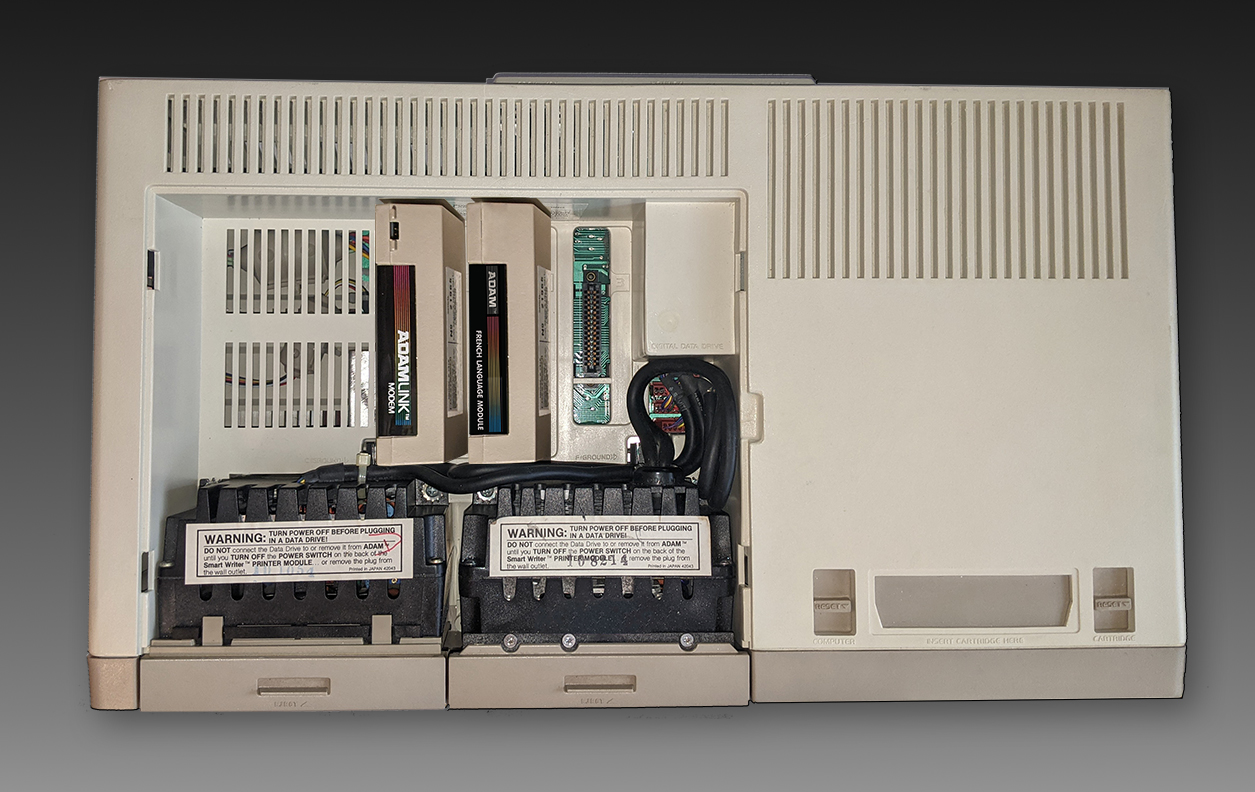
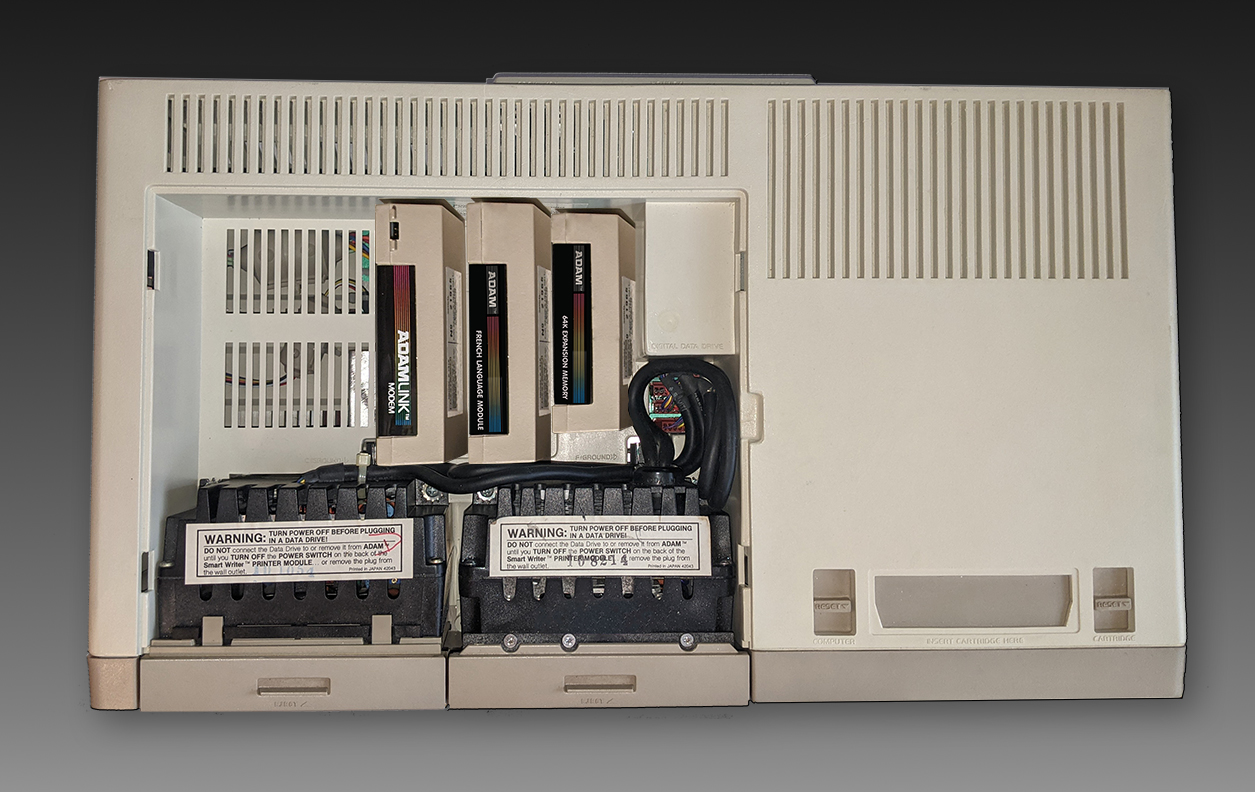
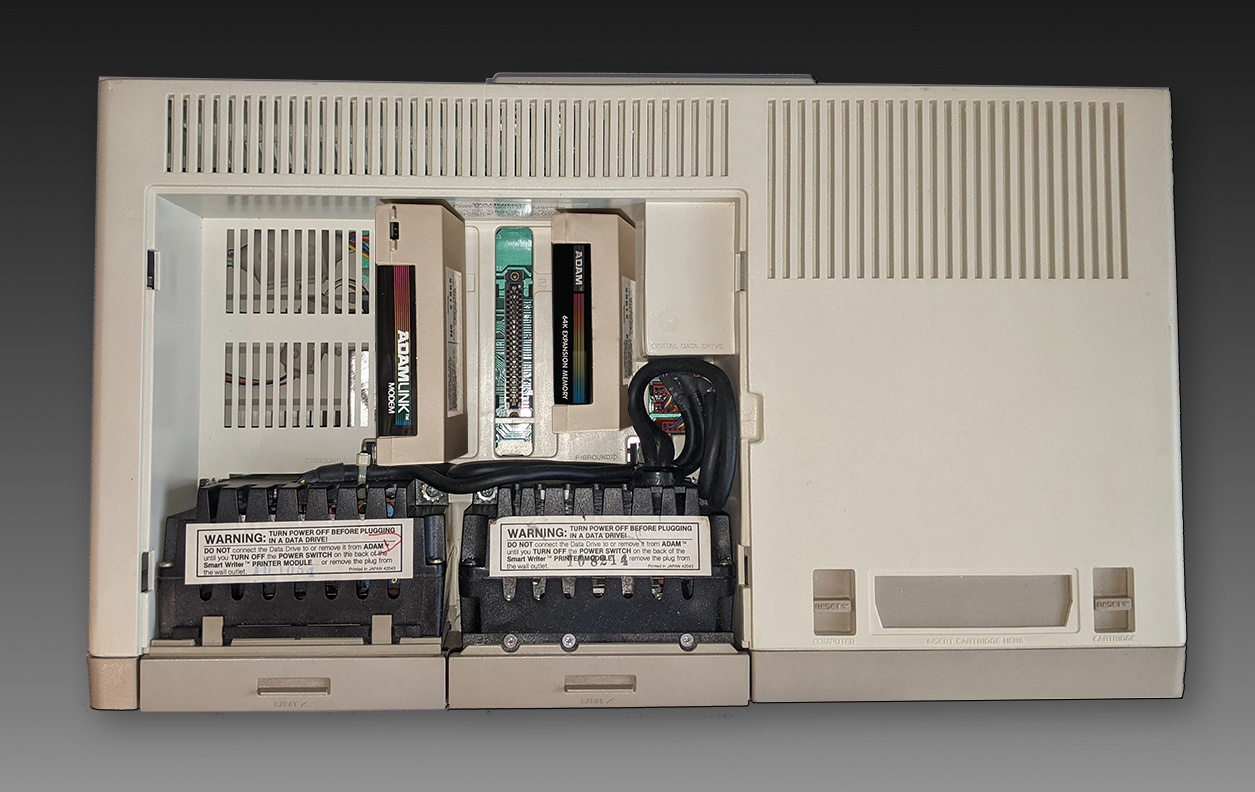
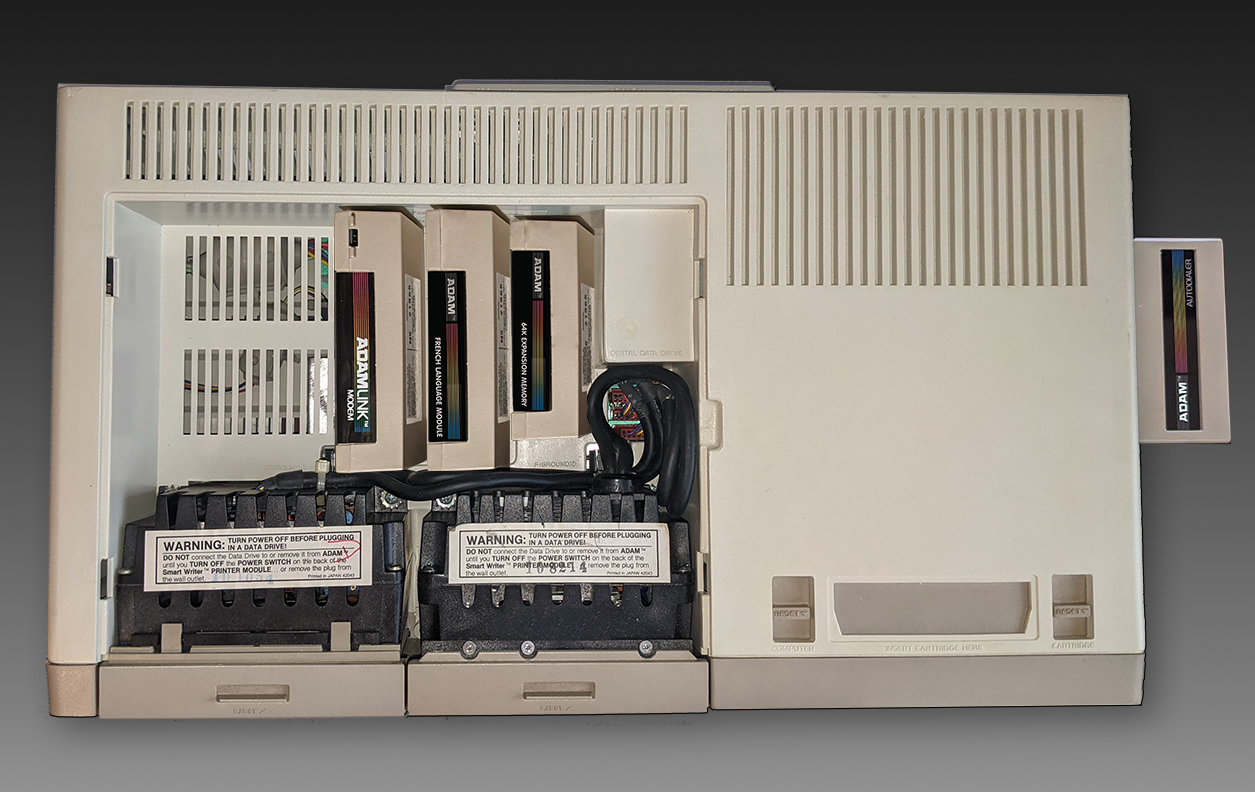
Expansion: 3 internal slots, 1 cartridge slot, and a 62.5 kbit/s half-duplex serial bus called AdamNet
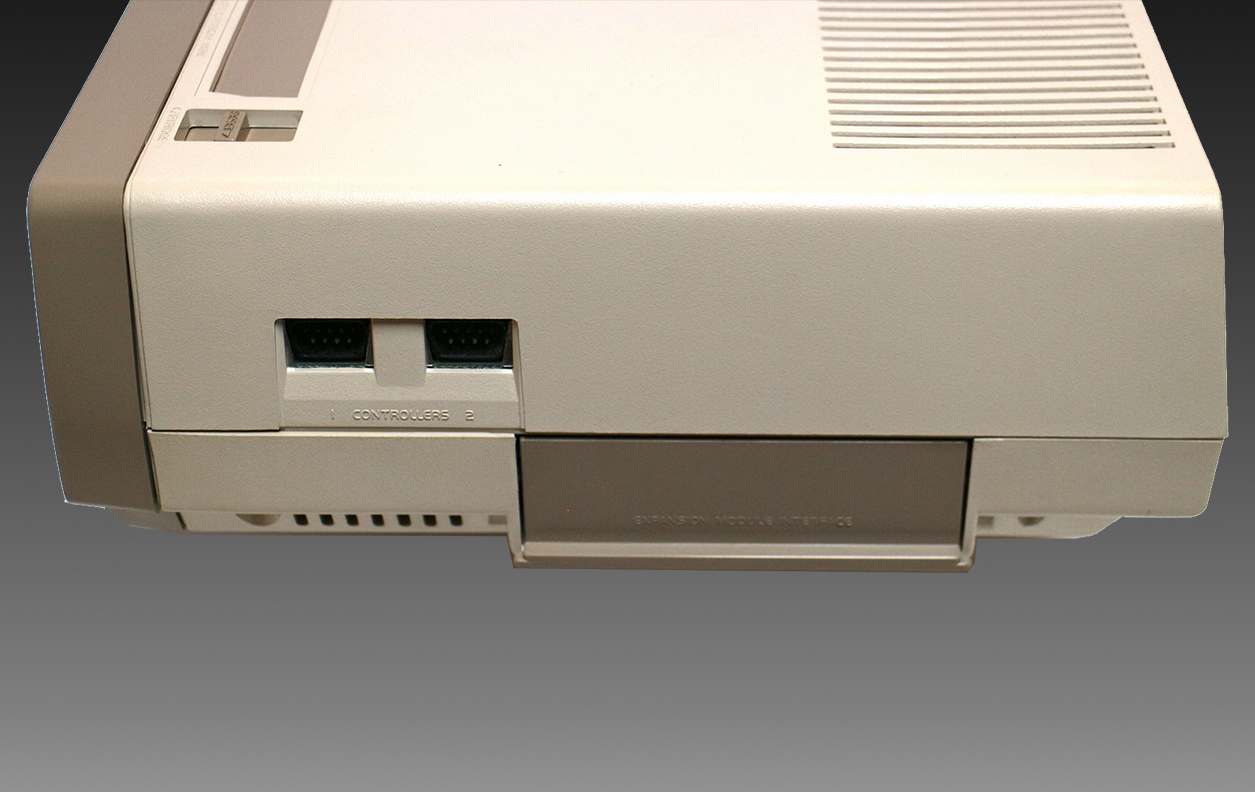
Both the stand-alone and expansion-module versions also have an external expansion port of the same type as the ColecoVision expansion port.
Secondary storage: Digital Data Pack tape cassette, 256 KB
Graphics: Texas Instruments TMS9928A
256 � 192 resolution
32 sprites
Sound: Texas Instruments SN76489AN
3 voices

ADAM SYSTEM VIDEOS
ADAM System Overview
ADAM Demonstration
ADAM Hardware Tour
ADAM Software Showcase
ADAM Restoration
ADAM Game Demonstration
PROTOTYPES
PRODUCTION UNITS
USA
Canadian
Size Comparison
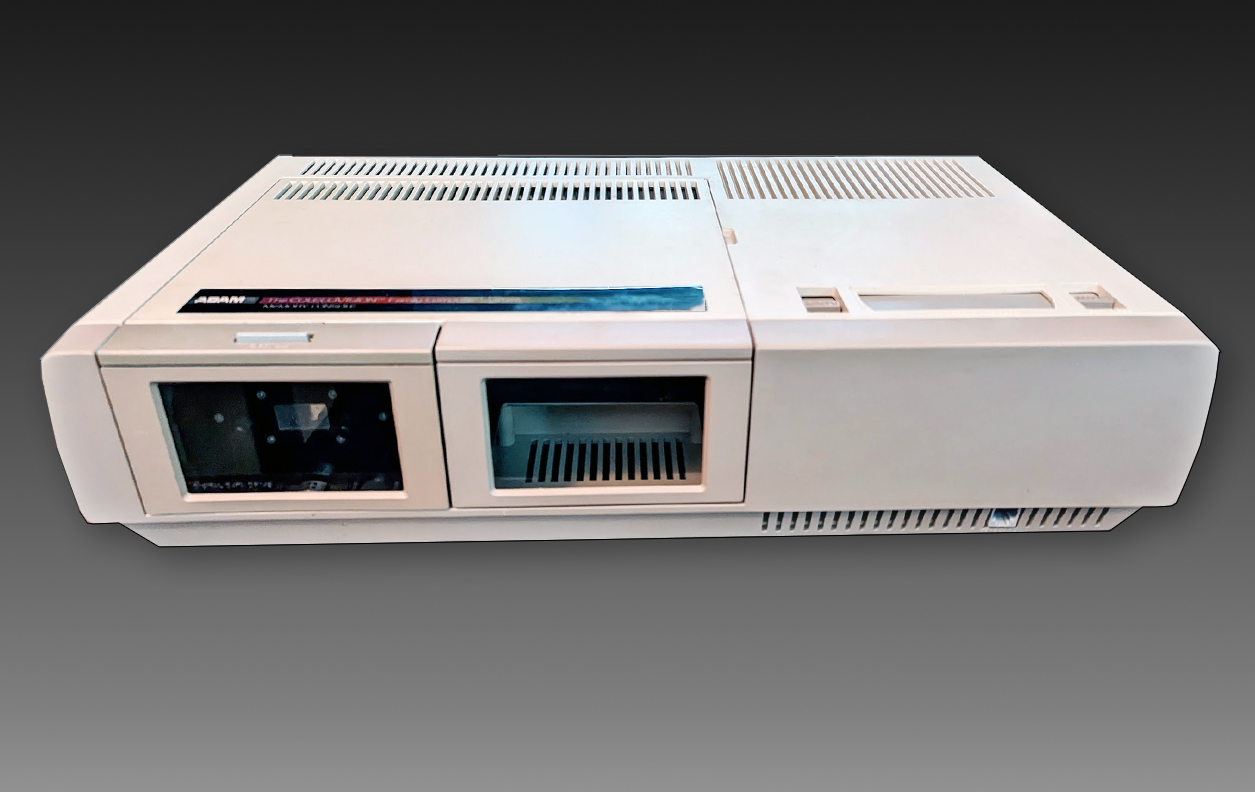
Coleco ADAM Standalone
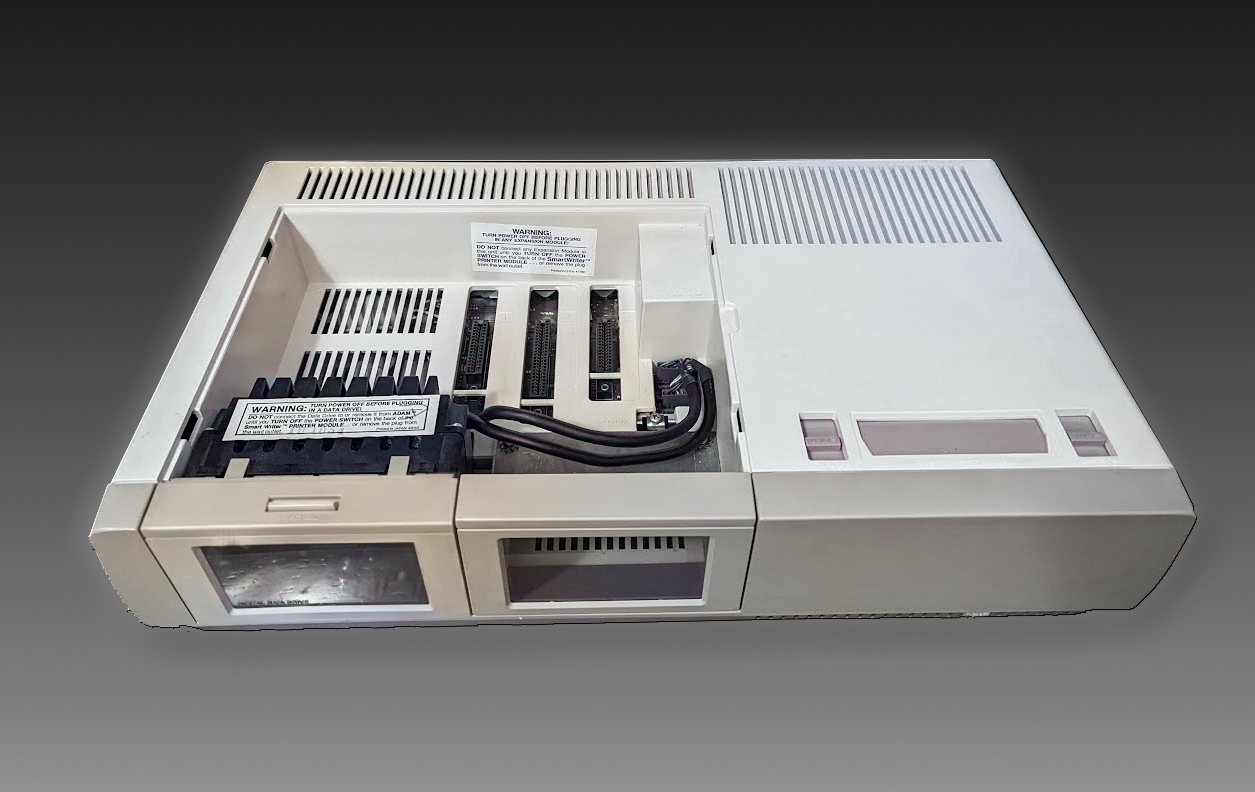
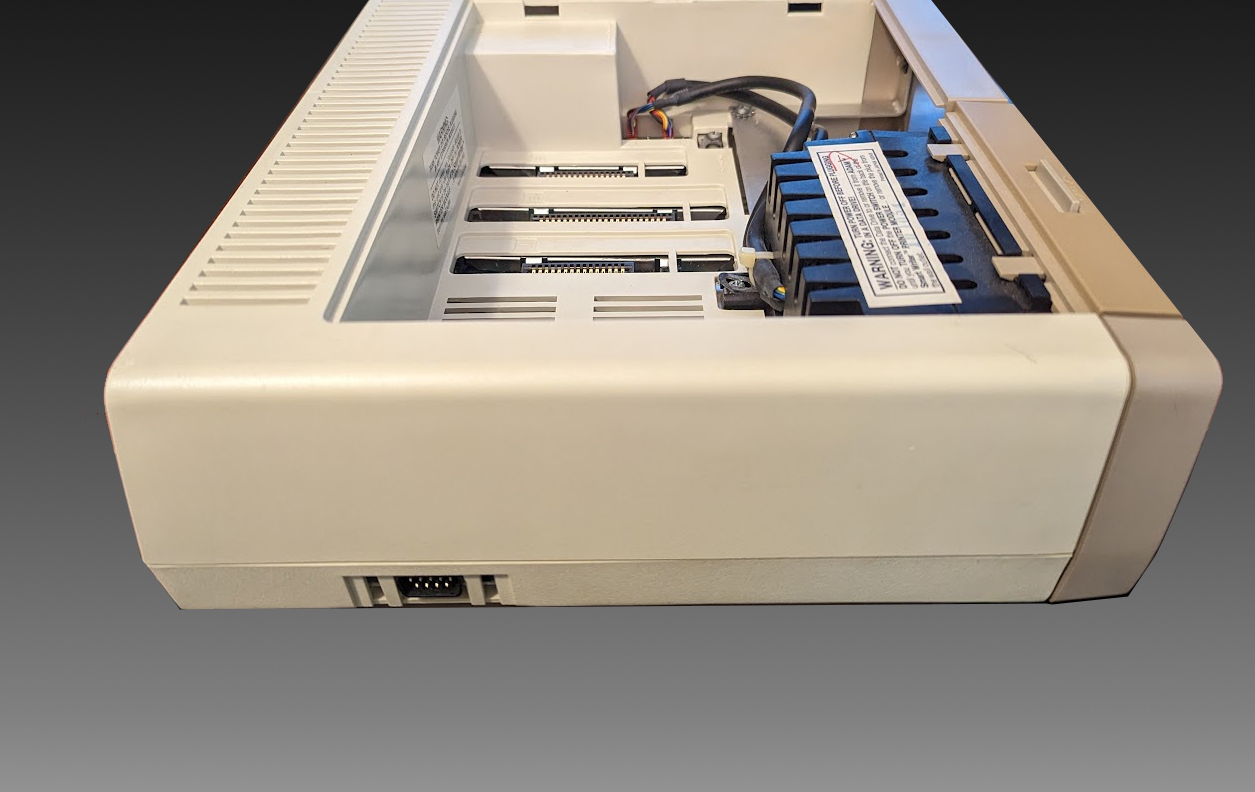
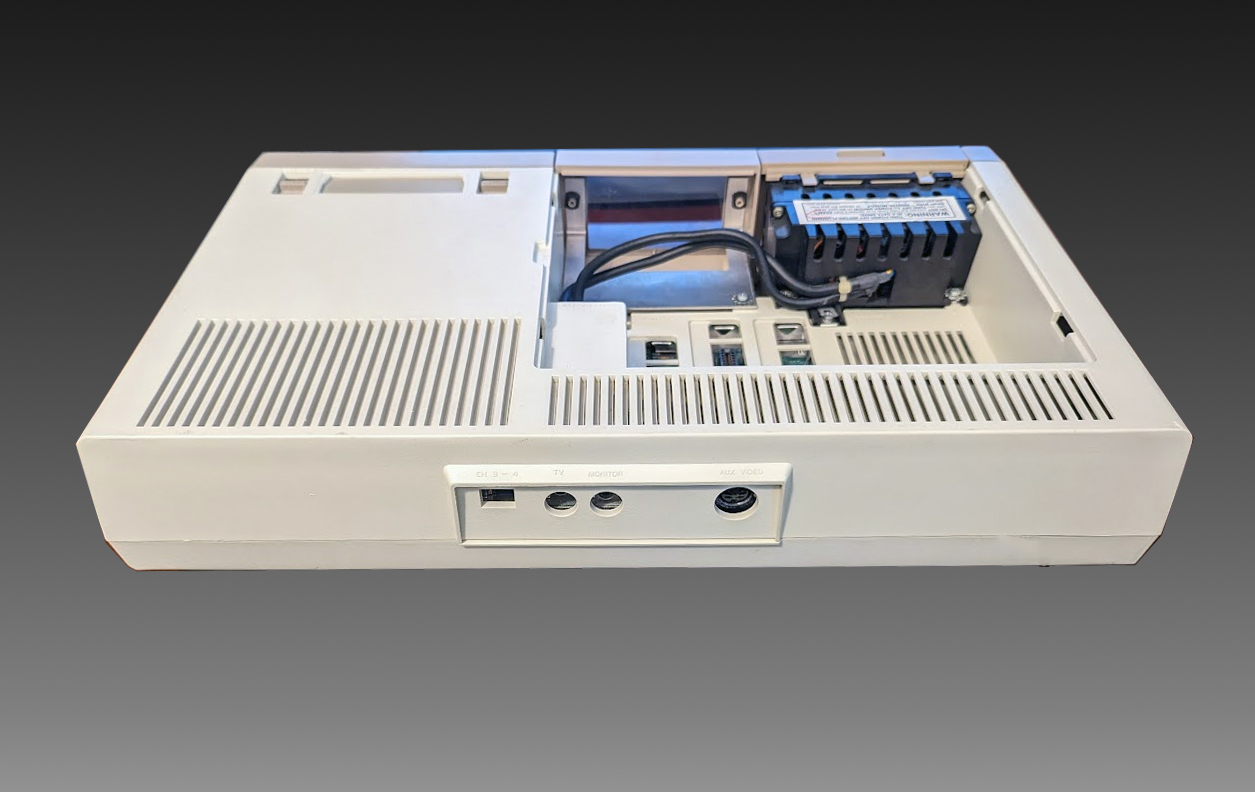
Internal Configuration
Rare Brown Base ADAM
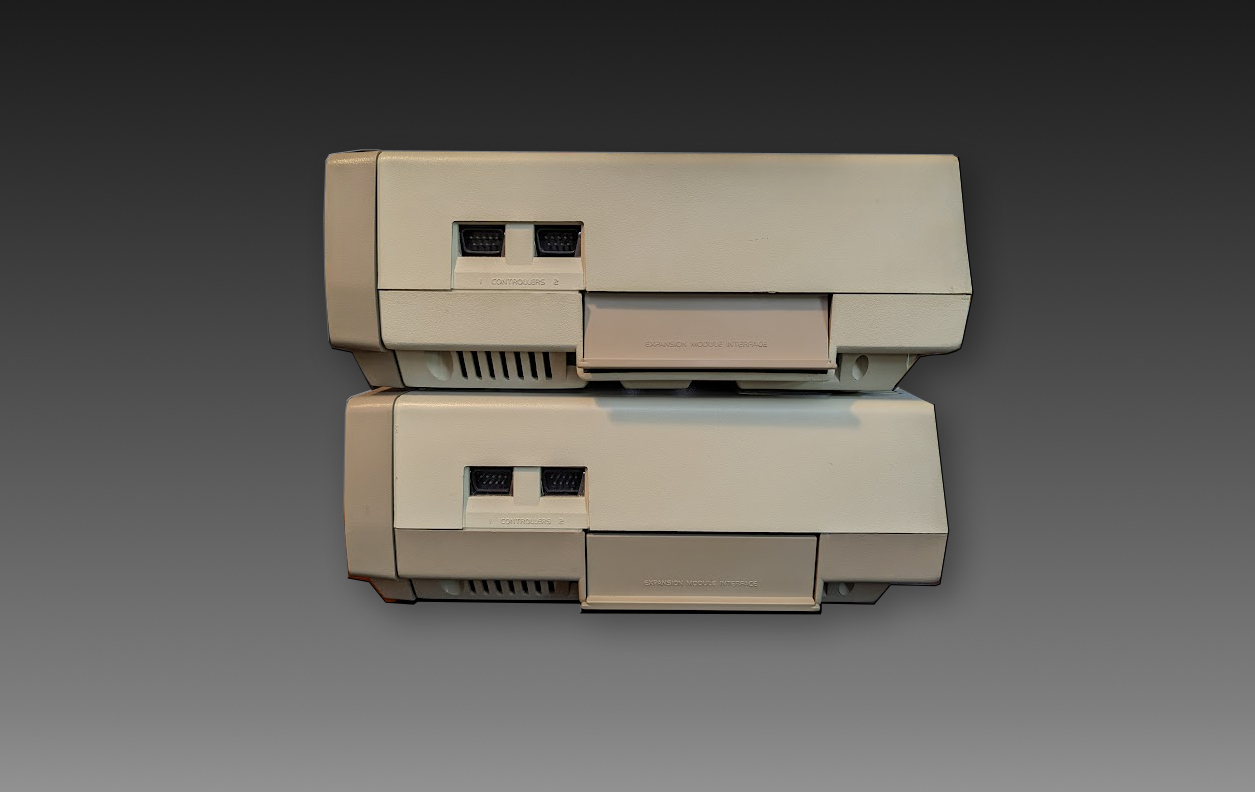
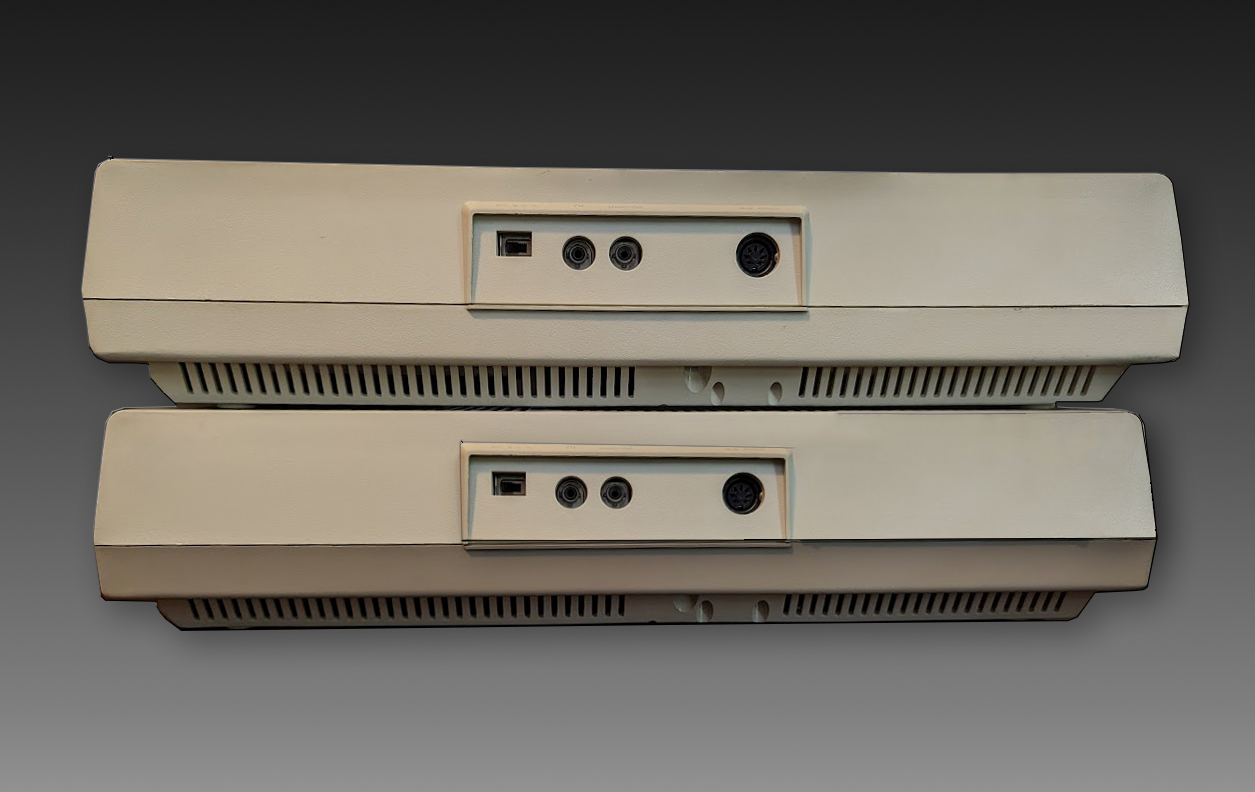
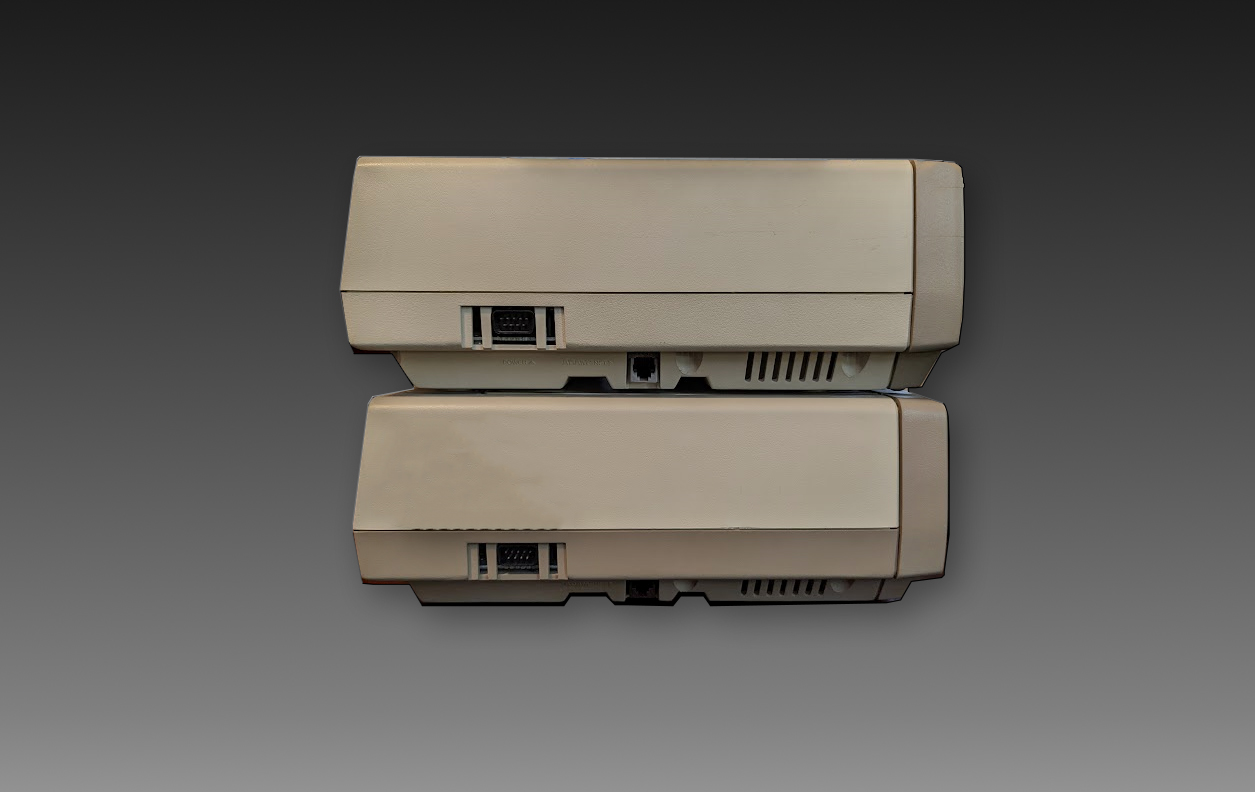
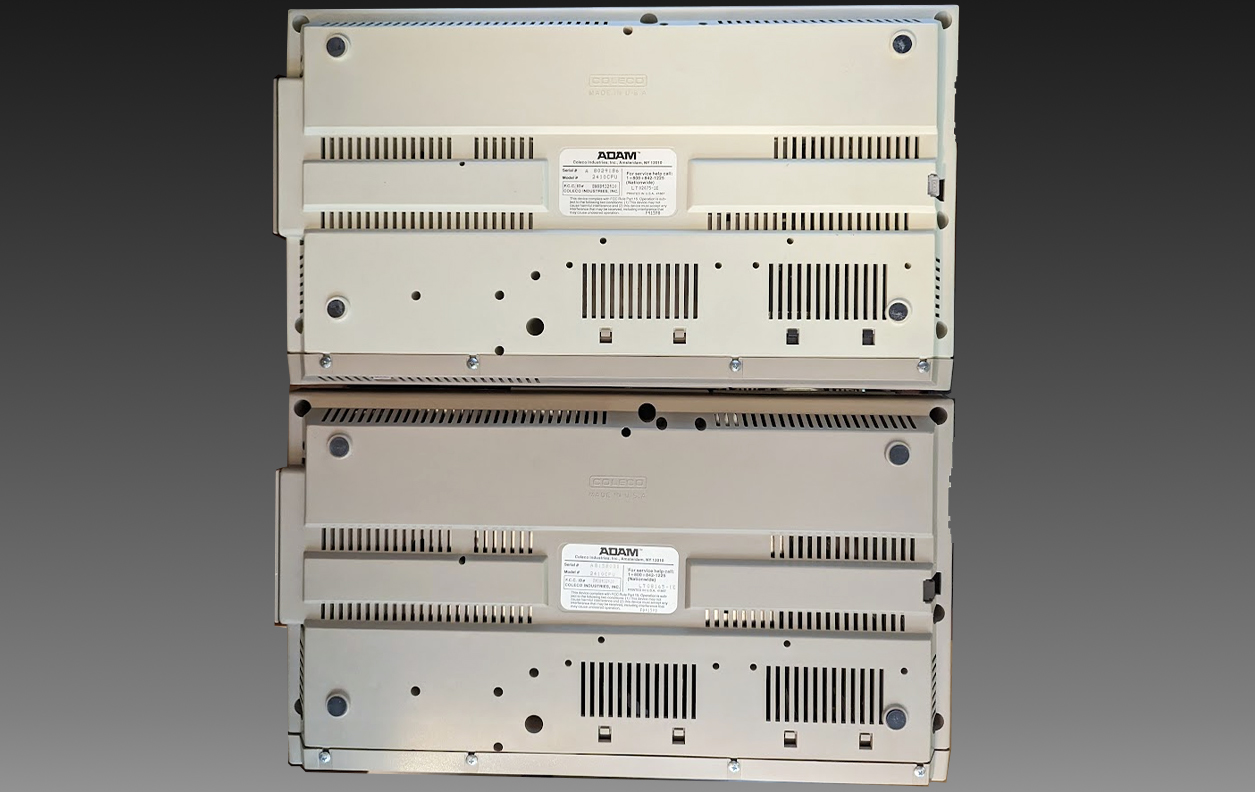
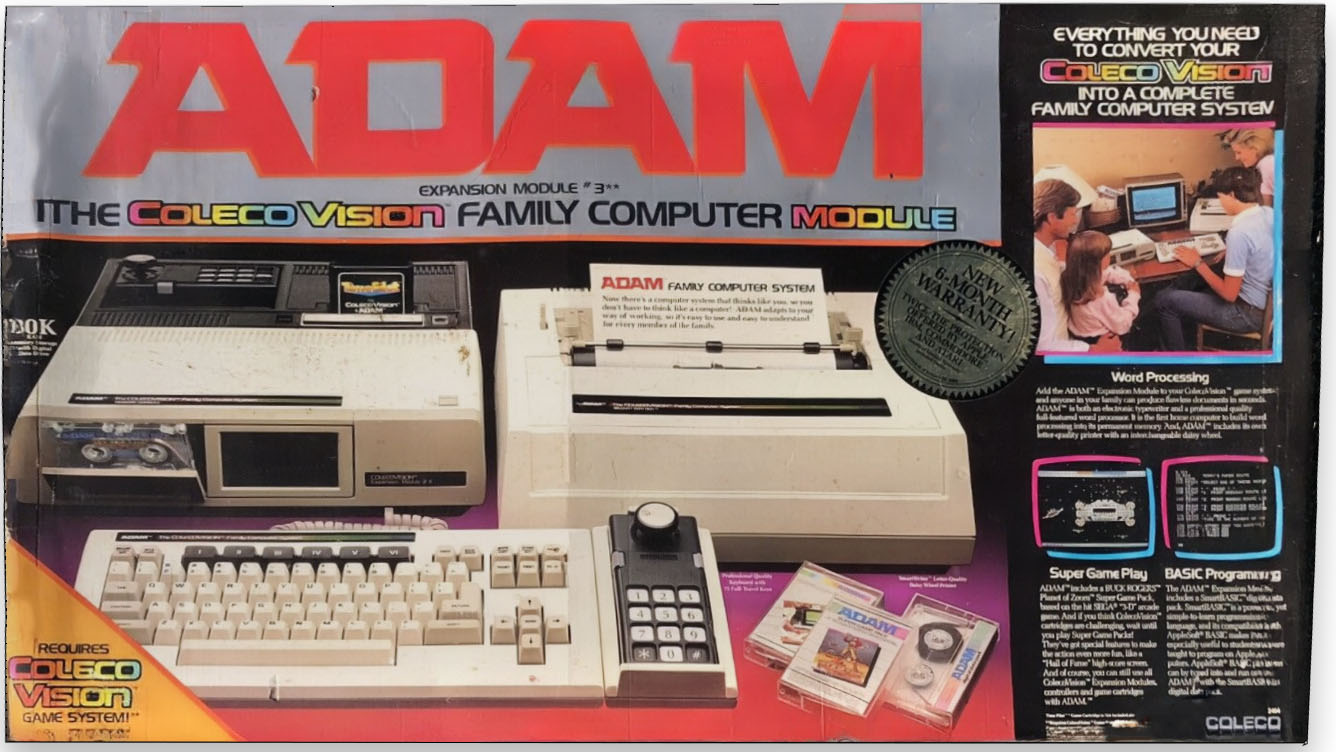
USA
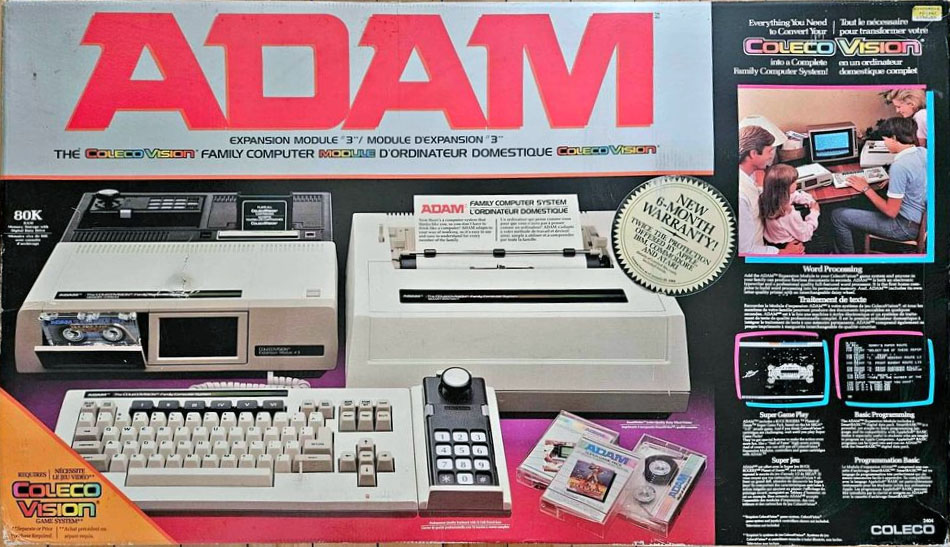
Canadian
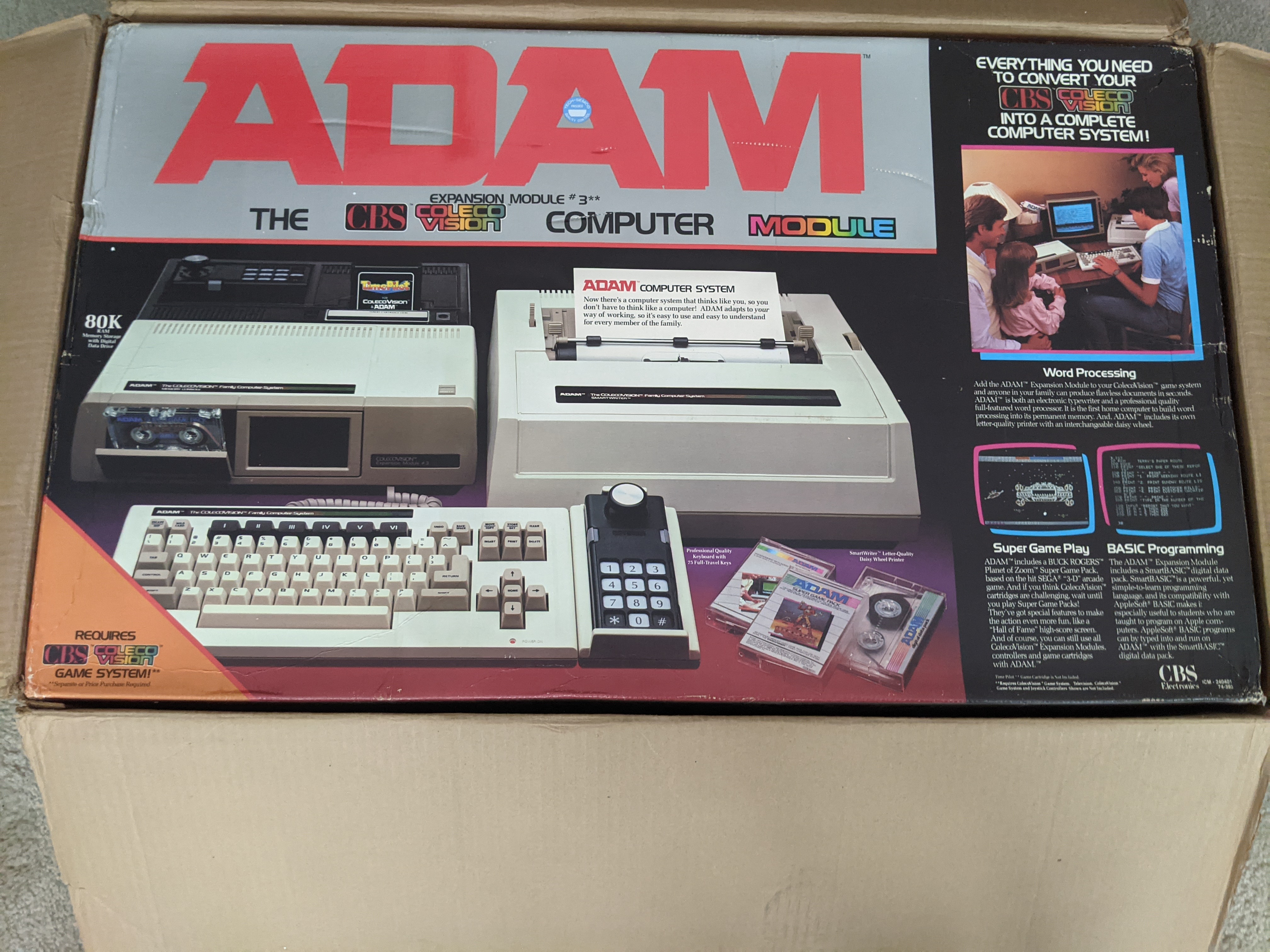
Coleco ADAM Expansion Module #3
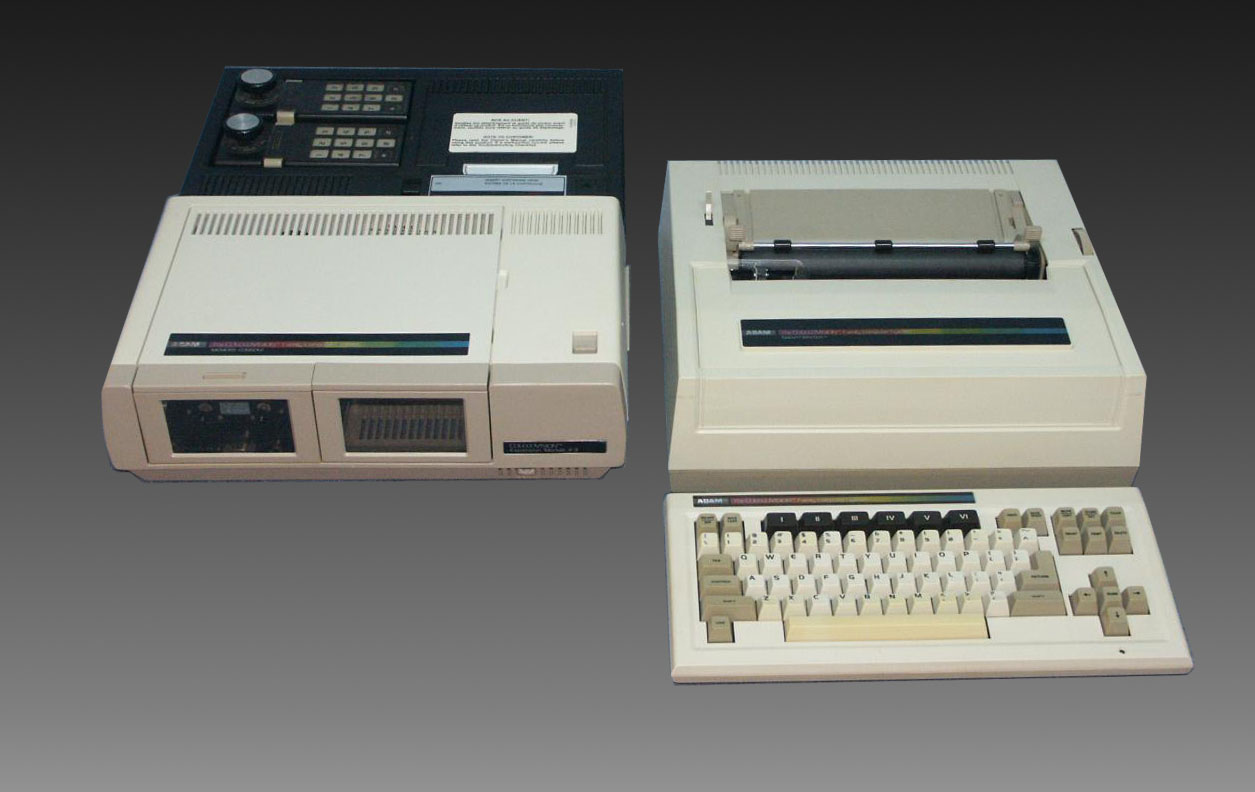
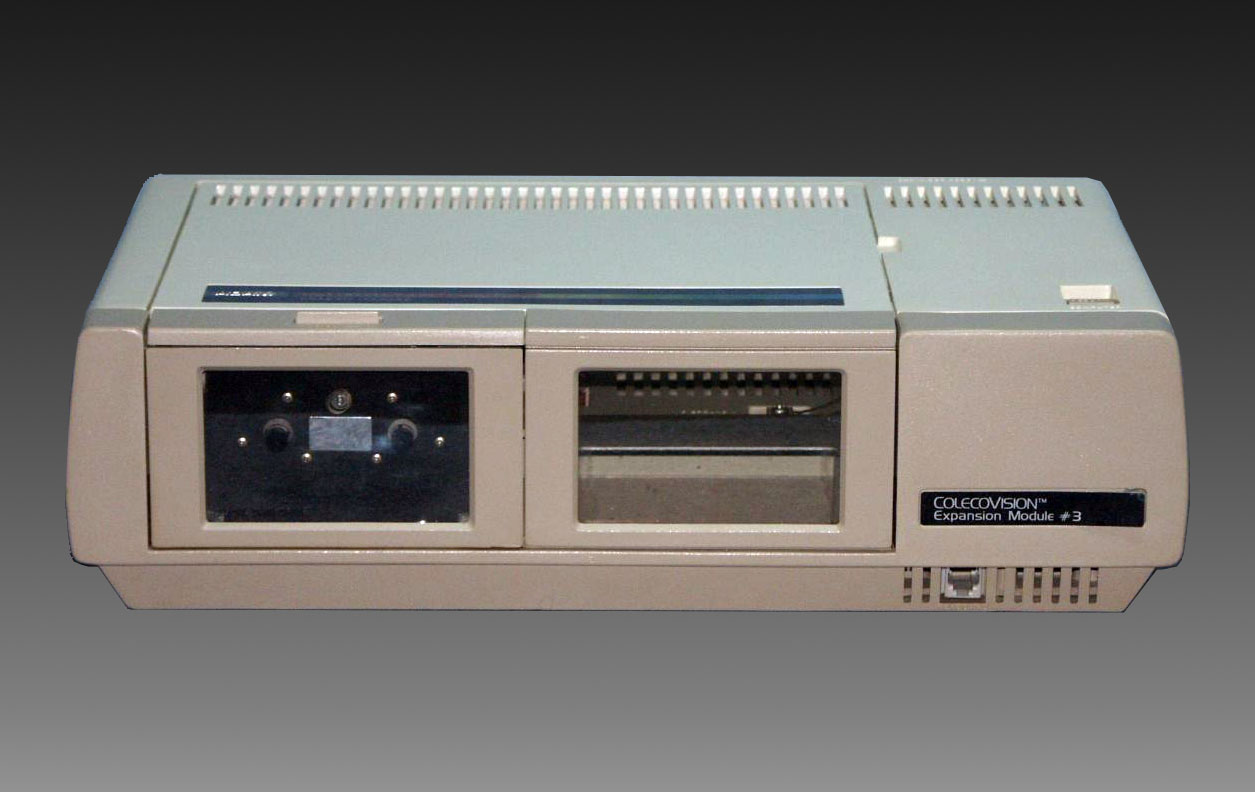
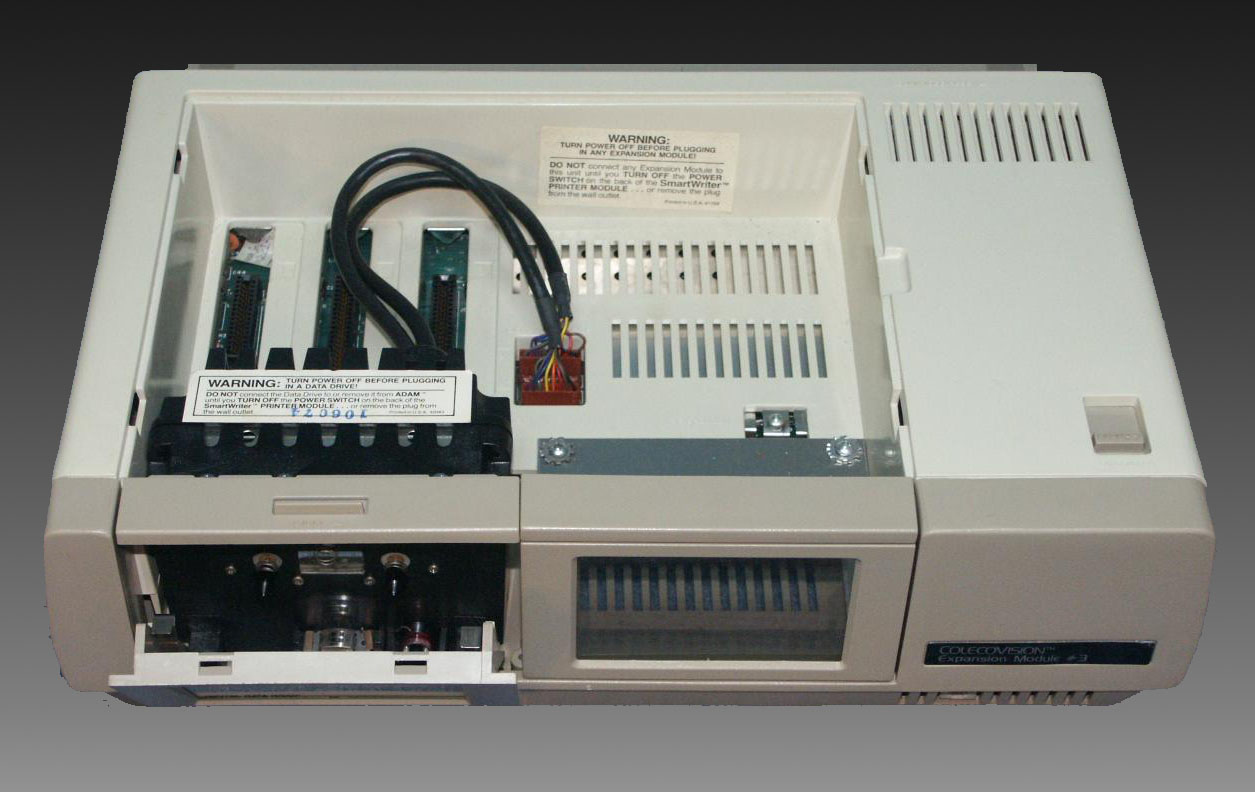
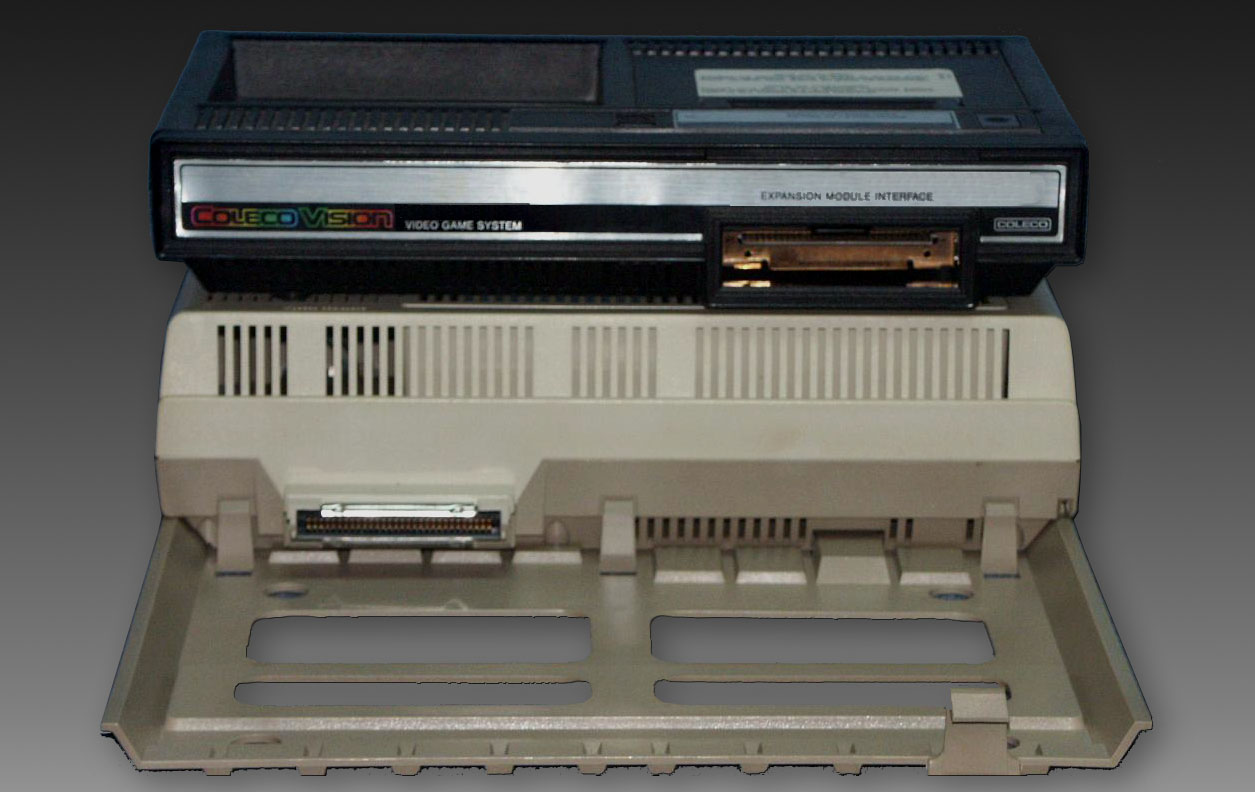
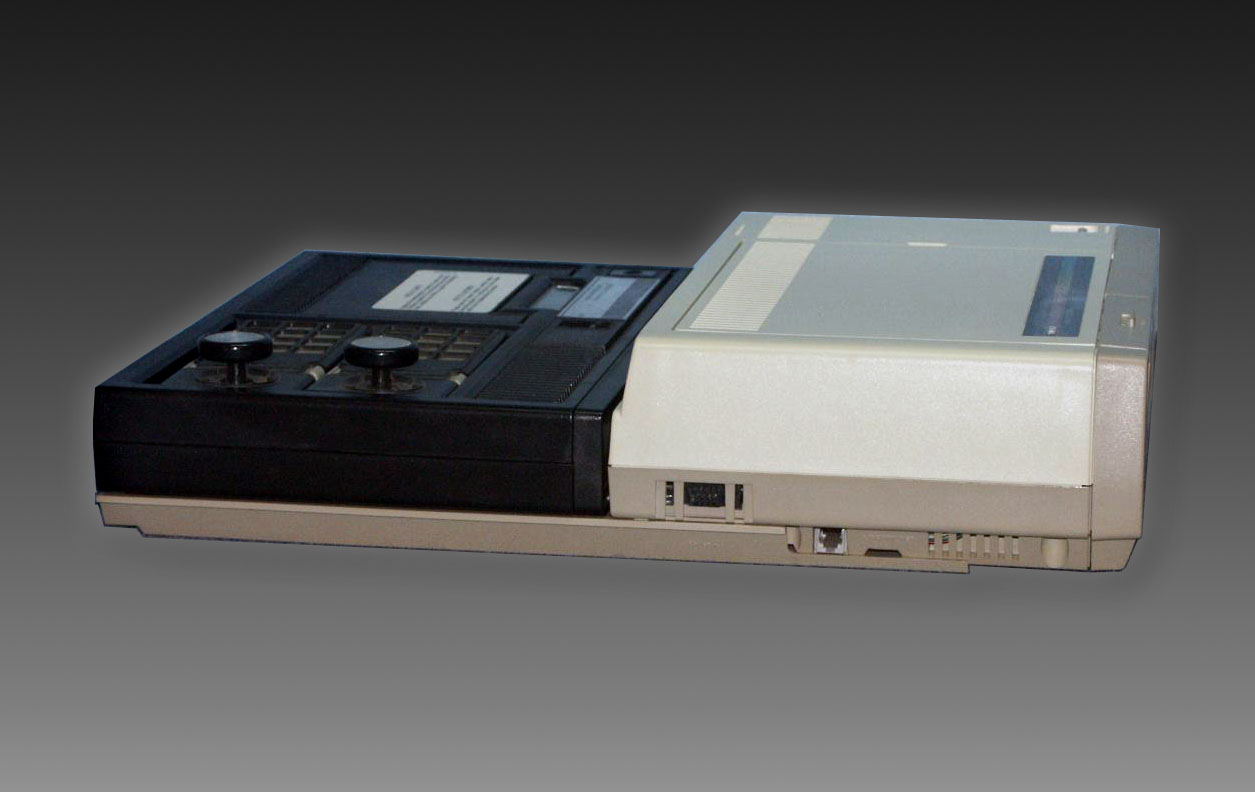
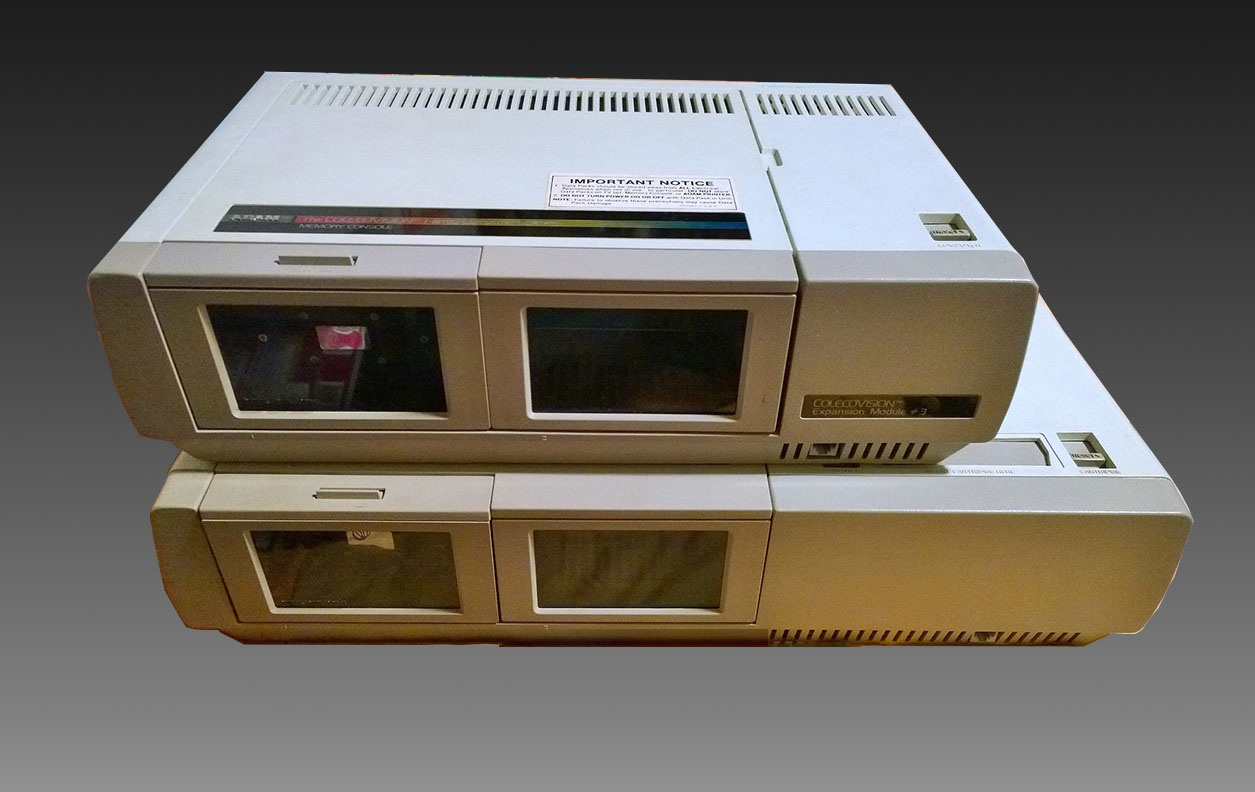
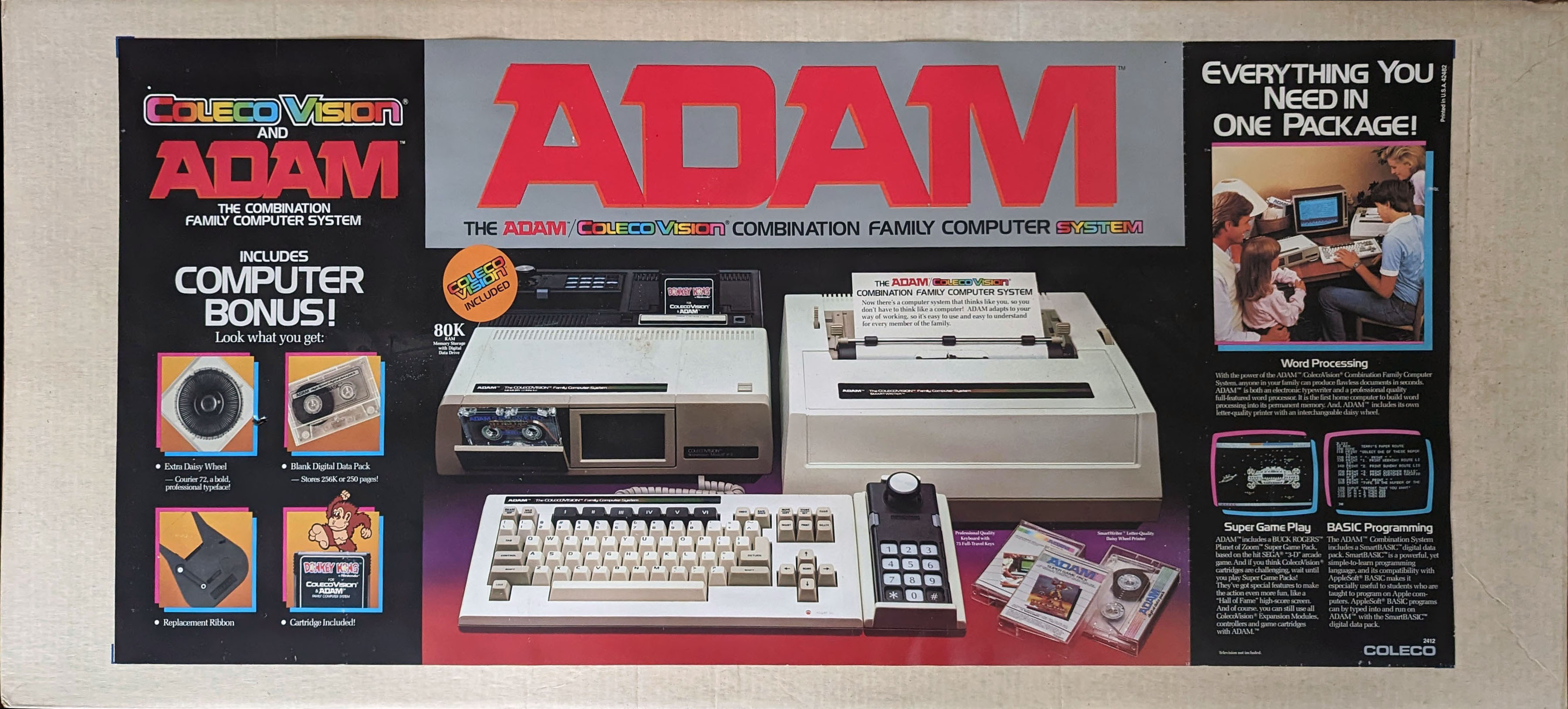
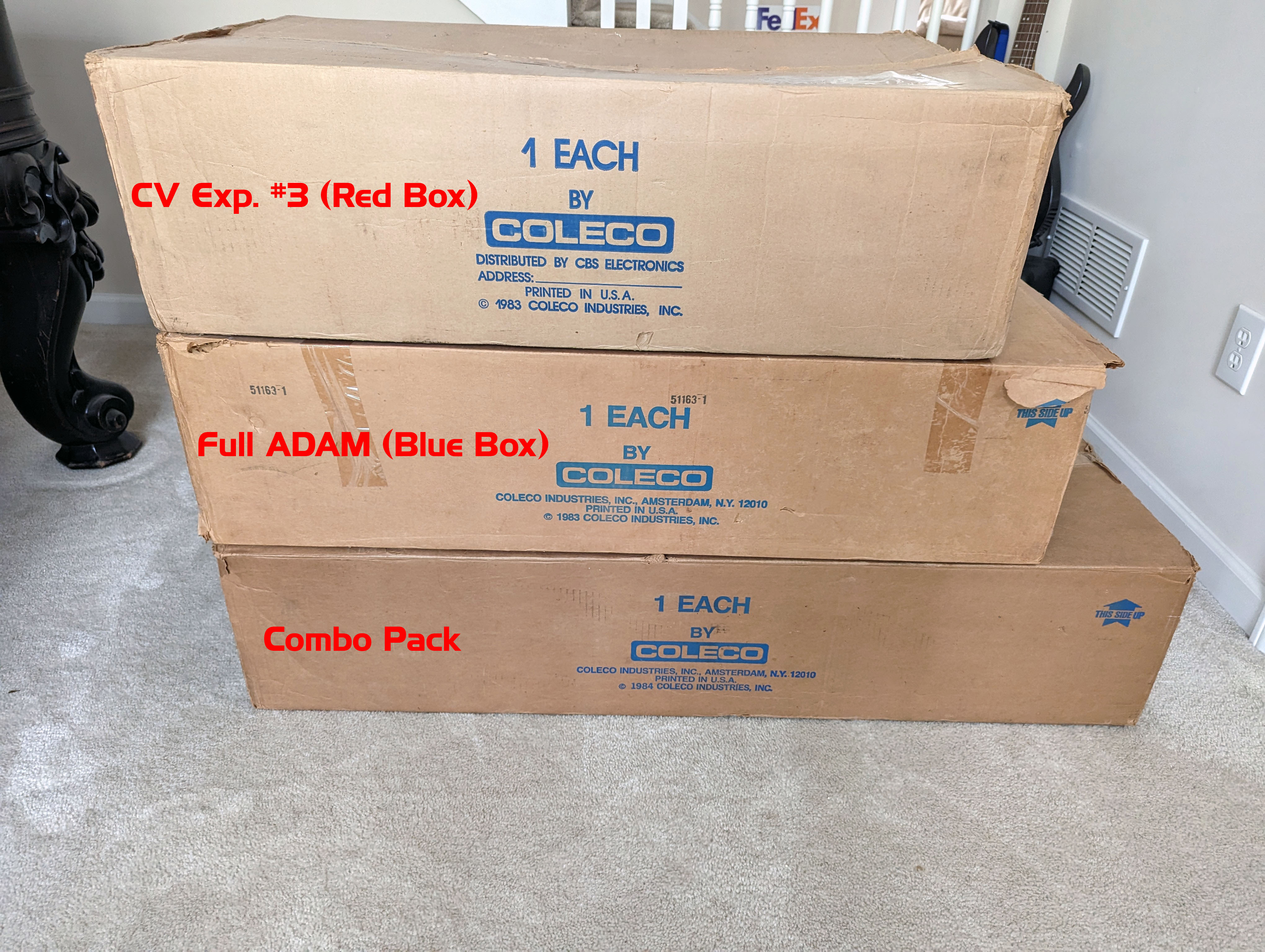
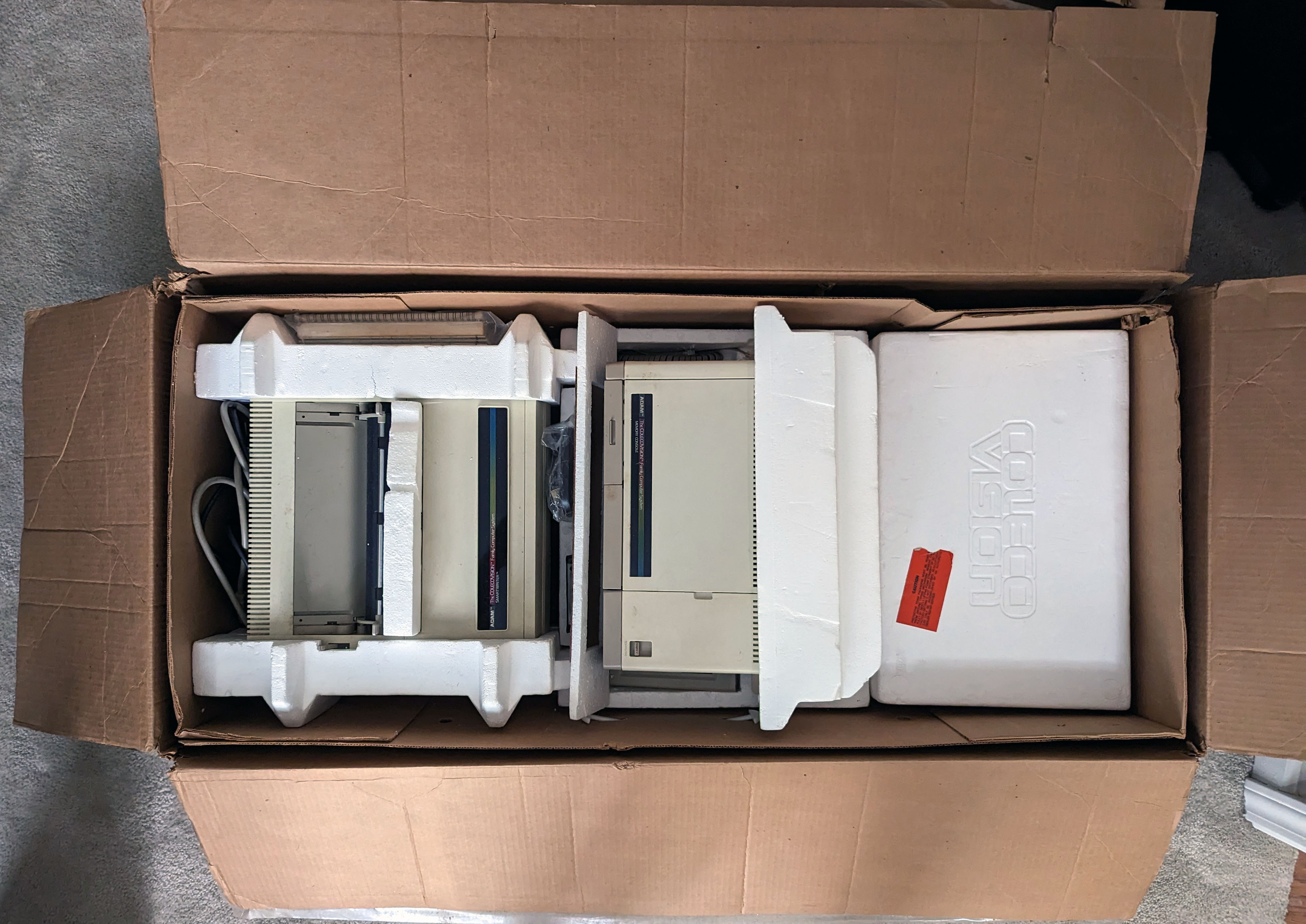
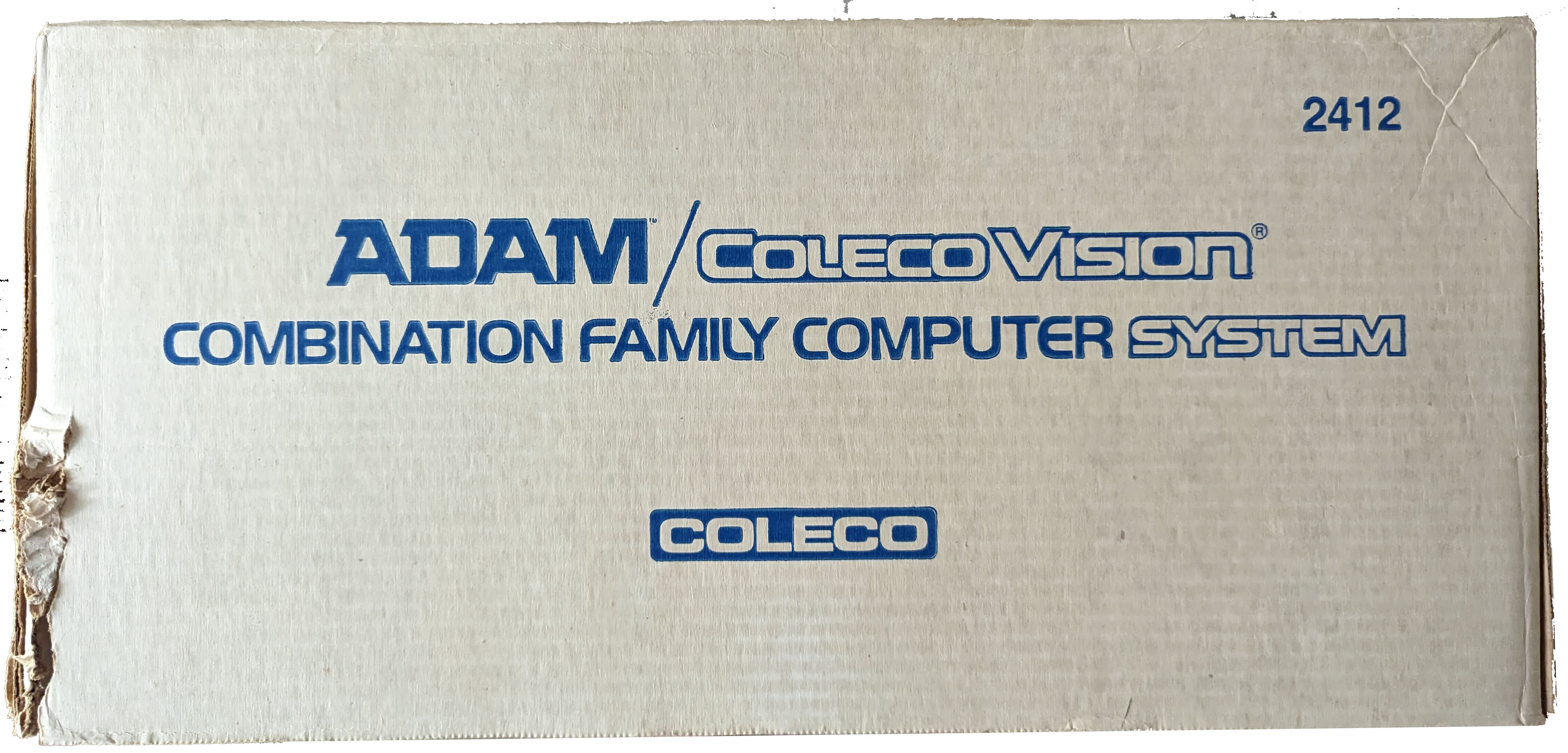
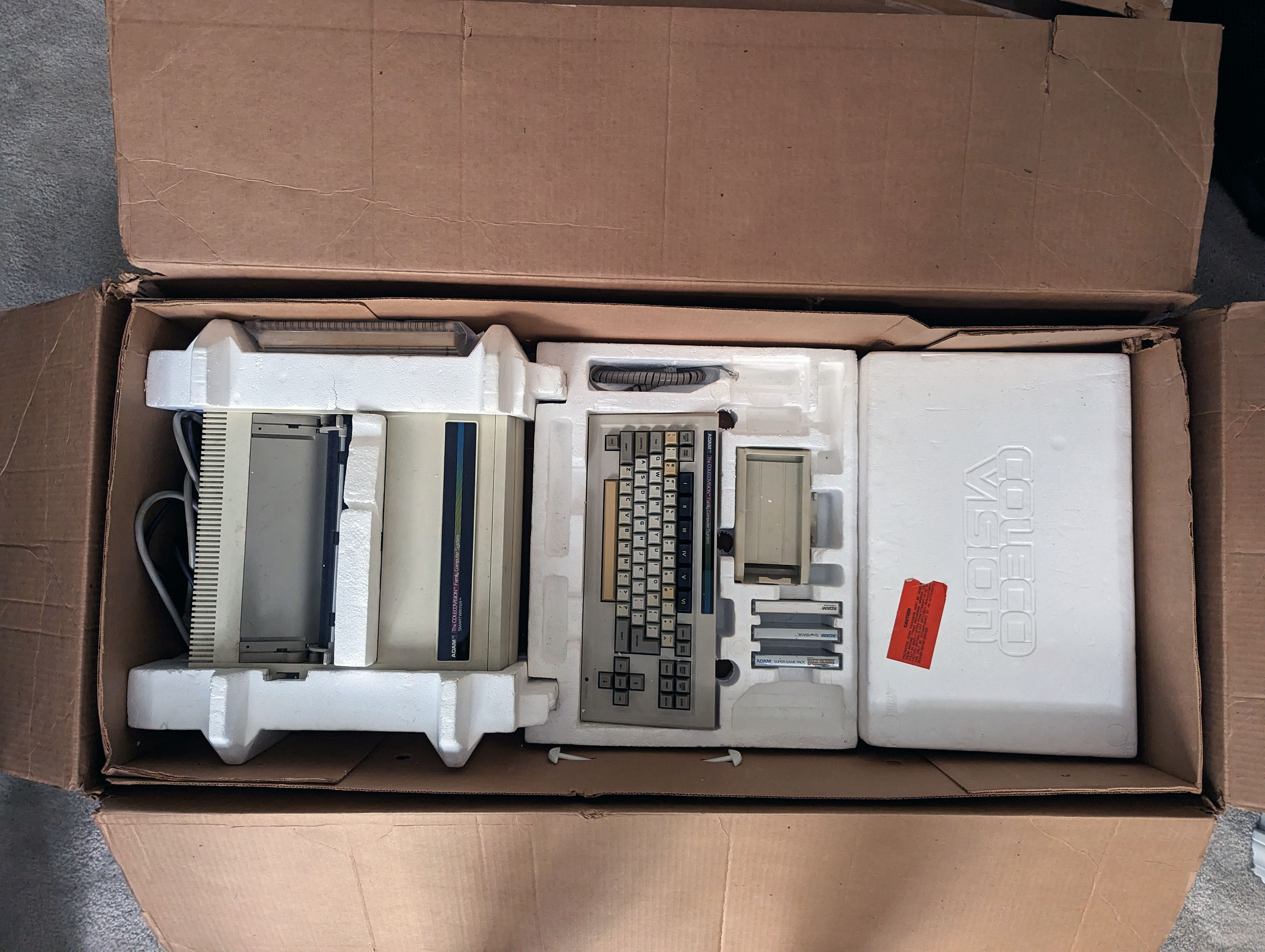
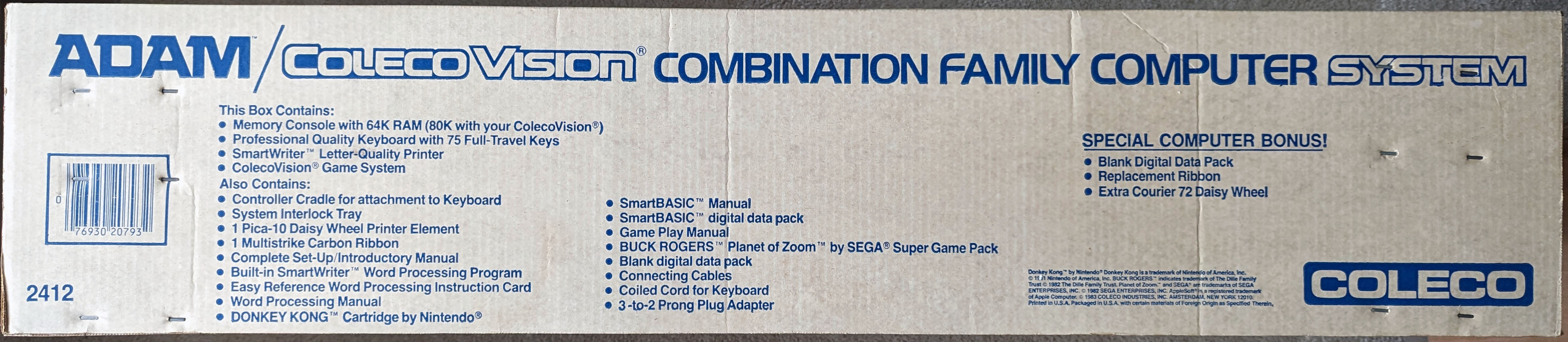
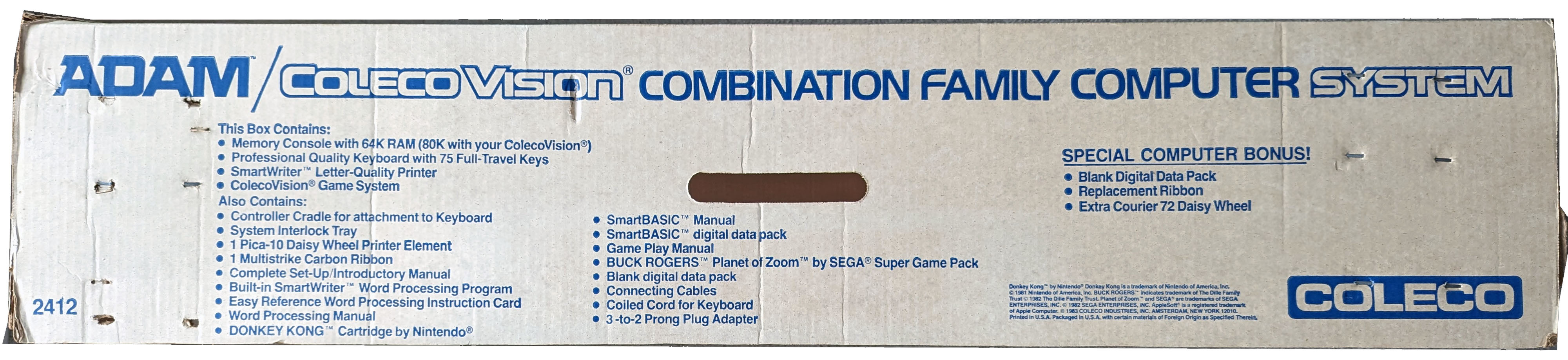
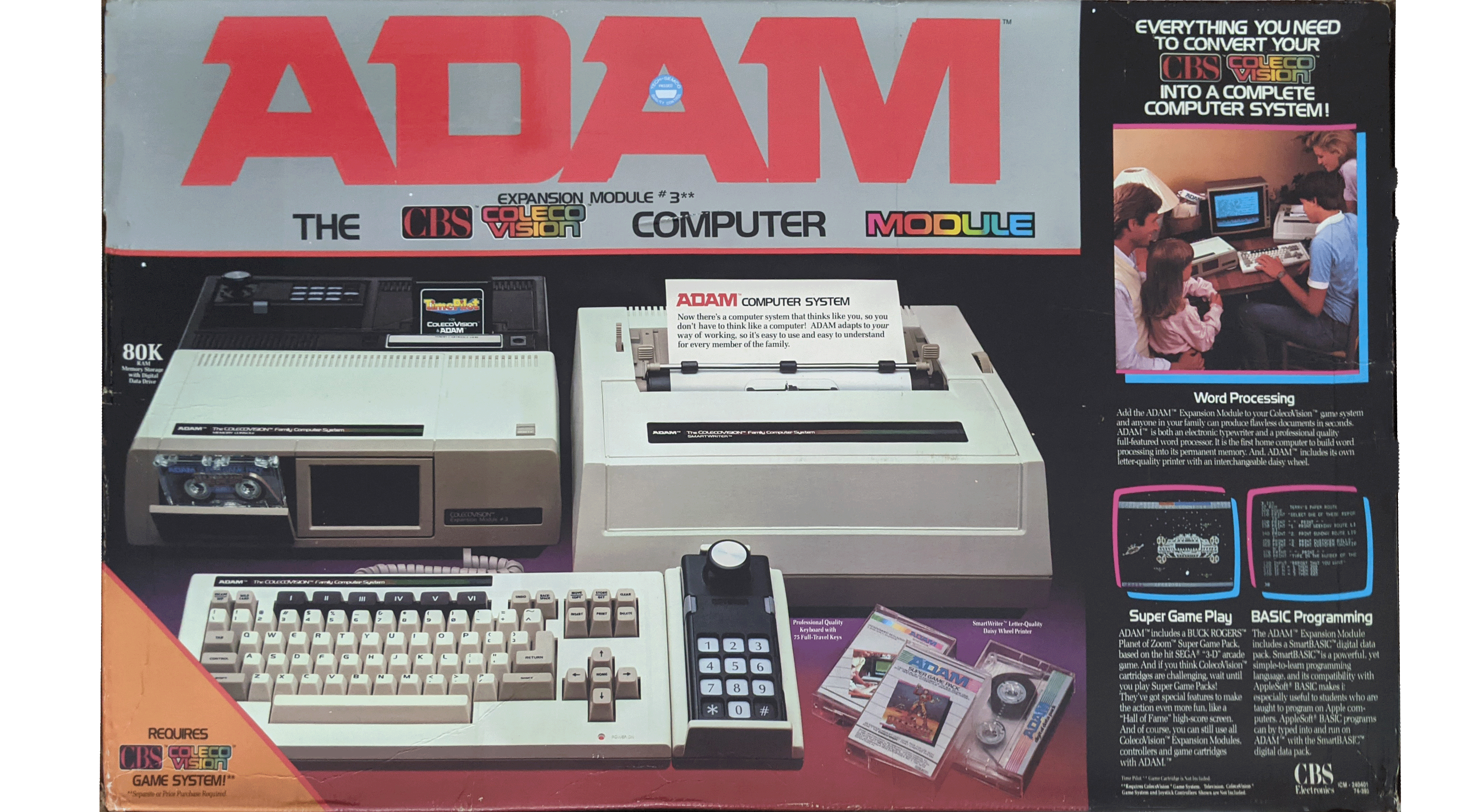
ADAM/ColecoVision Combination Family Computer System Pack
French
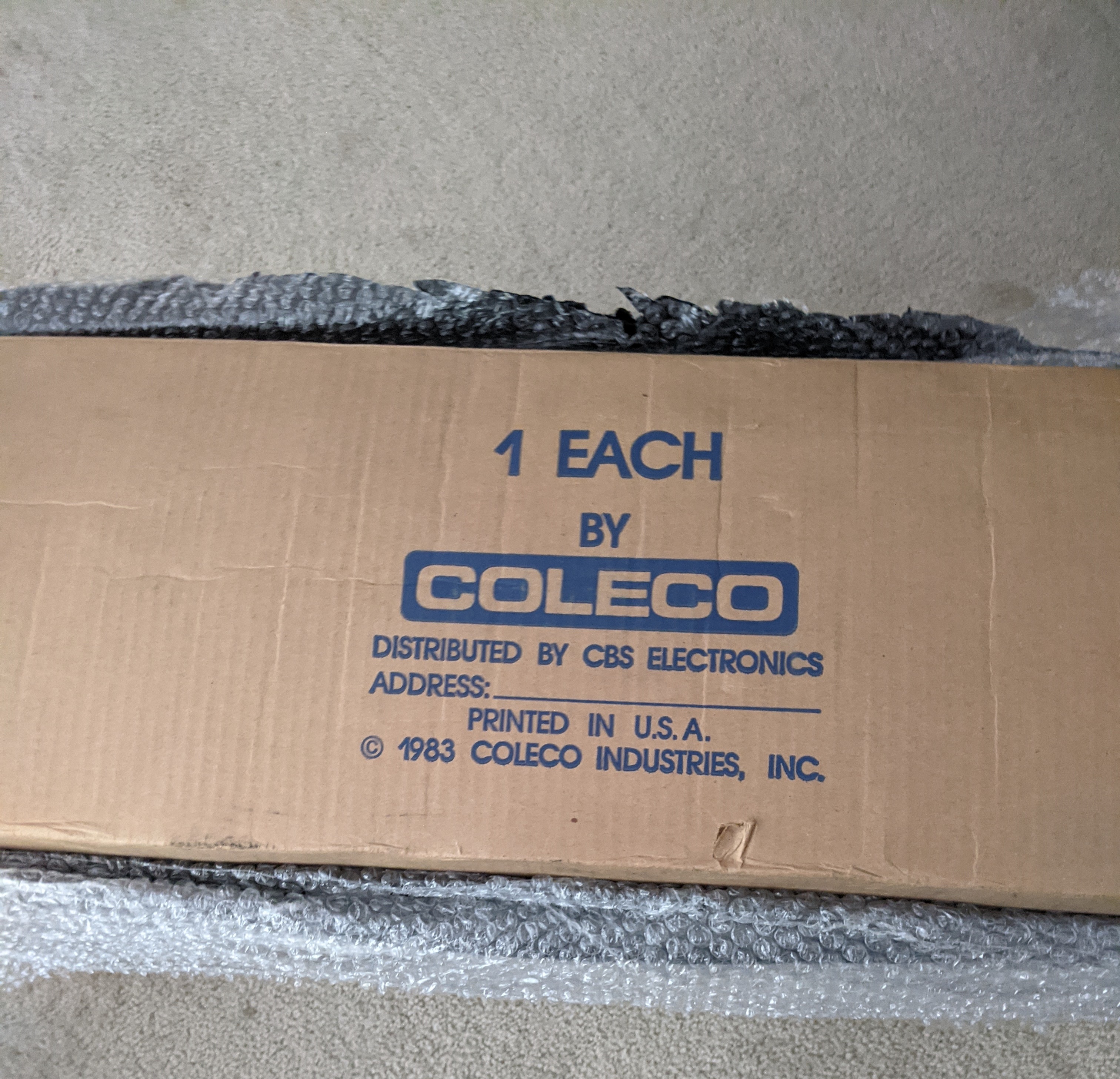
CBS ADAM Expansion Module #3
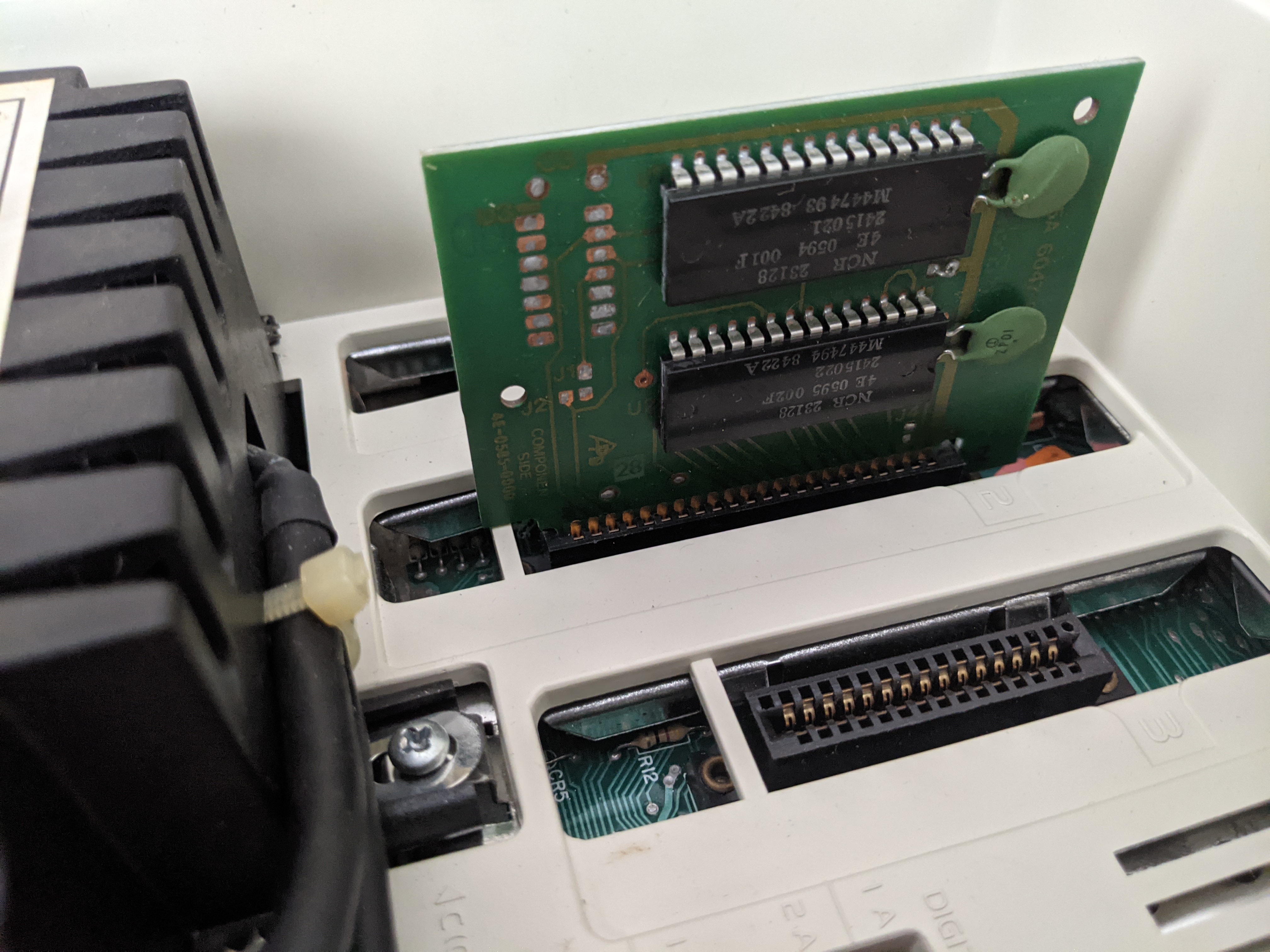
For European ADAMs, Coleco provided "language cards" which had French or German versions of the SmartWriter ROM word processor, including alternate graphics character sets for use with corresponding daisy wheels for the ADAM printer. Three electrical signals necessary to access these language cards are not implemented on ADAMs built for North America. The ROMs themselves, however can be pried out and put into the main ROM sockets on the lower circuit board, thus replacing the English version.
From the archived colecovisionadam.com (DiRoccoVision): original page.