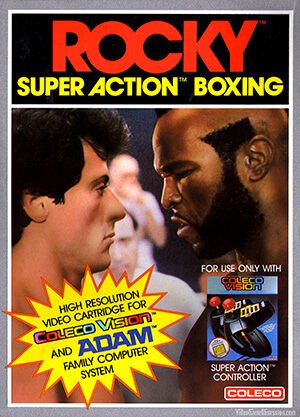
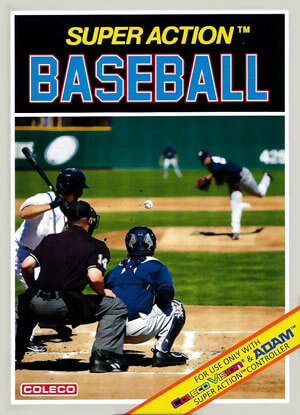
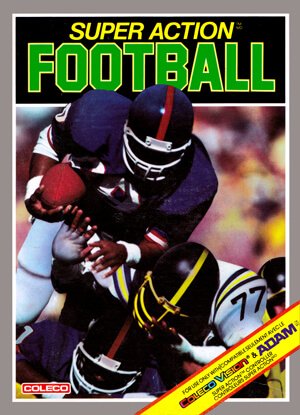
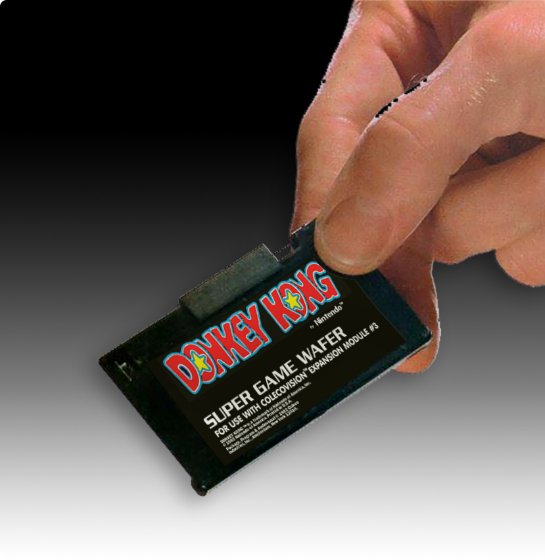
The arcade in your living room
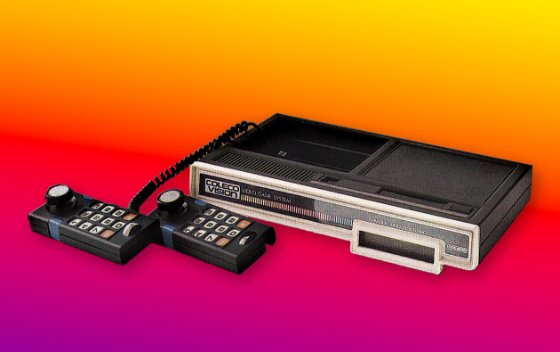
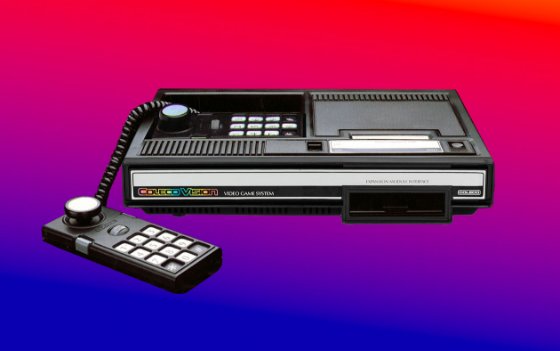
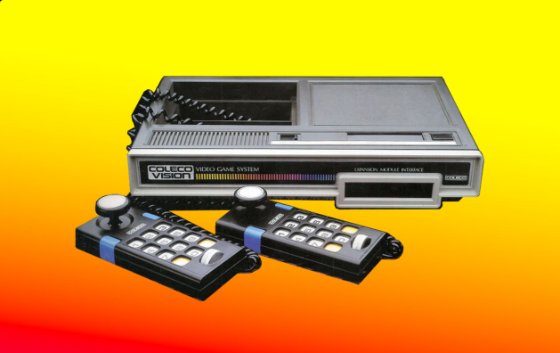
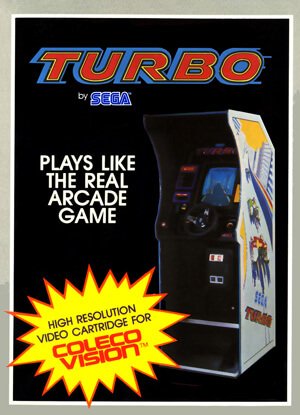
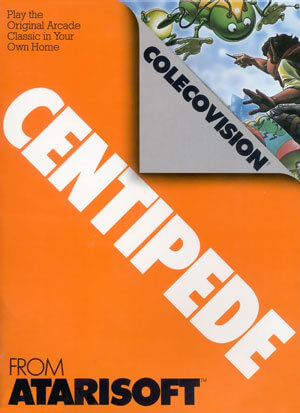
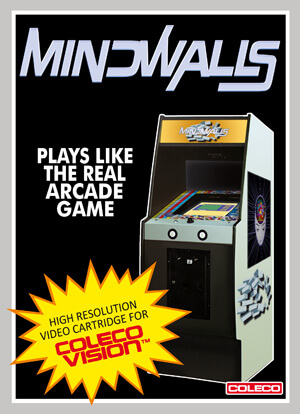
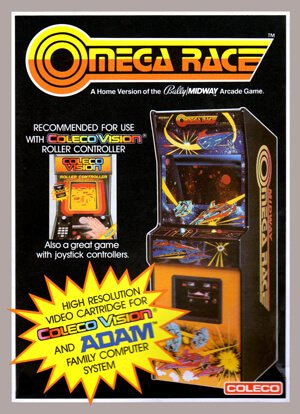
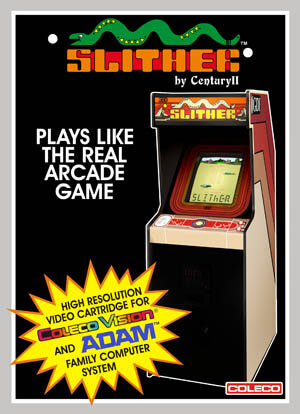
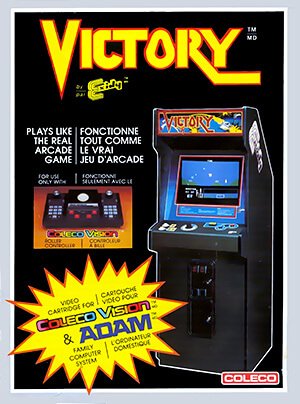
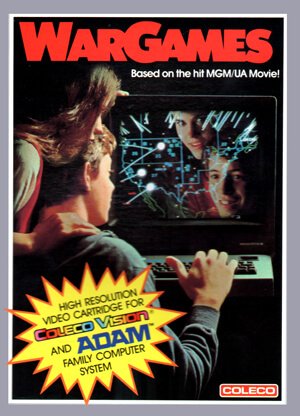
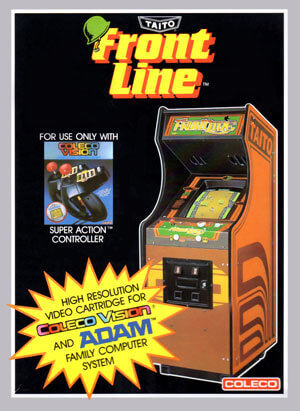
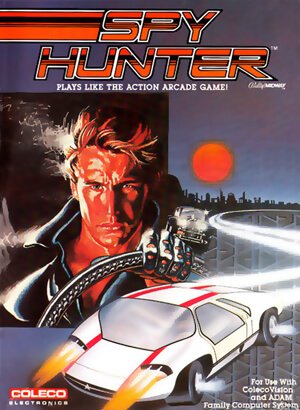
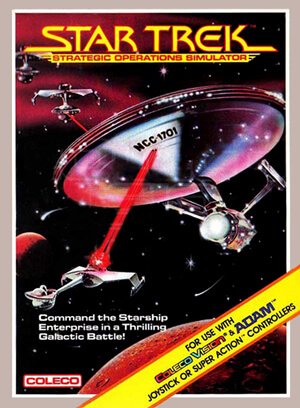
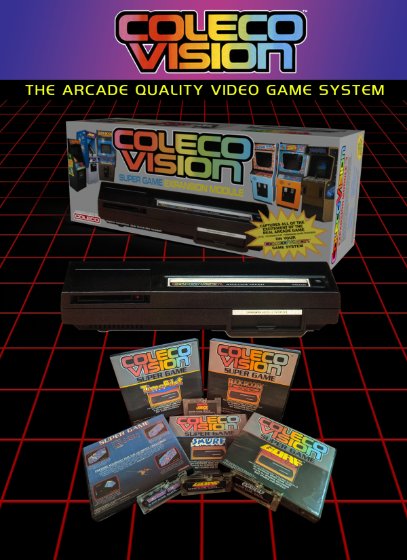
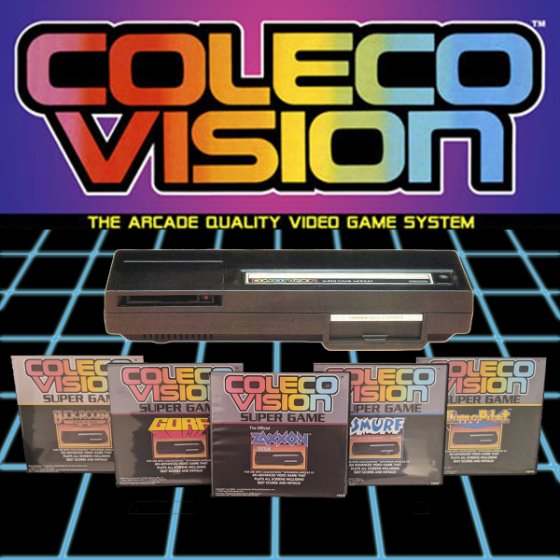
In 1982 Coleco re-entered the video game business with a second-generation console built to take on the Atari 2600. It went on sale in August with twelve games, and a catalog promised more on the way (many were never released). Coleco was the first home video game maker to build most of its line around arcade conversions, using the console's graphics chip to get much closer to the arcade than anything else at home, even if a screen or level was sometimes missing.
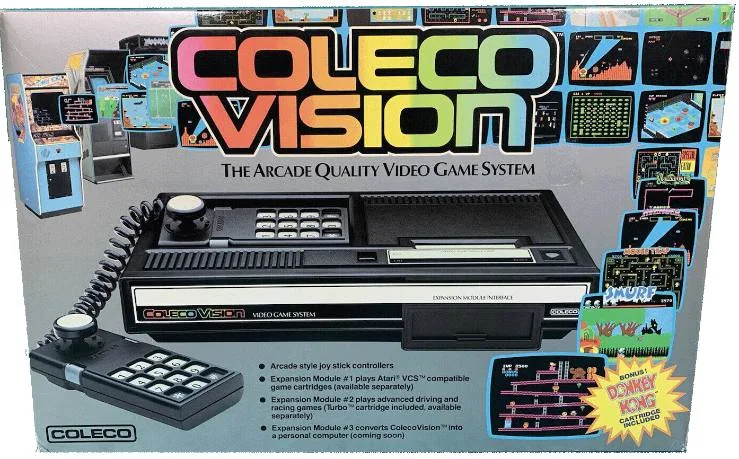
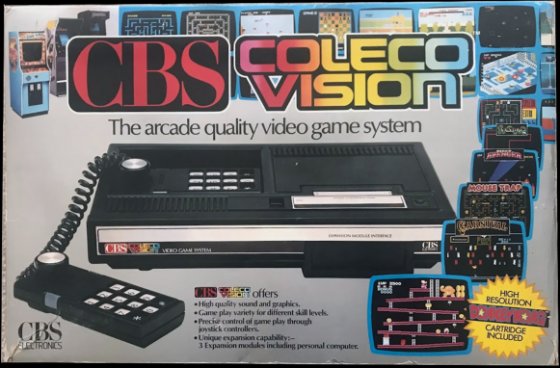
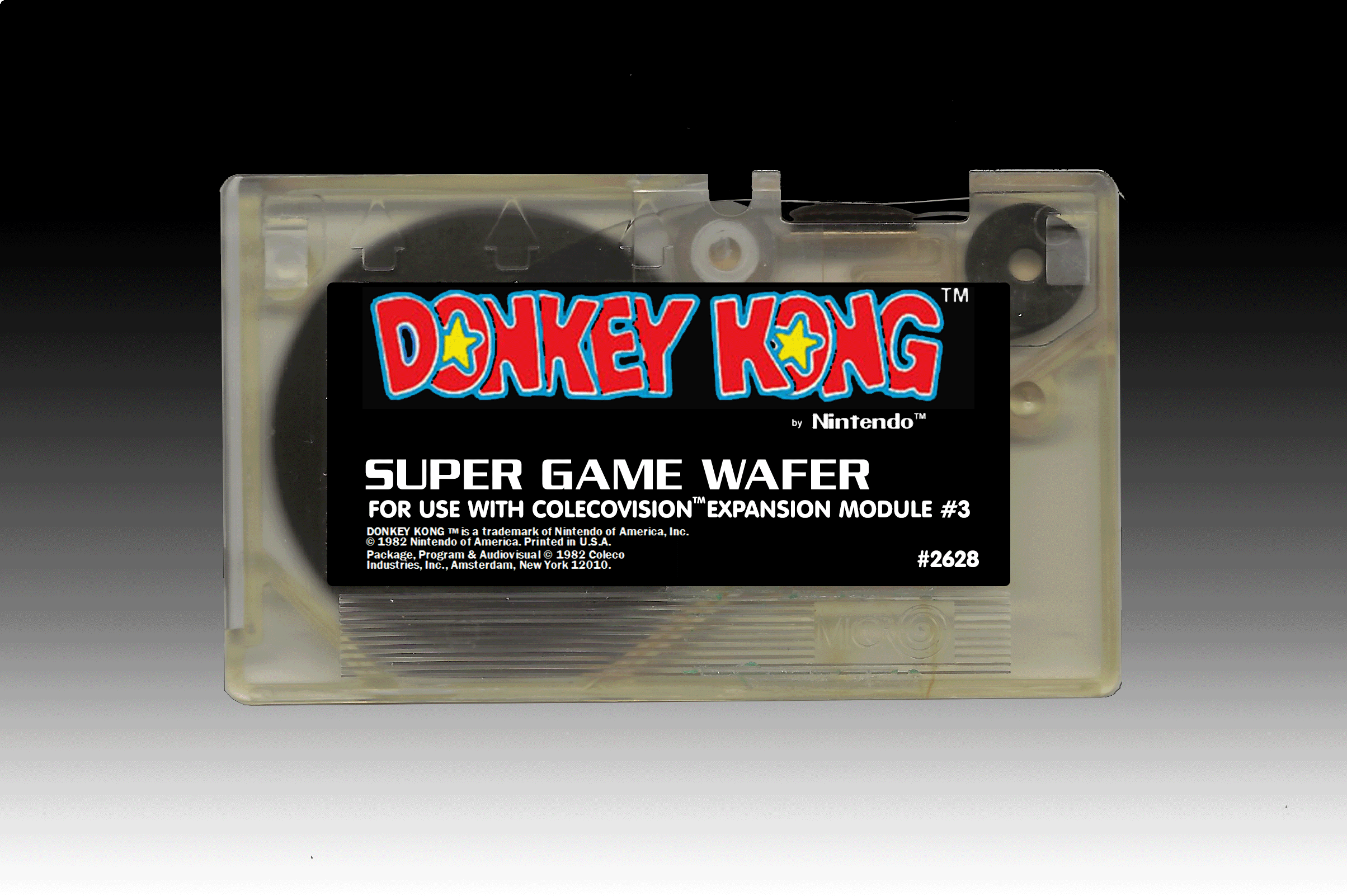
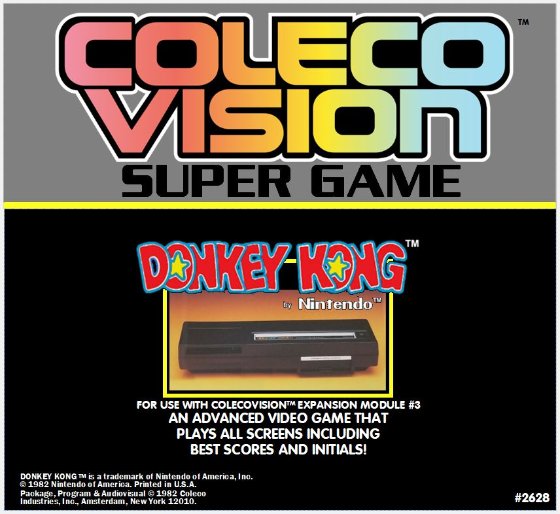
The biggest draw was in the box: Coleco's own conversion of Nintendo's Donkey Kong, the first home console version of the arcade hit. Coleco paid Nintendo a reported $200,000 up front plus about $2 per cartridge for the rights. Demand outran supply that first Christmas: more than 500,000 consoles were sold by the end of 1982, and sales passed one million early in 1983. Coleco's revenue nearly tripled in 1982, from about $178 million to roughly $500 million.
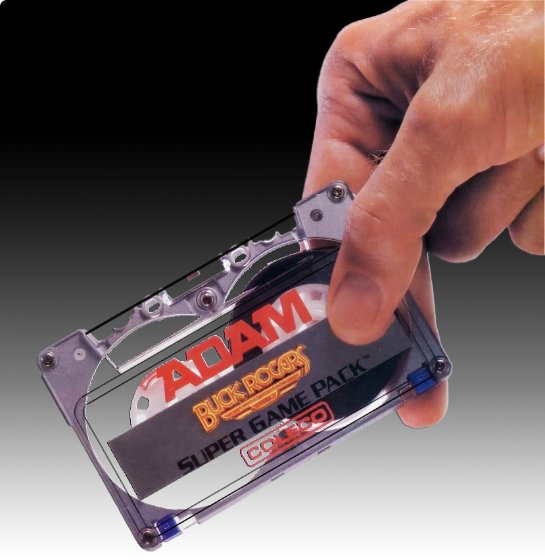
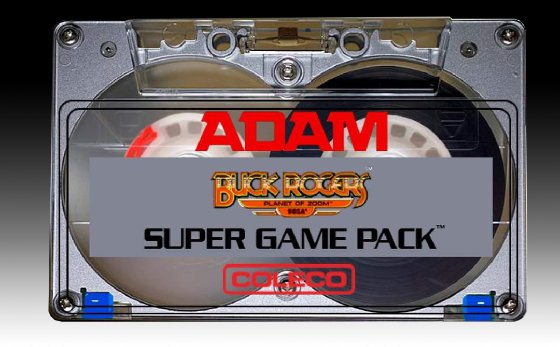
Then came the video game crash of 1983–84. Coleco's ADAM computer, launched late in 1983 and plagued by problems, made things worse. Coleco left the video game business in 1985, after selling more than two million ColecoVisions. Its last few titles barely reached stores, and Telegames bought up much of the remaining stock and later released a few games of its own.
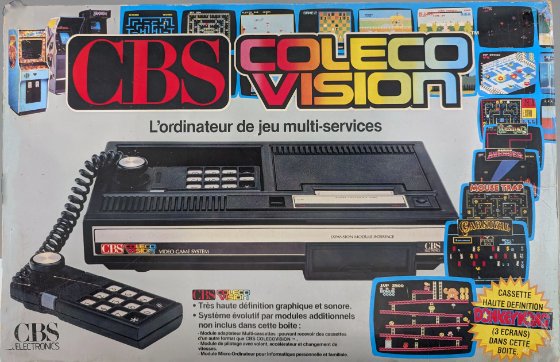
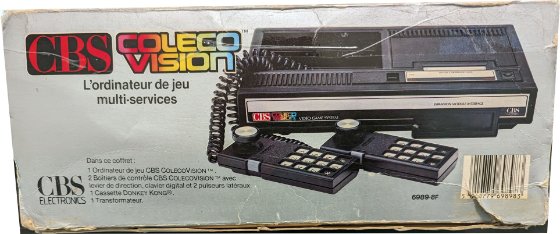
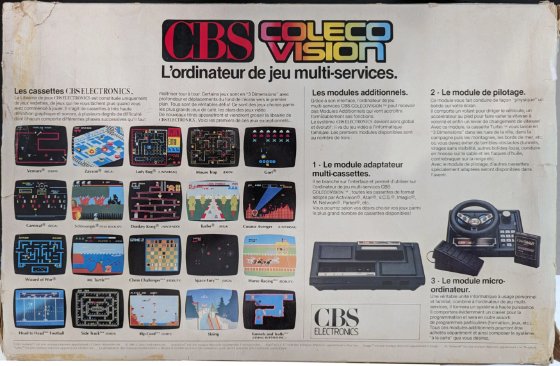
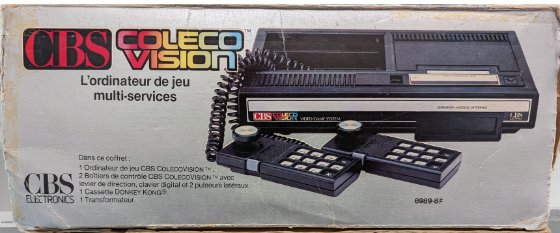
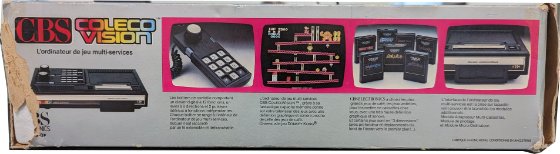
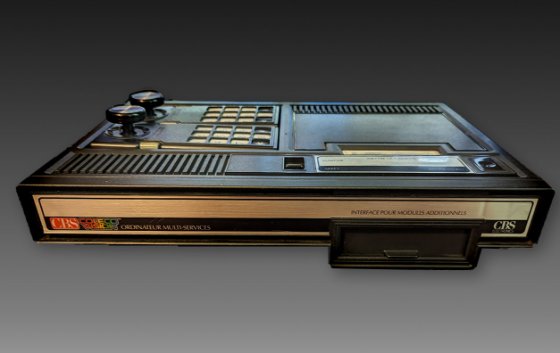
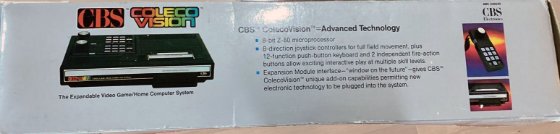
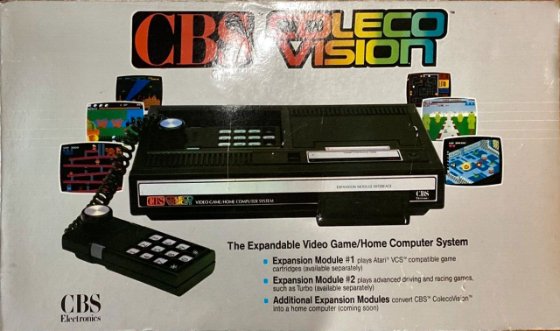
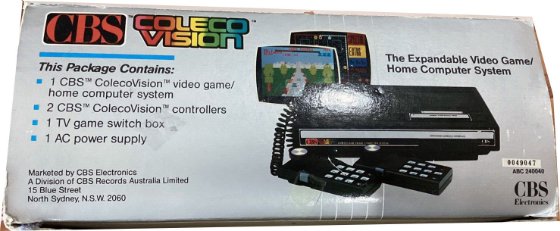
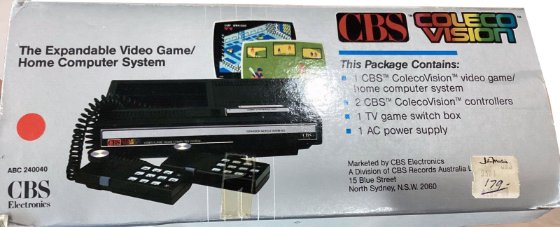
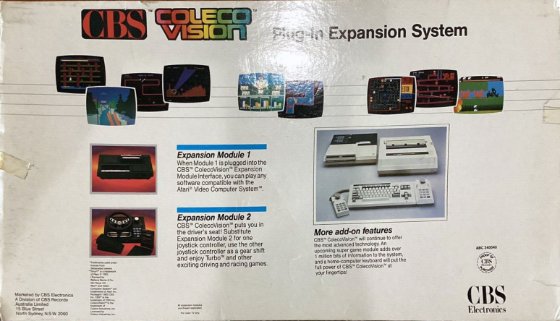
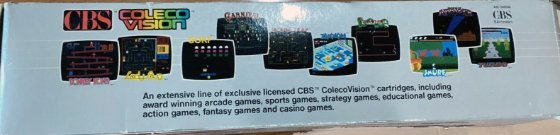
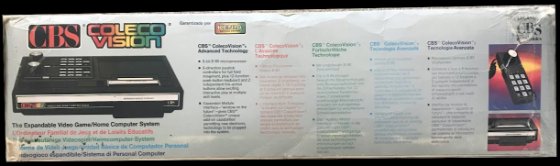
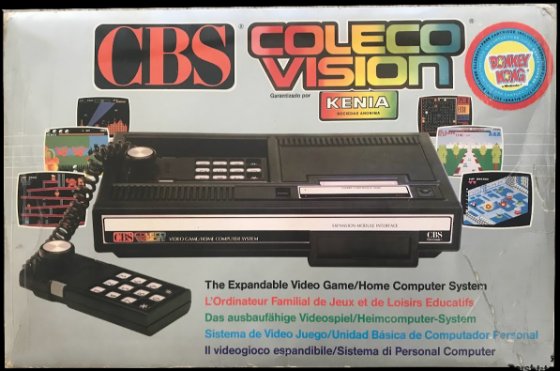
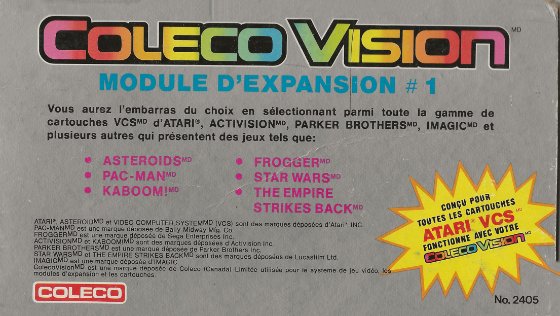
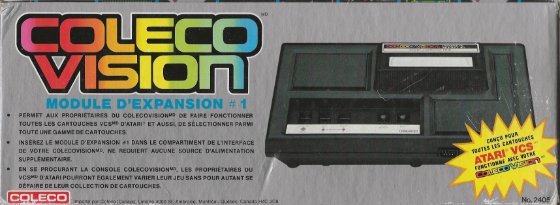
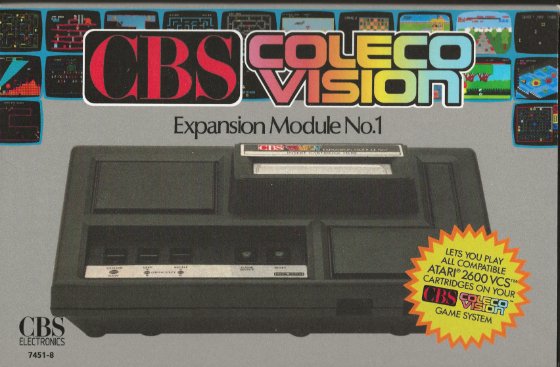
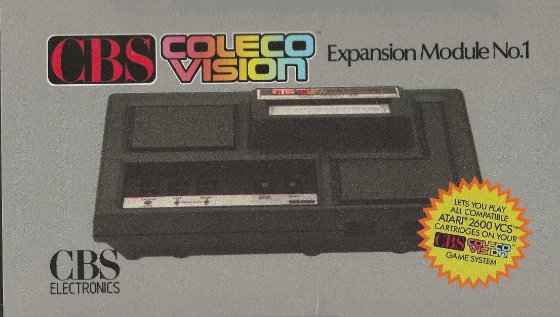
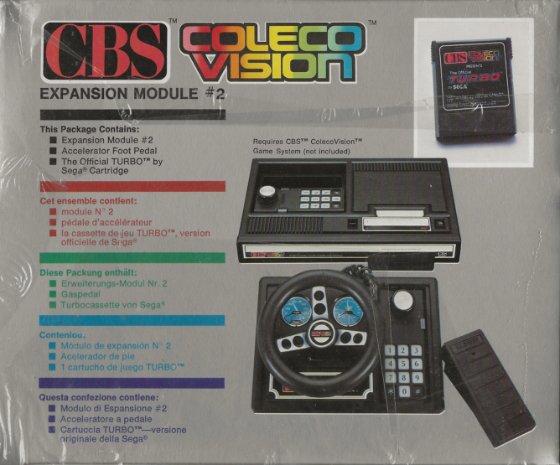
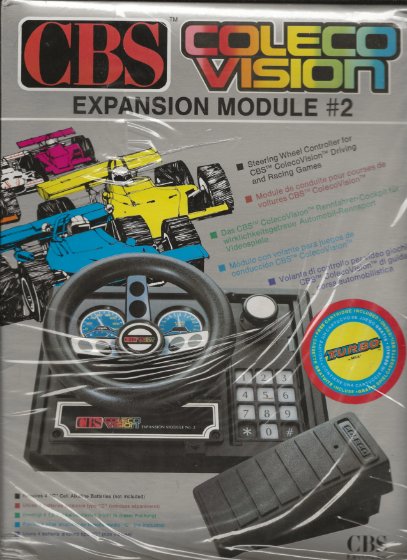
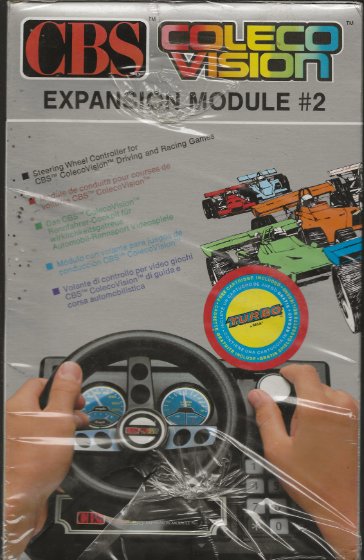
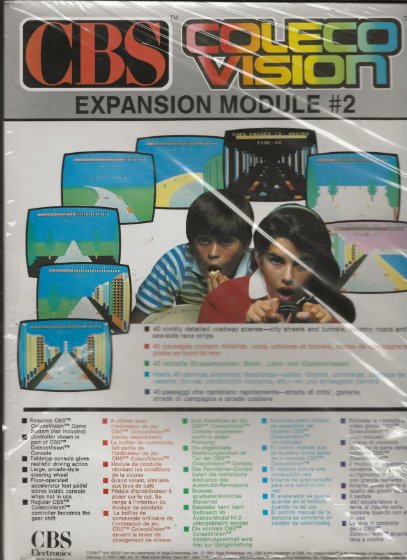
Tour the box
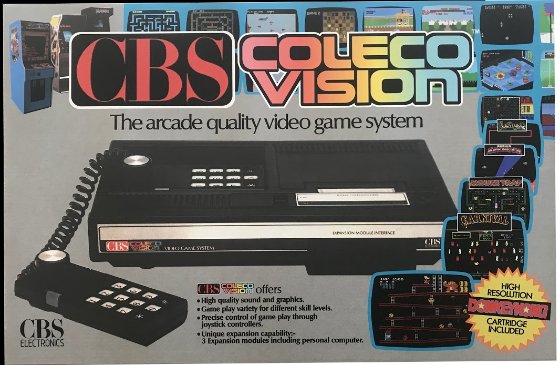
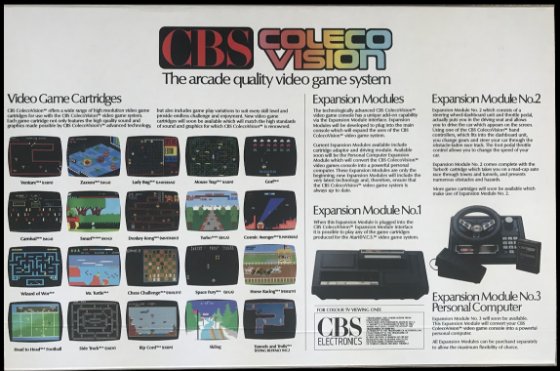
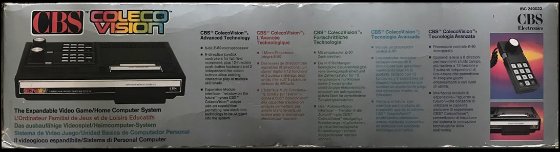
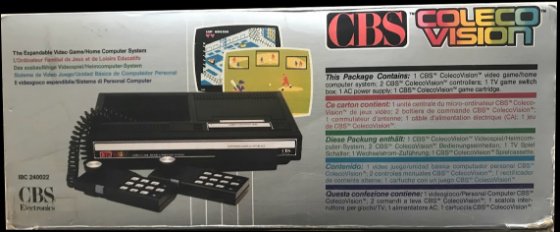
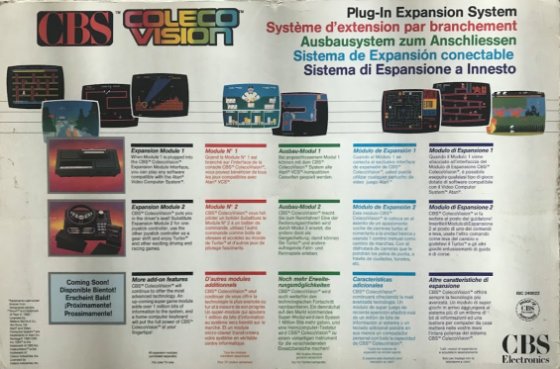
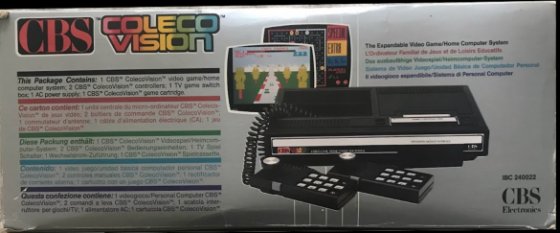
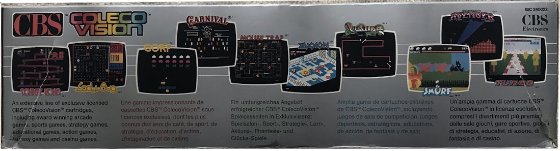
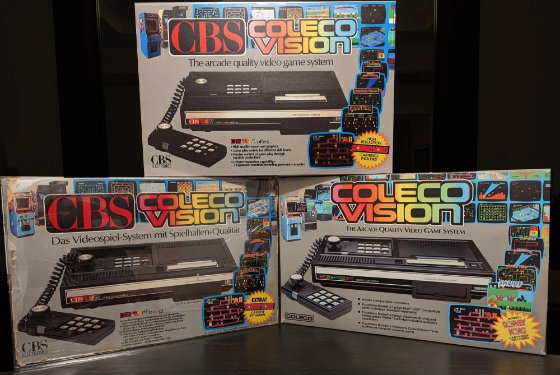
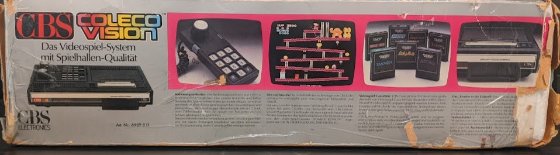
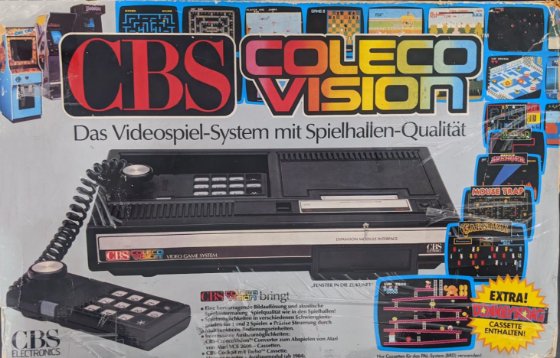
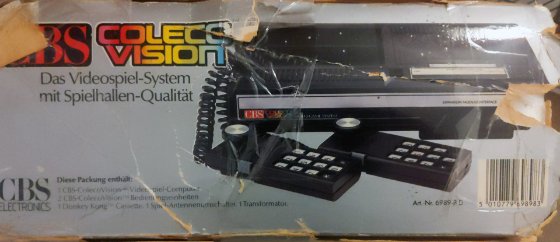
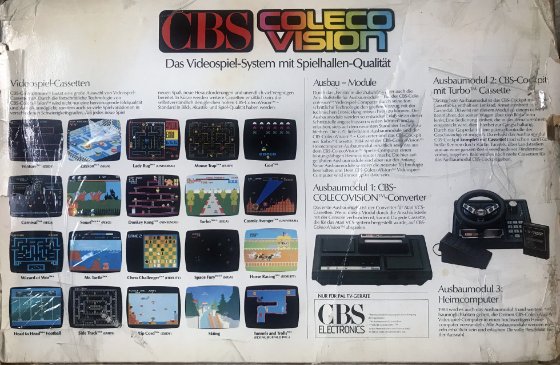
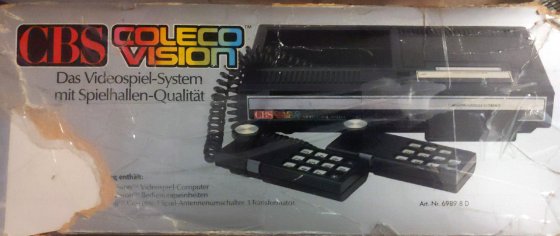
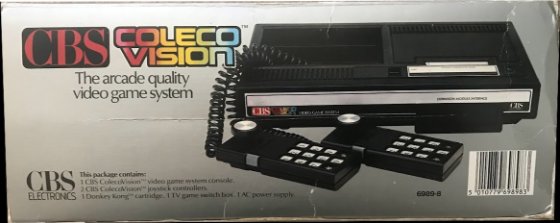
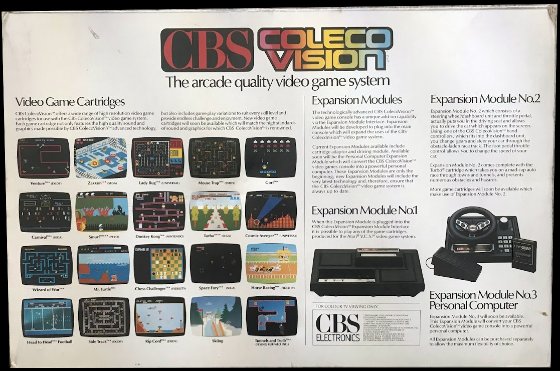
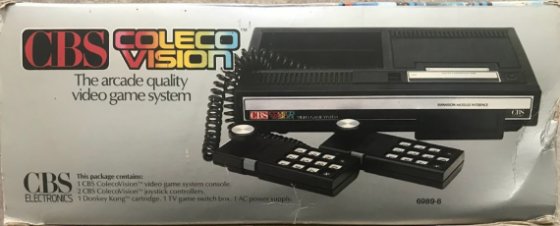
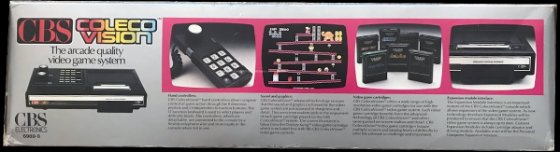
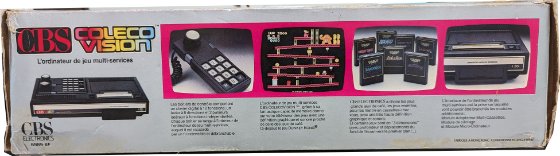
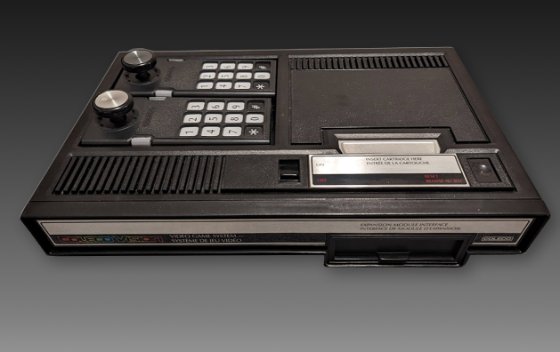
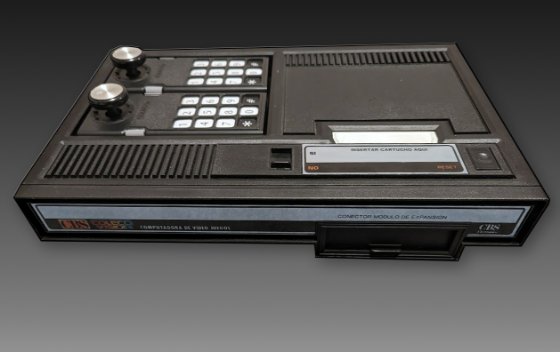
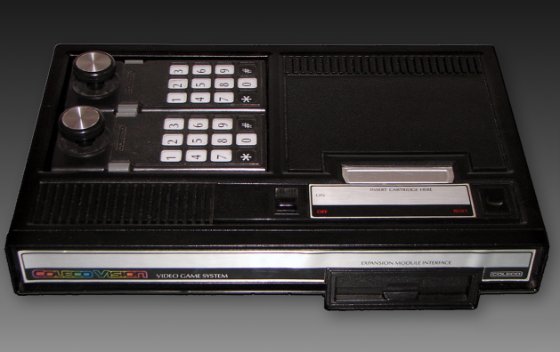
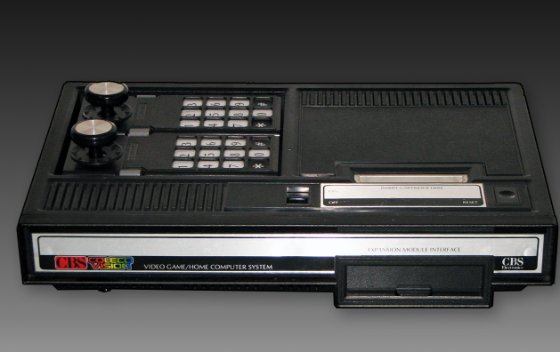
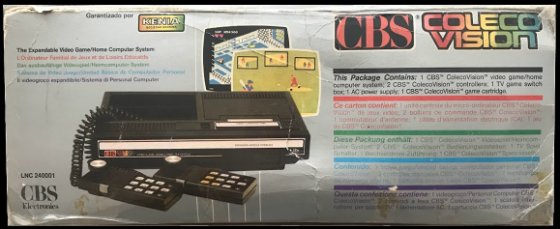
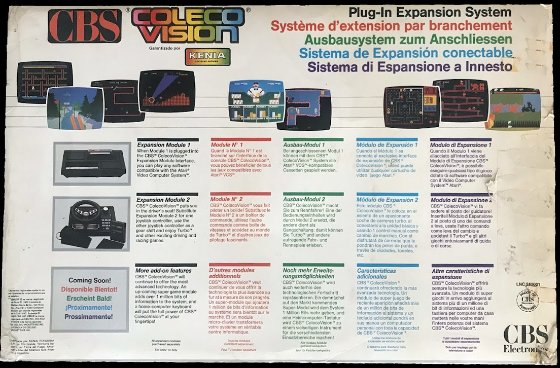
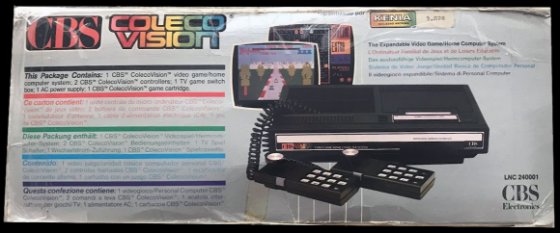
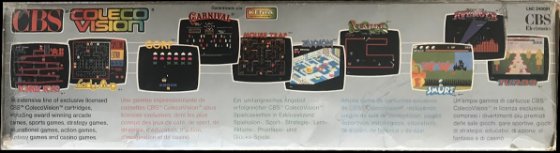
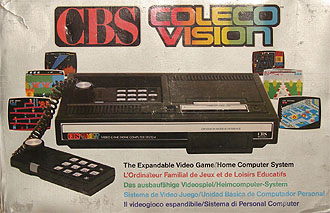
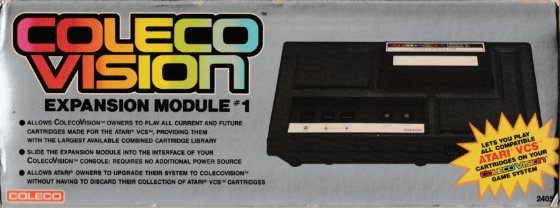
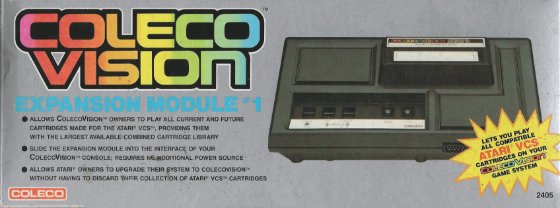
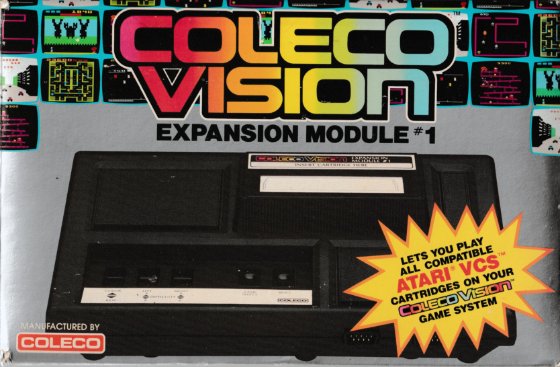
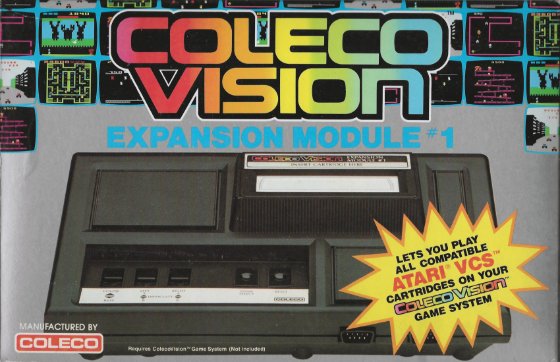
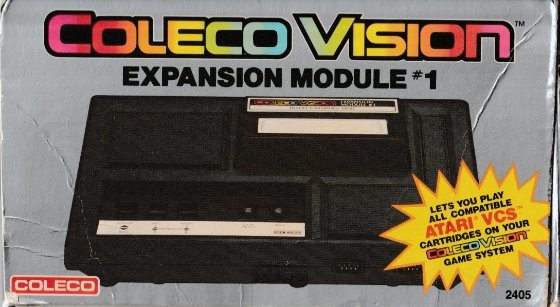
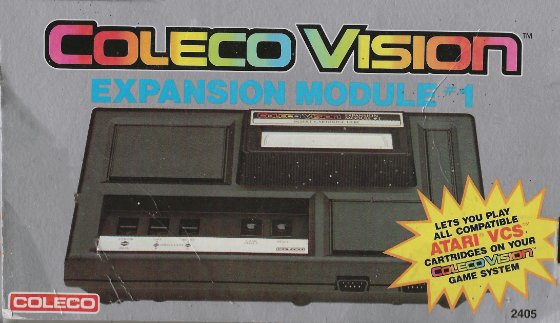
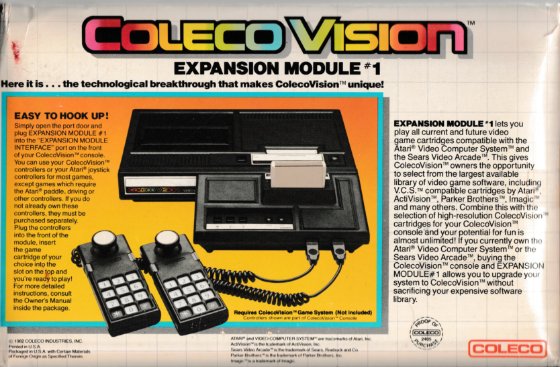
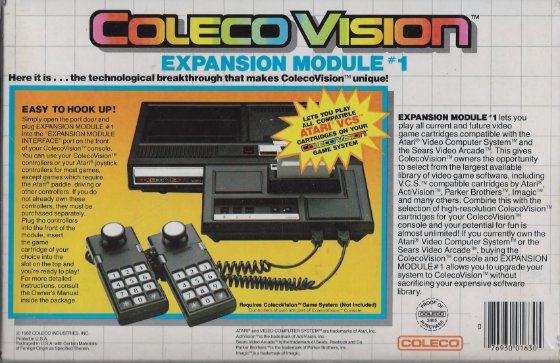
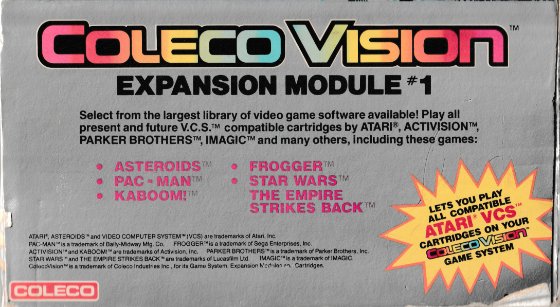
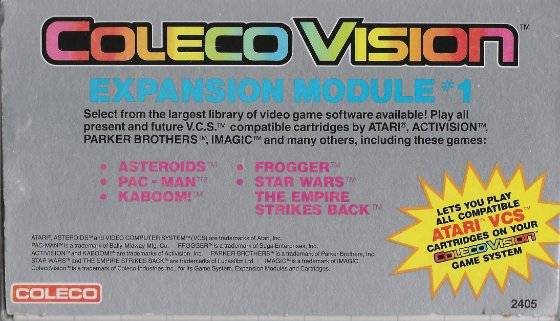
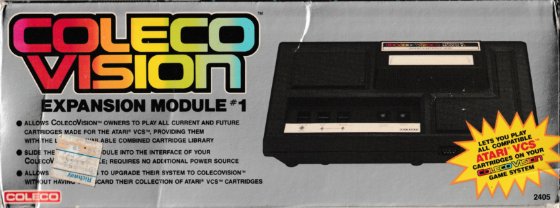
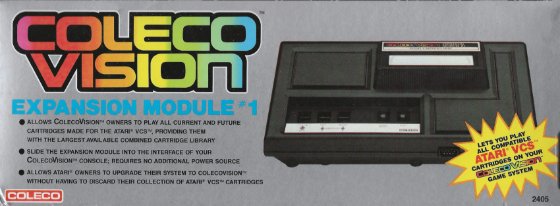
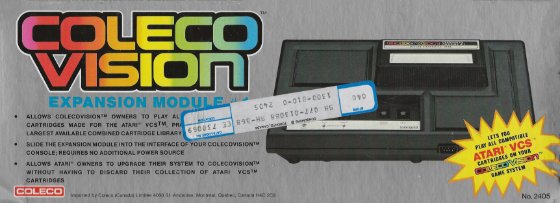
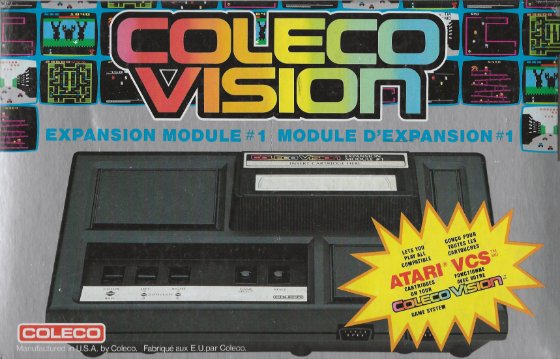
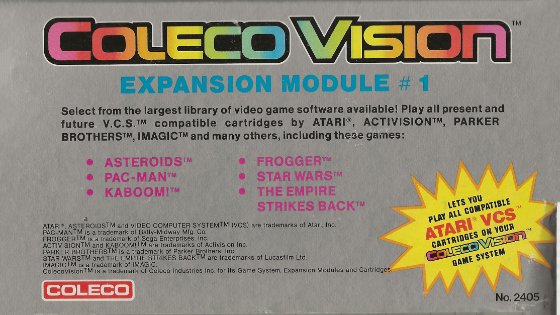
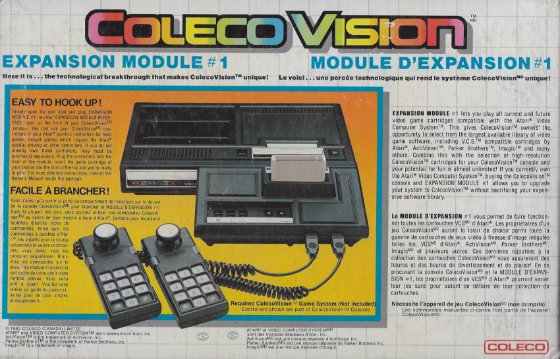
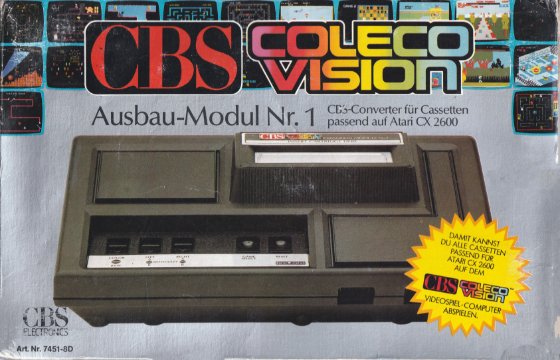
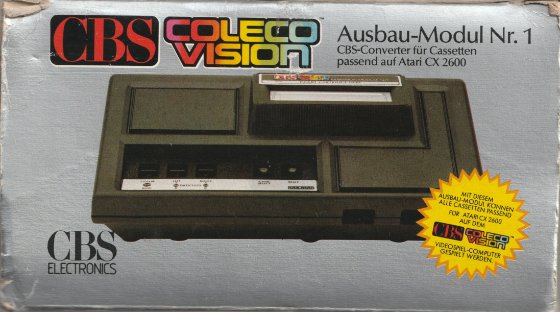
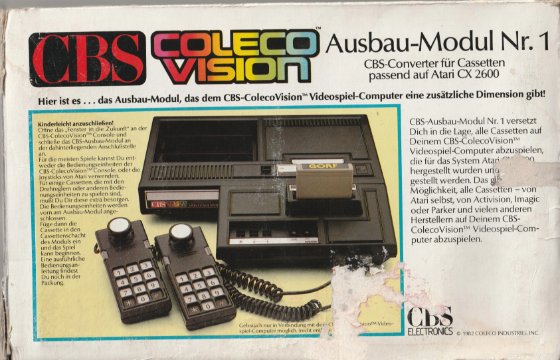
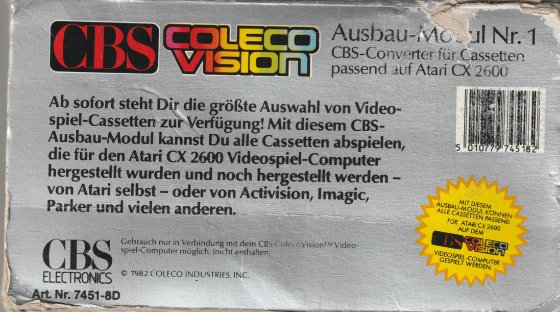
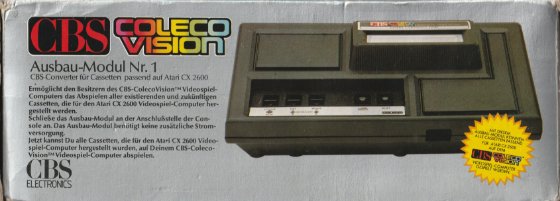
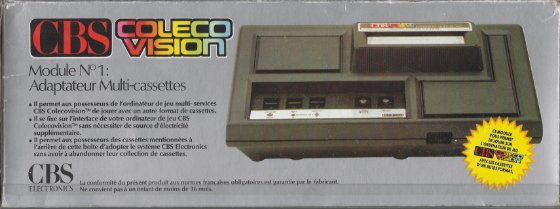
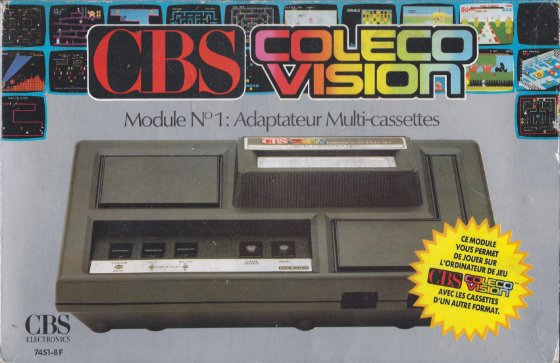
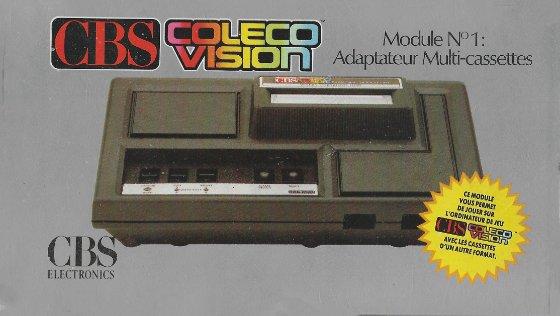
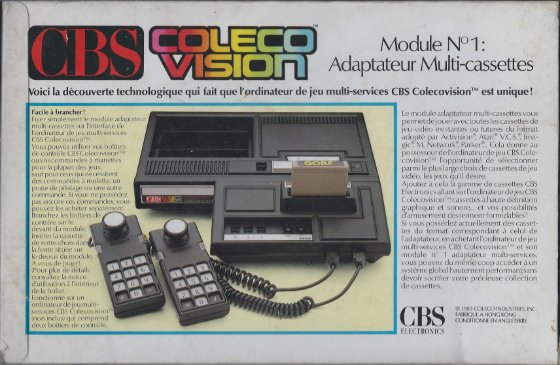
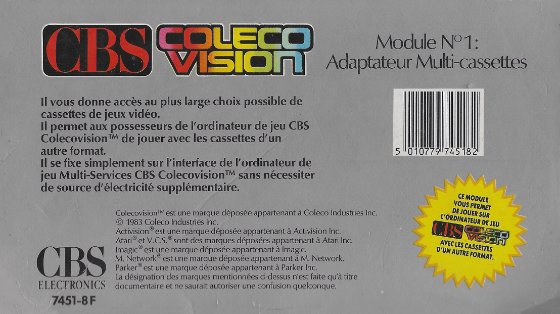
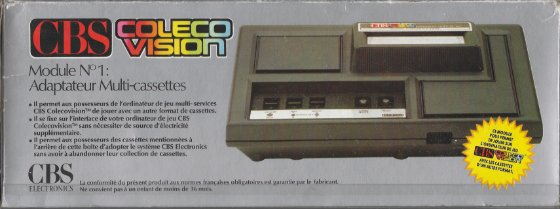
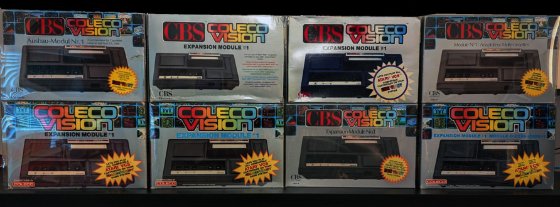
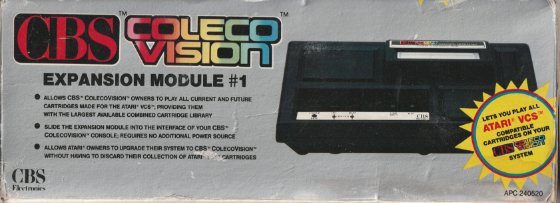
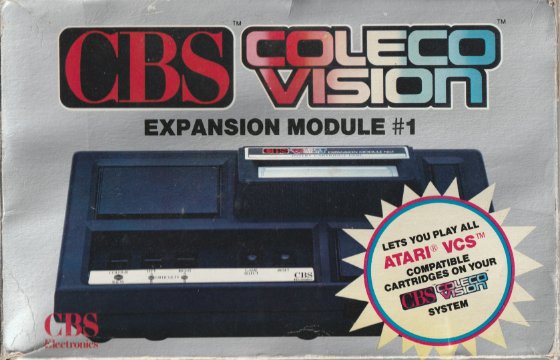
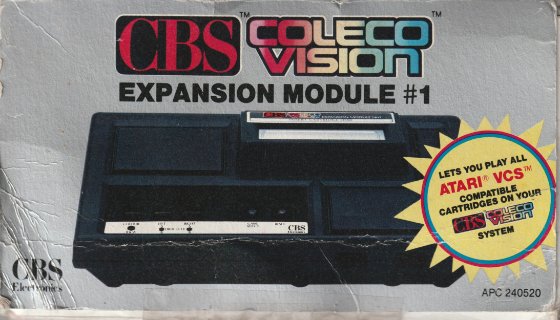
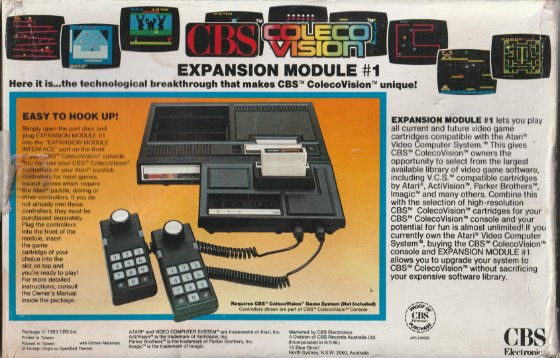
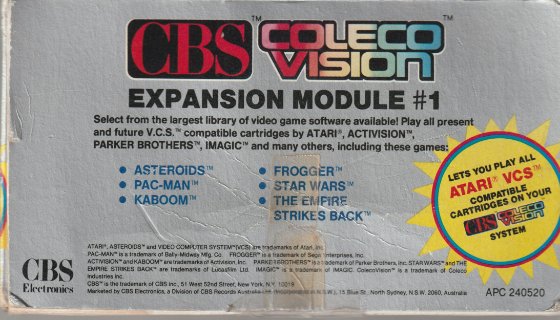
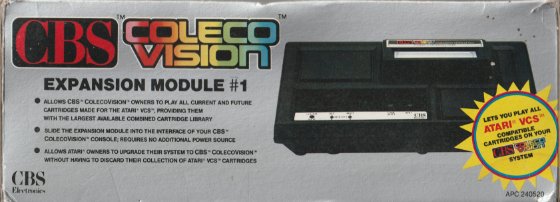
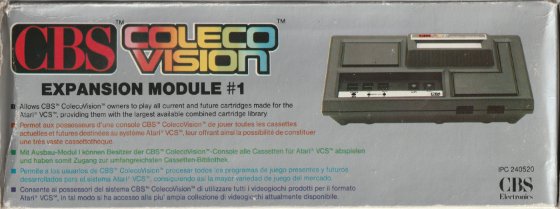
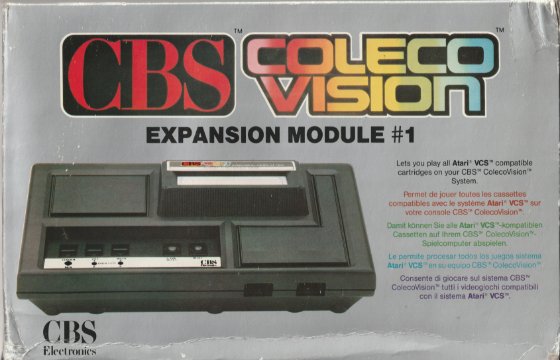
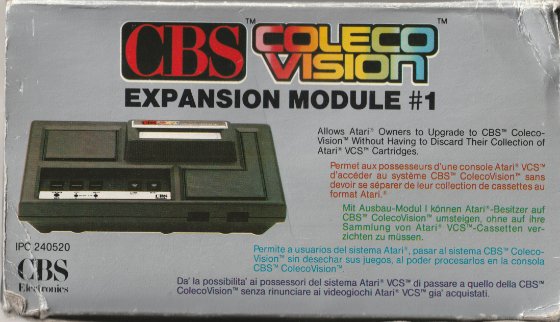
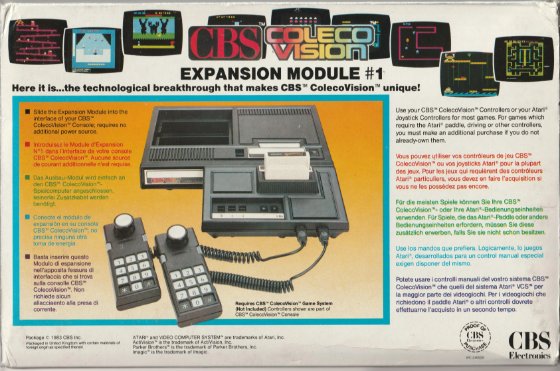
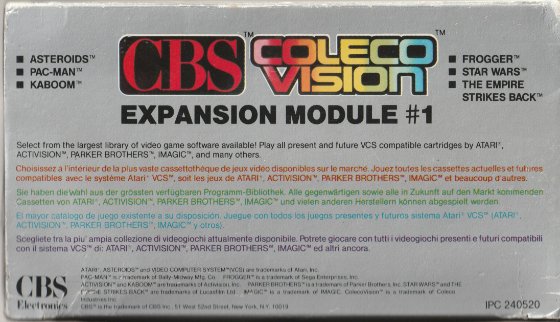
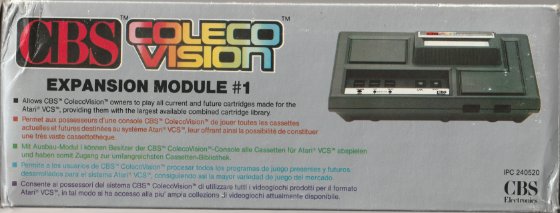
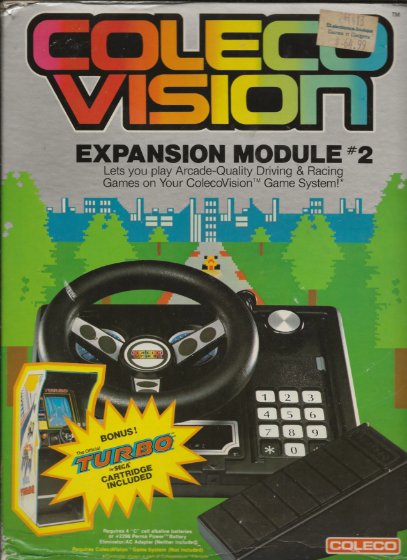
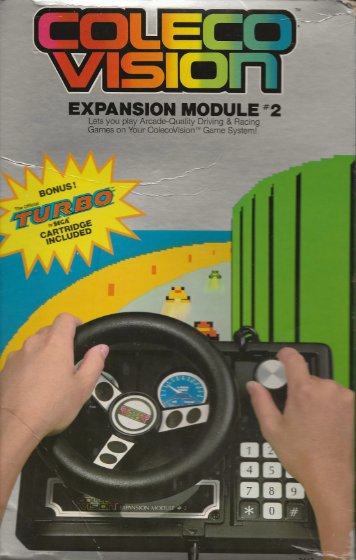
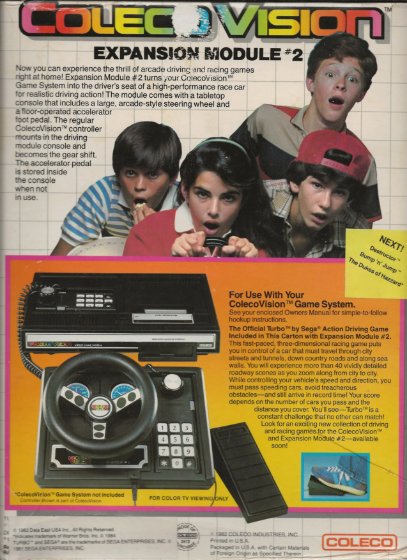
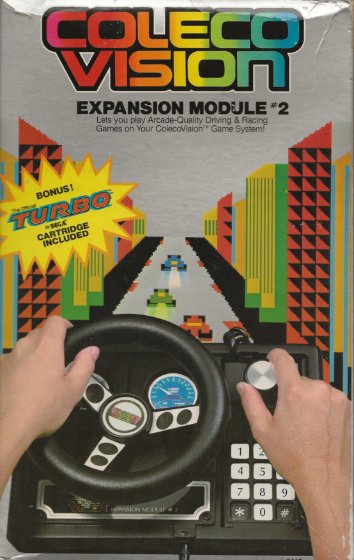
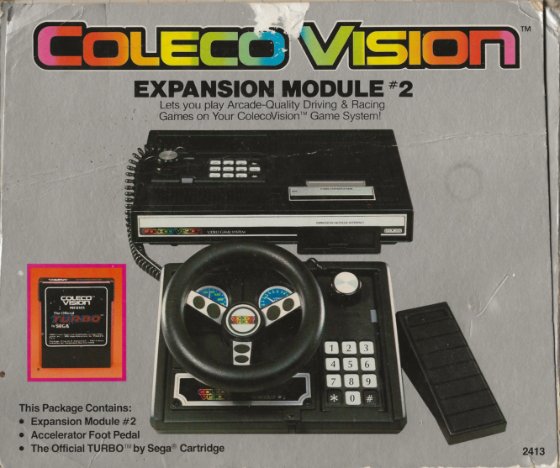
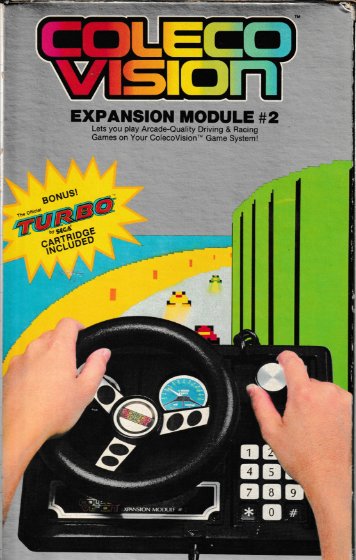
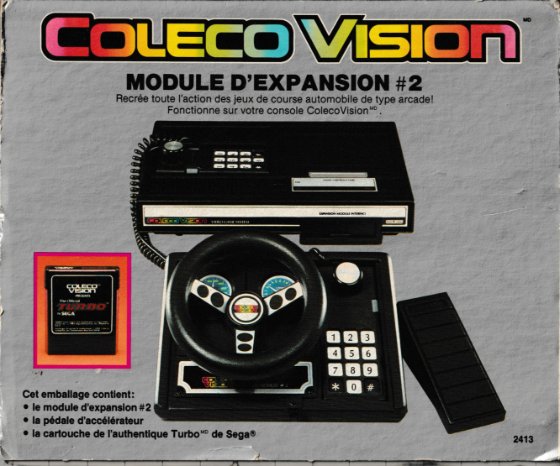
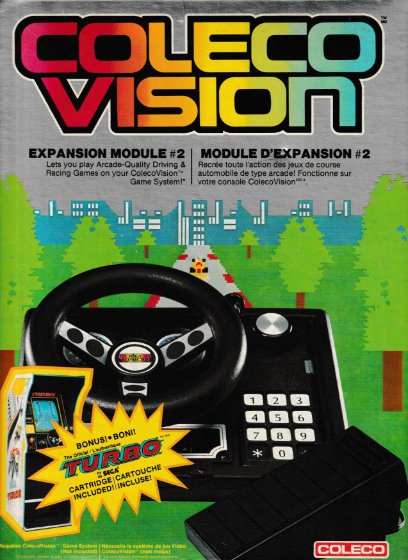
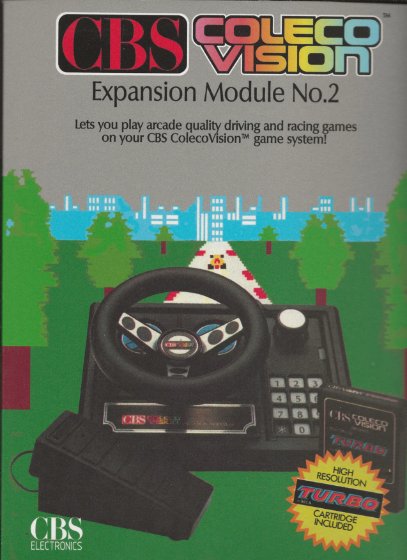
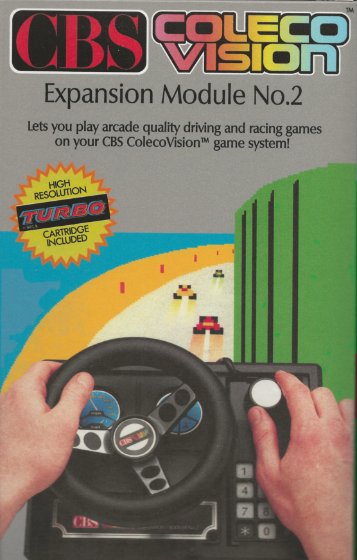
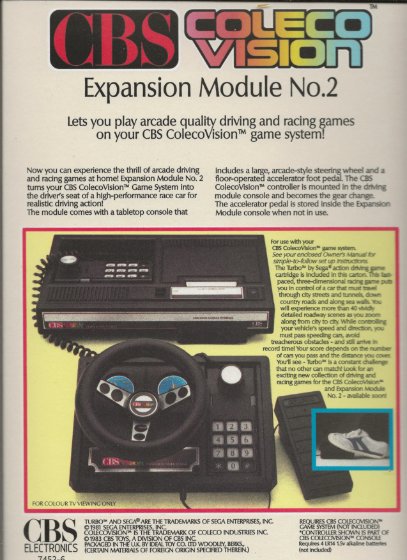
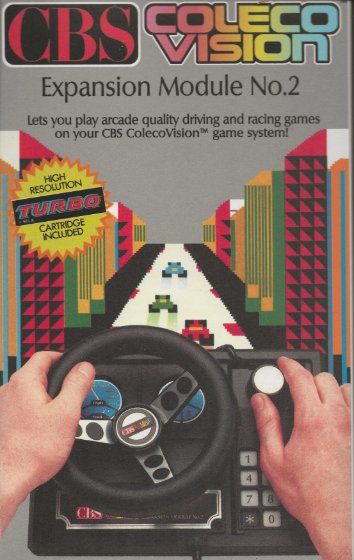
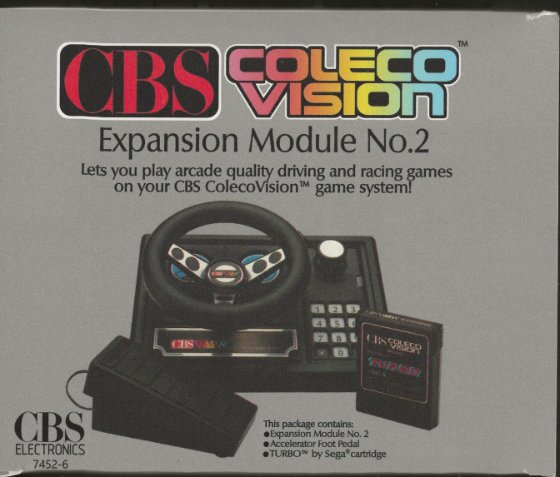
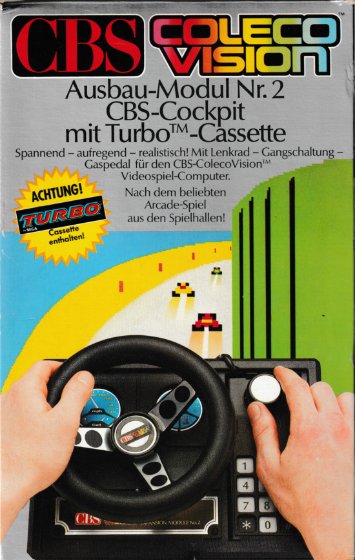
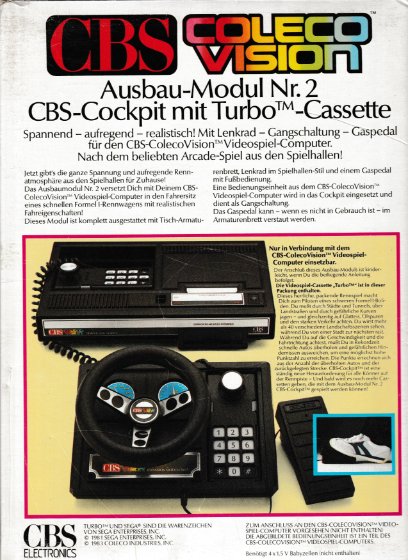
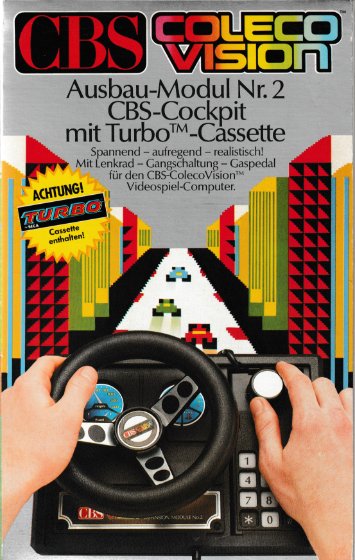
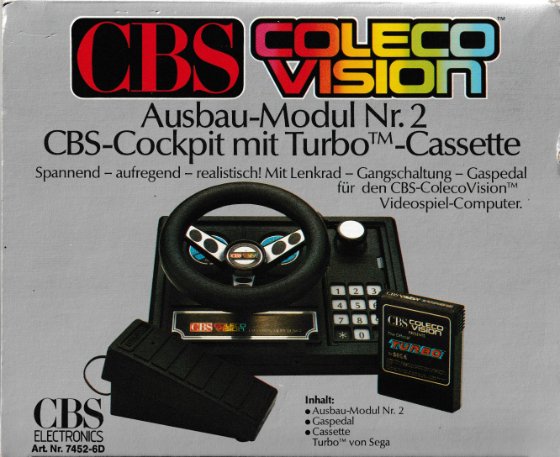
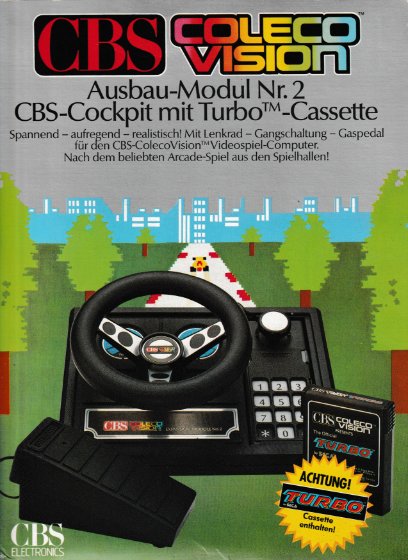
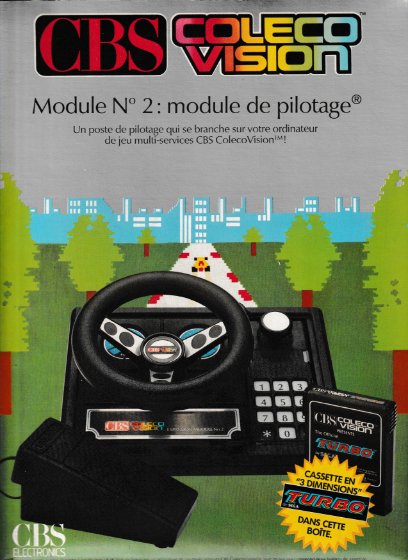
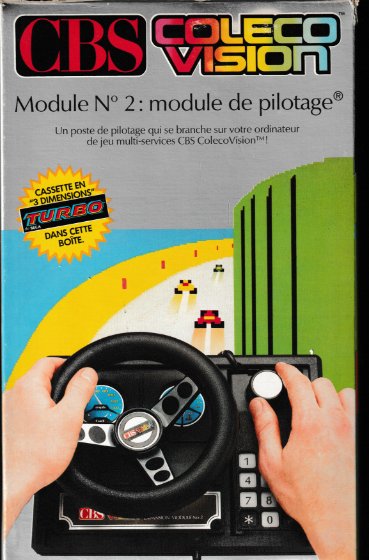
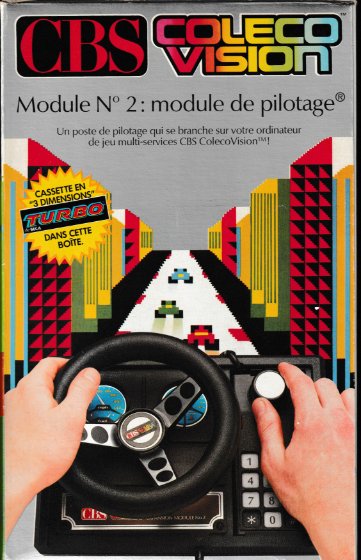
An original 1982 ColecoVision box, from every side. Pick a view.


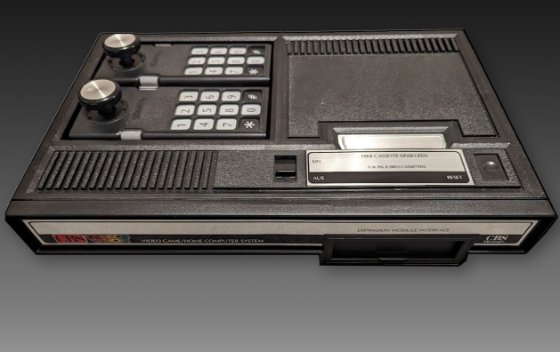
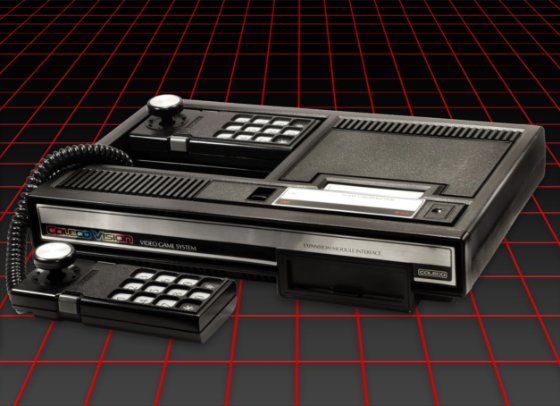
What's what on the console
Point at (or tap) a number to see what it is.
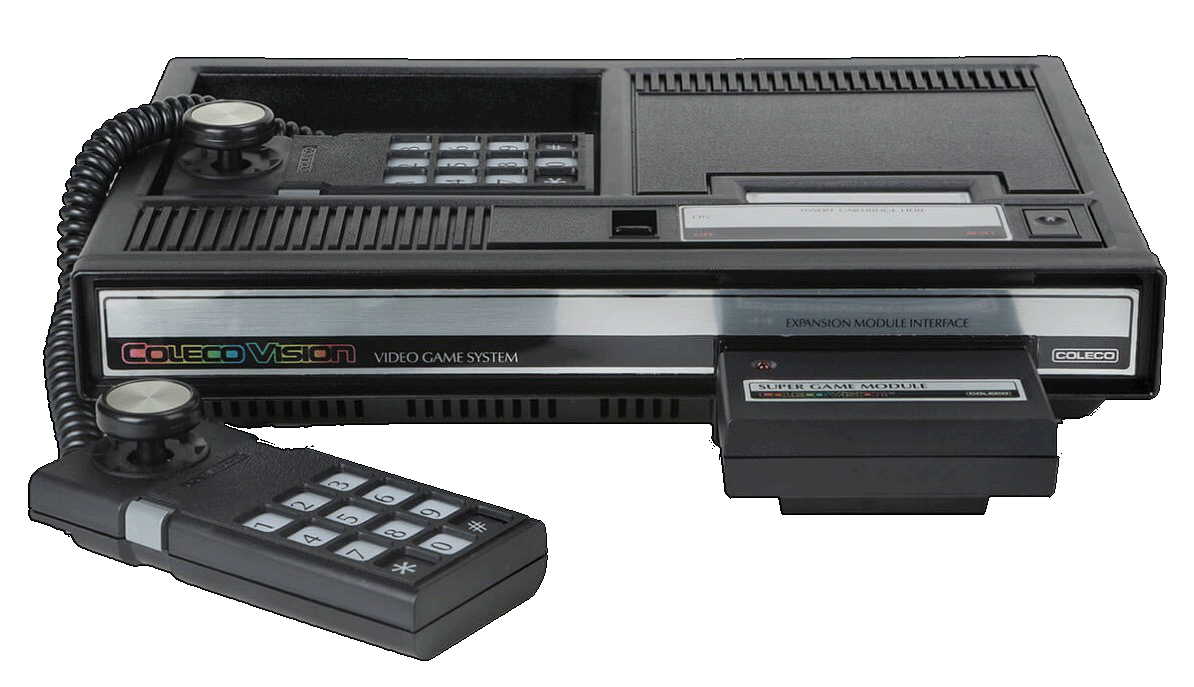
- Controller bay. The two hand controllers clip into the top of the console, keypads up, with their coiled cords. Original controllers
- Cartridge slot. Games plug in here, label facing the front.
- Power switch. The ON/OFF slider at the left of the silver panel.
- Reset button. Restarts the game without turning the console off.
- Vents. Cooling slots on the top; the console runs warm, so keep them clear.
- Power supply. The external power brick. Original supplies are old now; see Mods & Repairs for safe replacements.
- TV switch box. Connects the console to the TV's antenna terminals and switches between TV and game.
- Donkey Kong. The pack-in cartridge that sold the system.
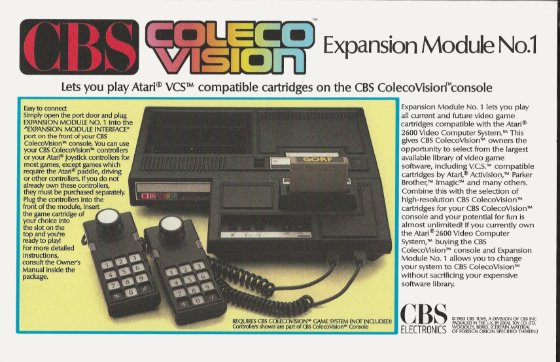
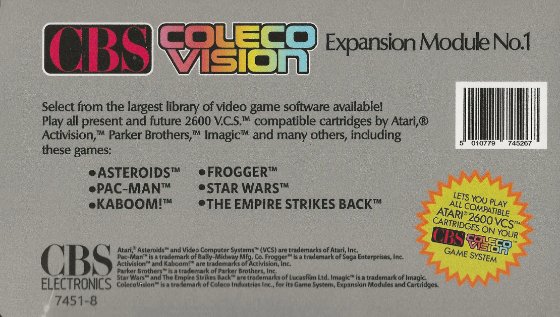
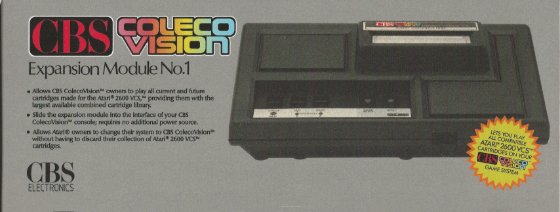
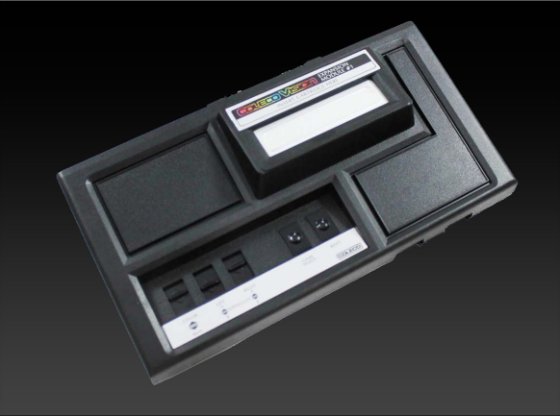
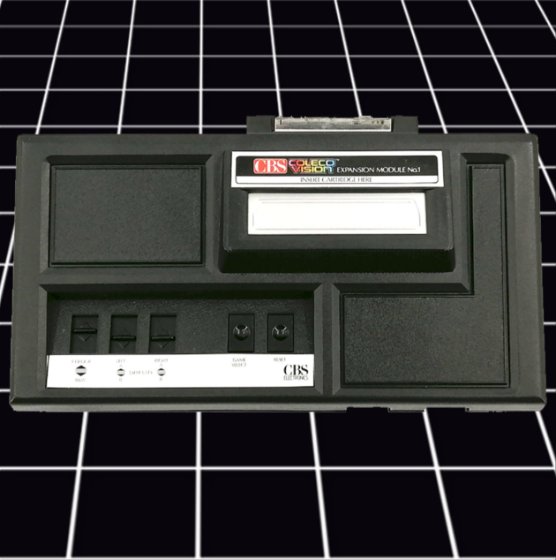
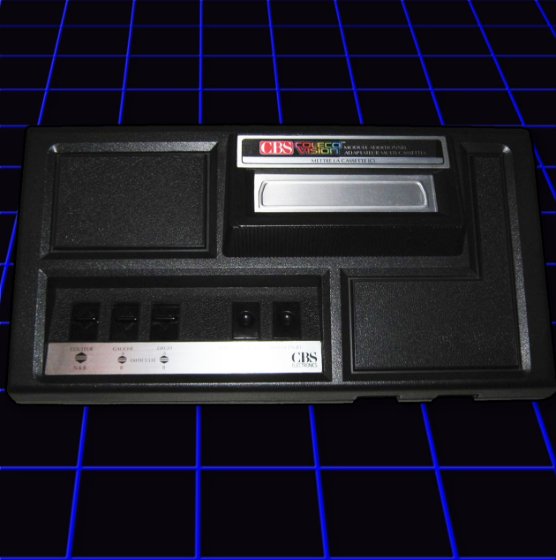
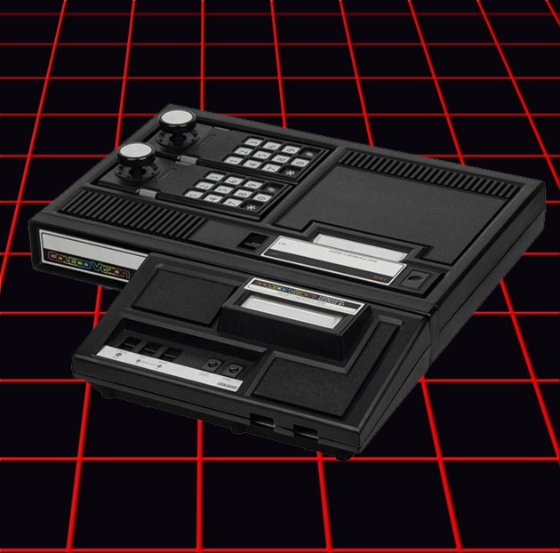
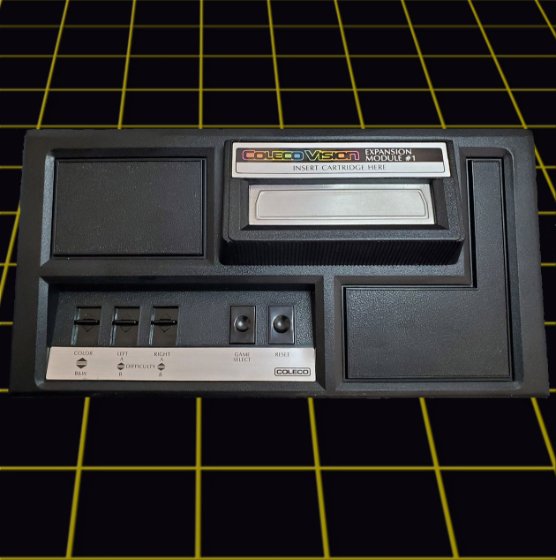
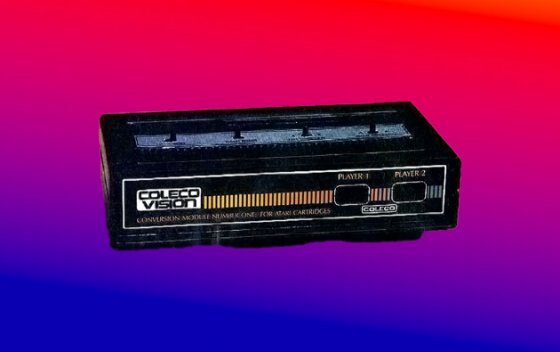
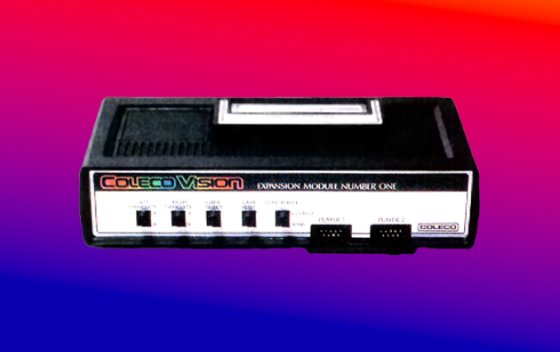
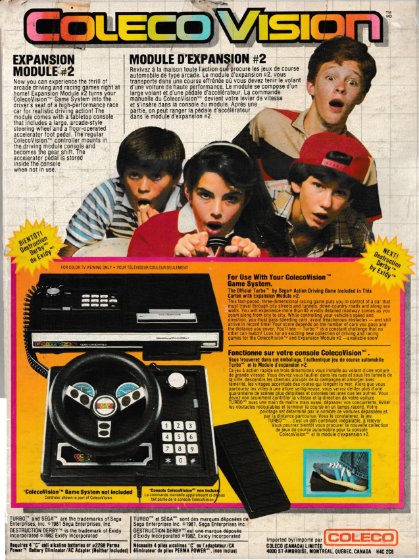
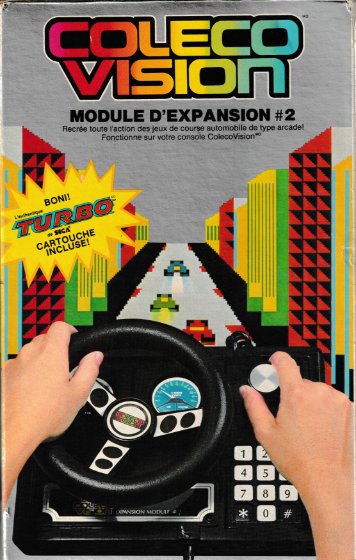
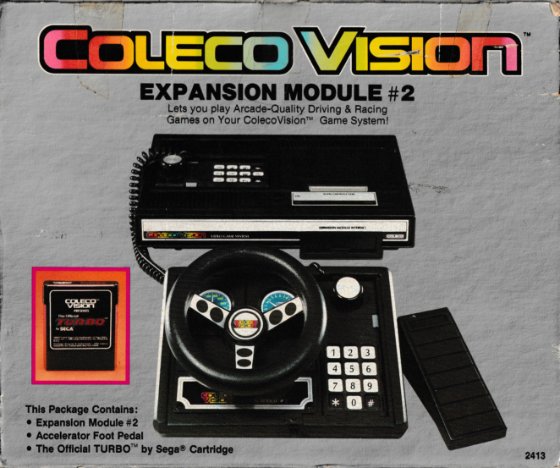
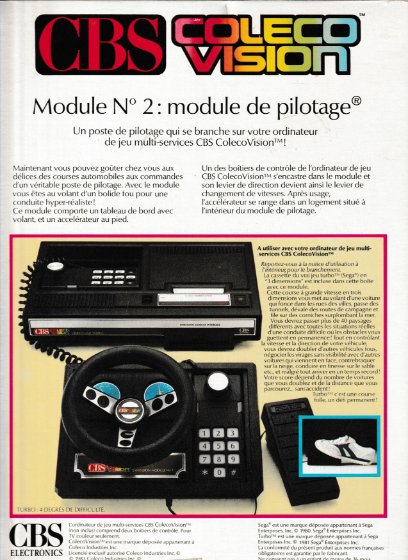
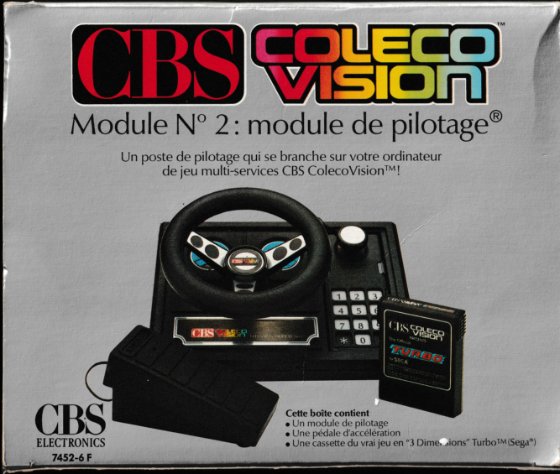
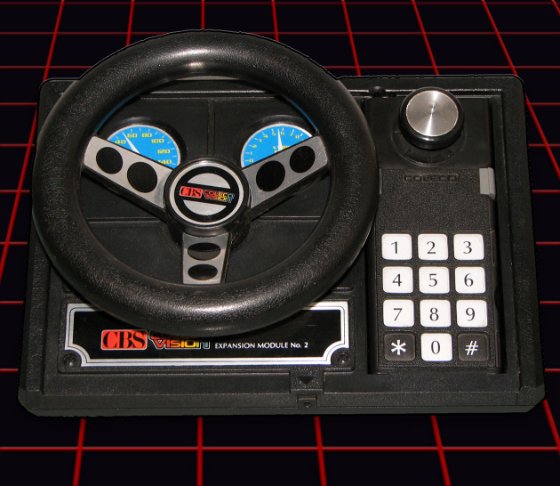
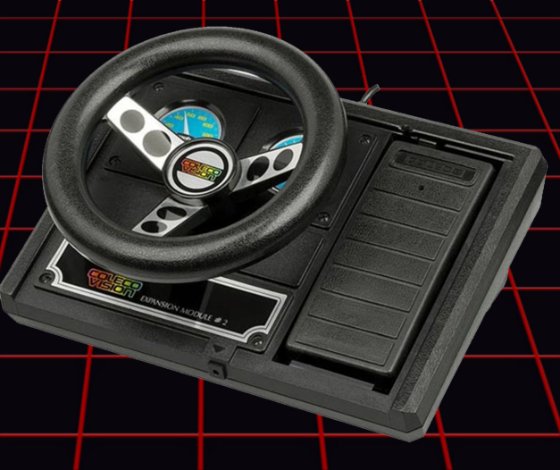
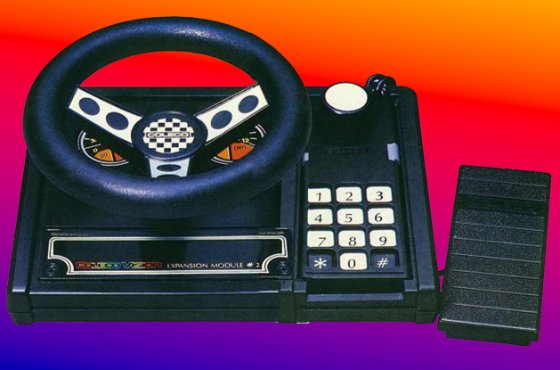
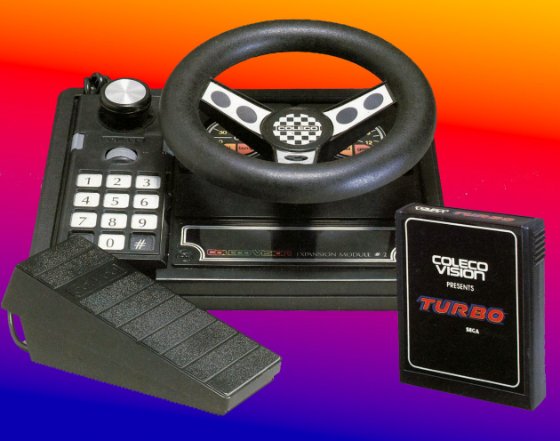
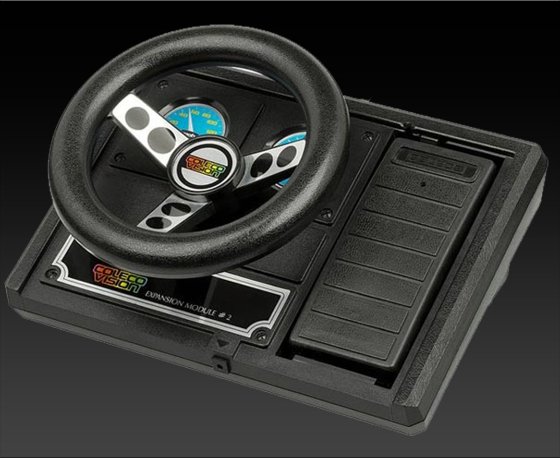
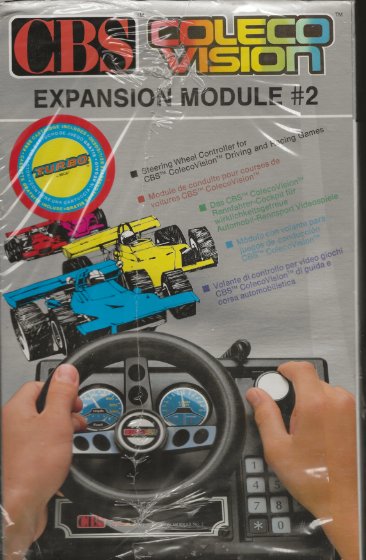
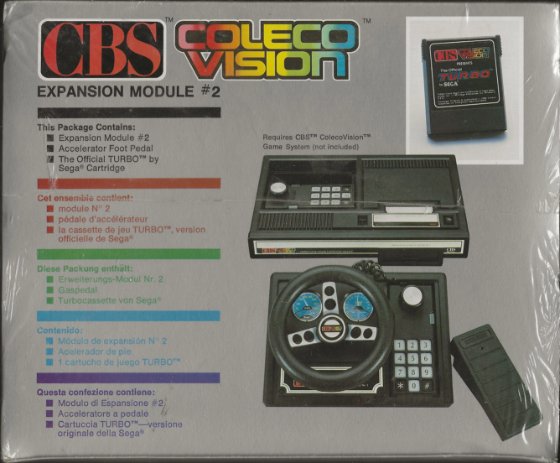
Not in this photo: the expansion port on the front edge, behind a removable cover, where Expansion Module #1 (Atari 2600 games), the driving controller module and the ADAM computer plug in.
Under the hood
| ColecoVision | Atari 2600 | Intellivision | |
|---|---|---|---|
| Processor | Zilog Z80A, about 3.58 MHz | MOS 6507, 1.19 MHz | GI CP1610, about 0.89 MHz |
| Main RAM | 1 KB | 128 bytes | 944 bytes (about 1.4 KB with graphics RAM) |
| Video RAM | 16 KB | none | 512 bytes (graphics RAM) |
| Video chip | TI TMS9928A (TMS9929A in Europe) | TIA | GI STIC |
| Resolution | 256 × 192 | 160 × 192 | 159 × 96 |
| Colors | 15 plus transparent | 128 | 16 |
| Sprites | 32 (4 per line) | 2 players, 2 missiles, 1 ball | 8 |
| Sound | TI SN76489: 3 tones + noise | TIA: 2 channels | GI AY-3-8914: 3 tones + noise |
| Cartridges | up to 32 KB | usually 2 to 4 KB in 1982 | usually 4 to 8 KB |
The ColecoVision's 1 KB of work RAM is mirrored across an 8 KB address range, which is why some references list 8 KB. An 8 KB BIOS ROM holds the start-up screen and shared routines for games.
The start-up screen. Most Coleco games and many third-party ones wait about 12.7 seconds on the "COLECOVISION" title screen before showing the game select screen, a delay built into the BIOS to show the brand. Parker Brothers, Activision and Micro Fun skipped it, at the cost of copying BIOS code into their own cartridges. CBS cut the wait to about 3.3 seconds on its European consoles.
Timeline
- Aug 1982
Launch
On sale in North America for about $175, with Donkey Kong in the box and twelve games at launch.
- Christmas 1982
500,000 sold
Stores can't keep it in stock; more than half a million consoles sold in the first holiday season.
- Early 1983
One million
Sales pass one million consoles.
- July 1983
Europe
CBS Electronics launches the CBS ColecoVision.
- Late 1983
The ADAM
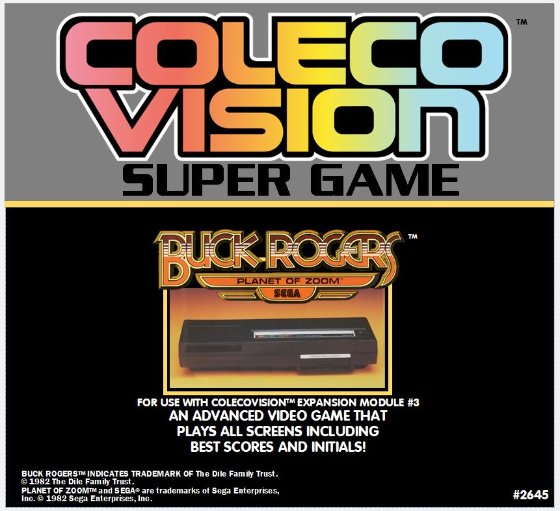
Coleco's ADAM computer, also sold as Expansion Module #3 for the ColecoVision, arrives with costly problems.
- 1983–84
The crash
The home video game market collapses.
- 1985
The end
Coleco leaves video games after more than two million ColecoVisions.
The controllers
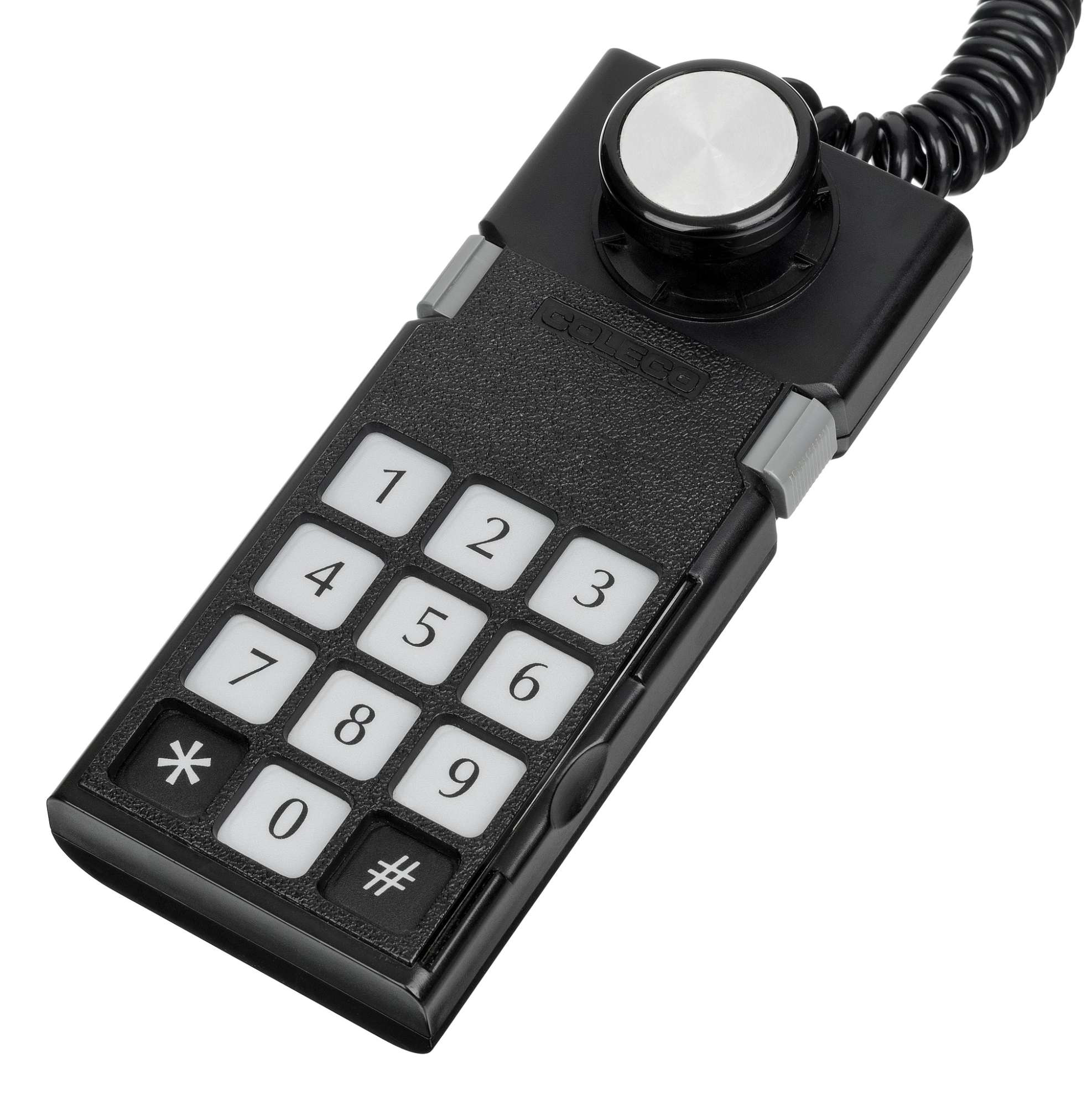
Each console came with two controllers. Like the Intellivision's, they're rectangular with a 12-key numeric keypad and fire buttons on the sides, but instead of a control disc there's a short, 1.5-inch joystick. The keypad takes thin plastic overlays that label the keys for each game.
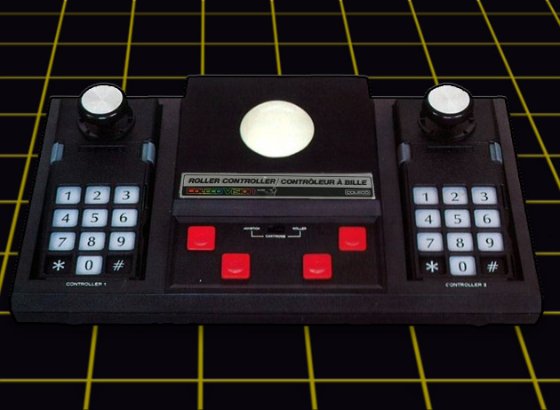
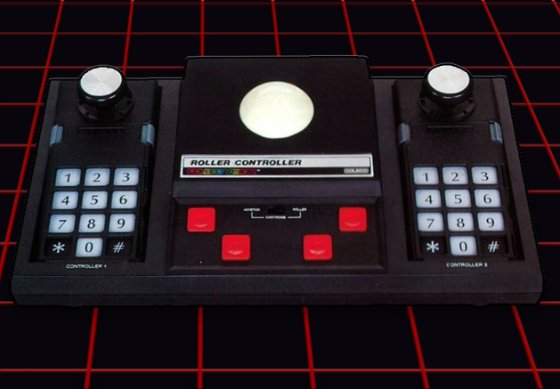
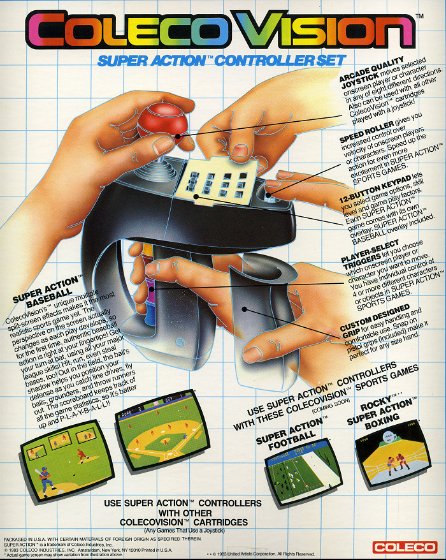
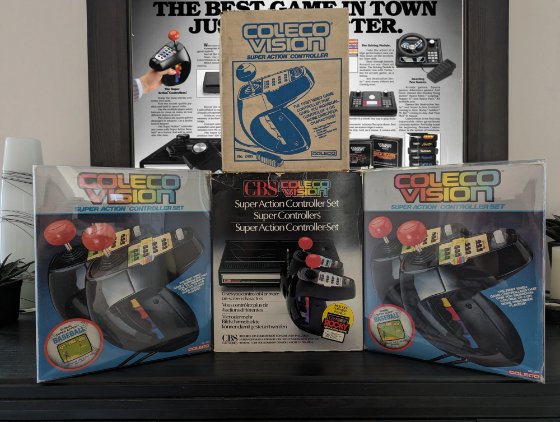
Coleco later added the Super Action Controllers and the Roller Controller. See every model on Original Controllers.
Europe: CBS ColecoVision
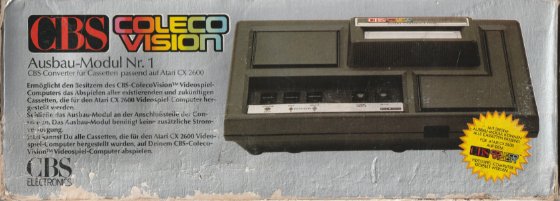
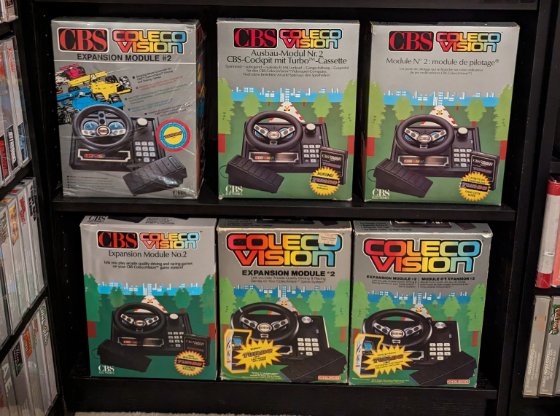
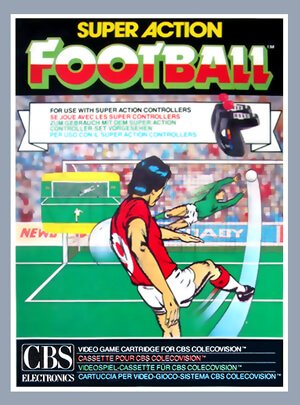
Outside North America the console was sold by CBS Electronics, launching in Europe in July 1983 as the CBS ColecoVision. These machines output PAL (or SECAM) video through the TMS9929A chip, and CBS issued its own versions of many cartridges with different box art (see Variants & International).
Manuals
 Owner's ManualModel 2400 · 1982 · 16 pages · 1.4 MB PDFOpen PDF
(read it here, page by page)
Technical ManualColeco service and technical information · 83 pages · 3.1 MB PDFOpen PDF
(read it here, page by page)
More of Coleco's own service documents are on Internal Coleco Documents.